Quick answer
Food allergy awareness means recognising the warning signs early, getting a proper medical diagnosis rather than relying on unproven home tests, and making sure the people around an allergic child — teachers, carers, teammates — know what to watch for. Custom wristbands are a simple, low-cost way schools and organisations build that visibility into an everyday routine.
Food allergies in children have become far more common over the past two decades, and awareness hasn’t always kept pace. This guide covers the warning signs worth knowing, why proper diagnosis matters more than quick home tests, and how schools and community groups use custom wristbands to keep allergy awareness visible day to day.
Why food allergy awareness matters
Food allergies are increasingly common in children, and reactions can range from mild discomfort to a severe, fast-moving emergency. Awareness isn’t just about the child affected — it’s about everyone around them knowing enough to act quickly and calmly if something goes wrong, whether that’s at school, on a sports team, or at a birthday party.
Common signs of a food allergy
Signs vary widely between individuals and reactions, which is part of why awareness matters. Common indicators include:
- Swelling of the lips, face or throat
- Hives, rash or itching skin
- Difficulty breathing or a persistent cough
- Stomach pain, nausea or vomiting
- Dizziness or a sudden drop in energy
Any of these — especially breathing difficulty or facial swelling — is a reason to seek medical help immediately rather than wait and see.
Recommended for you
Products related to this article
Hand-picked to go with what you just read.

Why a proper diagnosis matters
There's no shortage of home allergy-testing kits and alternative therapies on the market that claim to identify food sensitivities. The safest path is always a proper assessment from a GP or allergy specialist, who can use recognised clinical testing methods and interpret results in context — rather than a general at-home test that isn’t designed to distinguish a genuine, potentially serious allergy from a milder intolerance.
Getting the diagnosis right matters because the response is different: a true allergy usually calls for strict avoidance and an emergency action plan, while a food intolerance is generally about comfort and can often be managed more flexibly. Confusing the two — in either direction — carries real risk.
Allergy awareness at school and in sport
Schools, OSHC programs and sports clubs are where allergy awareness gets tested day to day — canteens, shared food at parties, team snacks. Many organisations run a short awareness campaign or wear a simple visual cue so staff and other students know to be mindful. It doesn’t need to be complicated: a consistent colour or message that everyone recognises is often enough to prompt the right question at the right moment.
How custom wristbands support allergy awareness
Custom silicone wristbands are a practical way to run an awareness day, mark out a supportive peer group, or simply give a class or team a shared, visible reminder. Handband's Custom Colour Wristbands can carry a short message or campaign name, are comfortable for all-day wear, and work well for one-off awareness days or ongoing school programs alike.
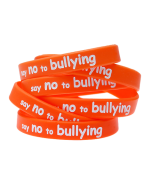
For campaigns that overlap with anti-bullying messaging — since children with visible allergies or dietary differences can sometimes face teasing — our Say No to Bullying wristband pairs naturally with an allergy-awareness day. And for a longer-lasting keepsake band with a name or short phrase debossed rather than printed, the Custom Debossed Wristband is a durable alternative.
Frequently Asked Questions
Quick answers
From the Handband team
What's the difference between a food allergy and a food intolerance?
An allergy involves the immune system and can trigger a rapid, sometimes severe reaction, including anaphylaxis. An intolerance is usually a digestive response that causes discomfort but isn't immune-related or life-threatening. Only a proper medical assessment can tell the two apart reliably.
Are home allergy test kits reliable?
Home and alternative testing methods aren't a substitute for clinical allergy testing. If you suspect a food allergy, the safest step is a GP referral to an allergy specialist for proper diagnosis.
How can schools raise allergy awareness without singling out a child?
Whole-class or whole-school awareness days work well — everyone wears the same wristband or takes part in the same activity, so no individual child is singled out while the message still reaches everyone who needs to hear it.
What should I do if a child shows signs of a severe reaction?
Call emergency services immediately if there's difficulty breathing, facial swelling or any sign of a severe reaction. Follow the child's individual emergency action plan if one exists, and don't wait to see if symptoms improve on their own.
Can custom wristbands help with allergy awareness campaigns?
Yes — a shared wristband gives an awareness day or ongoing program a simple, visible identity that's easy for kids to wear and easy for staff to recognise, without requiring any individual student's condition to be called out.
What's the minimum order for custom awareness wristbands?
Handband's custom colour wristbands are available from small bulk quantities upward, suiting a single classroom, a whole school year, or a larger community campaign.
Are allergies becoming more common in children?
Rates of diagnosed food allergy in children have risen over recent decades, which is part of why ongoing awareness in schools and community settings matters more than ever.

Written by
Founder, Handband
Founder of Handband; specialist in custom wristbands and promotional products for events, schools, charities, and brands.
← Previous
Custom Wristbands for Museum & Gallery Member Programs
Next →
Food Allergy Bullying: How Schools Can Prevent It
Comment(s)