Quick answer
Food allergy bullying happens when a child is teased, excluded or even threatened with an allergen because of their condition — and research has shown it's more common than most parents expect. It's not "just teasing": for a child with a severe allergy, exposure can be genuinely dangerous. Schools that run a clear anti-bullying message alongside allergy awareness — often using a simple, visible symbol like a wristband — see better results than either message alone.
A child managing a food allergy already has enough to think about without also facing teasing or exclusion over it. This guide covers what food allergy bullying looks like, why it matters more than typical teasing, and how schools build a culture that protects kids with allergies without singling them out.
What food allergy bullying looks like
It can take several forms: name-calling about a child's dietary restrictions, deliberately waving or offering an allergen to "test" a reaction, excluding a child from lunch tables or party food, or spreading rumours that a child is "faking" their allergy. Online and group-chat teasing is an increasingly common form too, especially among older primary and high school students.
Why it's more serious than typical teasing
For most kids, being teased is upsetting but not physically dangerous. For a child with a severe food allergy, bullying that involves the allergen itself can trigger a genuine medical emergency — not just hurt feelings. That combination of social harm and physical risk is why schools treat food allergy bullying as a safety issue, not only a behaviour one.
Recommended for you
Products related to this article
Hand-picked to go with what you just read.
Signs a child may be experiencing it
- Reluctance to eat lunch with the same group, or eating alone
- Avoiding school events involving shared food
- Anxiety specifically around mealtimes or food-related activities
- Reluctance to talk about their allergy at school, even when comfortable at home
These signs are worth a gentle conversation with the child and, if needed, the school — allergy-related bullying is often quieter and harder to spot than typical bullying.
How schools can build a protective culture
The most effective approach combines two messages that reinforce each other: general anti-bullying culture, and specific allergy awareness. A whole-class or whole-school approach works better than singling out the child with the allergy — when everyone takes part in an awareness activity or wears the same visible symbol, the message reaches the kids who need to hear it without pointing at any one student.
Using wristbands to support the message
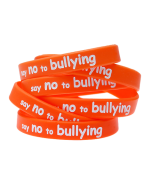
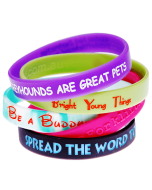
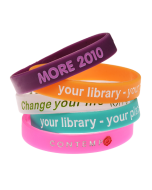
Handband's Say No to Bullying wristband gives a class or school a shared, visible way to take a stand against all forms of bullying, including the kind that targets allergies and other differences. For a broader awareness day — not specifically anti-bullying but general allergy or health awareness — Custom Colour Wristbands let a school choose its own colour and message. Both work well handed out at an assembly or worn for a themed awareness week.
Frequently Asked Questions
Quick answers
From the Handband team
Is food allergy bullying common?
Research has found that children with food allergies are teased, harassed or bullied more often than many parents expect, particularly around lunchtime and shared food events.
What should I do if my child is being bullied about their allergy?
Talk to your child, document specific incidents, and raise it with the school's anti-bullying and allergy management policies together — the two are often handled separately but work best addressed as one issue.
Why is allergy bullying more dangerous than other teasing?
Because it can involve direct exposure to the allergen itself, allergy-related bullying carries a real physical risk on top of the emotional harm typical of bullying.
How can a school raise awareness without singling out one child?
Whole-class or whole-school activities — like a shared wristband or an awareness day everyone takes part in — spread the message without pointing at any individual student.
Do anti-bullying wristbands actually help?
They work best as part of a broader program — a visible, shared symbol reinforces the message from assemblies and classroom discussions and gives students an easy way to show support.
Can wristbands be customised with a school's own anti-bullying message?
Yes — Handband's custom wristbands can carry a school name, campaign slogan or specific message alongside the standard designs.
What age groups does food allergy bullying affect most?
It's been reported across primary and high school age groups, with some research suggesting teasing becomes more frequent as children get older and social dynamics shift.

Written by
Founder, Handband
Founder of Handband; specialist in custom wristbands and promotional products for events, schools, charities, and brands.
Comment(s)