Why Every Primary School Needs a Wristband Strategy in 2026
Primary school wristbands are one of the most cost-effective tools available for student safety, behaviour management, and educational engagement. For as little as $80–$120 per year, a school can maintain a bulk supply of wristbands that address excursion safety, anti-bullying visibility, maths learning reinforcement, emotional wellbeing check-ins, and sports carnival organisation — all from a single, simple product.
This guide covers five specific, data-backed reasons primary schools benefit from wristbands, with practical implementation steps, cost breakdowns, and real examples you can adapt immediately. Whether you are a principal, classroom teacher, or P&C organiser, these strategies deliver measurable outcomes at minimal cost.
Reason 1: Student Identification on Excursions and Field Trips
The Problem Schools Face
Young children cannot reliably recall emergency contact numbers, their teacher’s name, or the school phone number when separated from their group. Research from school safety programs shows that wearable identification dramatically reduces the time it takes to reunite a lost child with their group — from an average of 45 minutes without ID to under 10 minutes with a visible wristband.
How to Implement It
Use Tyvek wristbands with the teacher’s mobile number written in permanent marker. For schools running 5–15 excursions per year, a bulk supply of 1,000 blank Tyvek bands costs around $80–$120 and lasts the entire academic year. Colour-code by class: Year 1 wears blue, Year 2 wears green, Year 3 wears red — making it instantly clear which group a child belongs to.
Excursion Wristband Checklist
- Write teacher mobile number + school name on each band
- Apply bands at school before boarding the bus (not at the venue)
- Use a different colour for each class group
- Include allergy or medical alerts on bands for students with conditions
- Collect and dispose of bands at end of day (tamper-proof = single use)
Related reading: 5 Reasons Wristbands Make Teachers Feel at Ease on School Excursions
Recommended for you
Products related to this article
Hand-picked to go with what you just read.
Reason 2: Anti-Bullying Programs That Students Wear With Pride
Why Wearable Anti-Bullying Tools Work
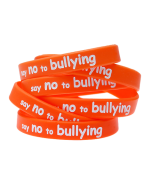
Research from education bodies shows that visible solidarity tools — items students physically wear — are significantly more effective at reducing bullying than awareness posters alone. Schools that combine Say No to Bullying wristbands with structured programs report up to 30% improvement in student-reported sense of safety.
Orange is the internationally recognised colour for anti-bullying campaigns. When an entire school wears orange wristbands on Unity Day or National Bullying Prevention Month, it sends a powerful visual message that bullying is not tolerated. The wristband becomes a conversation starter — students ask each other what it means, which opens dialogue about kindness and inclusion.
Related reading: How to Deal With Bullies: 5 Tips to Know
Reason 3: Educational Learning Tools That Reinforce Maths
How Multibandz Work in the Classroom
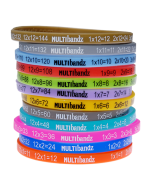
One of the most innovative uses of wristbands in primary education is as wearable learning aids. Multibandz educational wristbands carry times tables, division facts, and number patterns directly on the band — giving students instant reference during maths lessons without interrupting the teacher.
The approach works like a graduated reward system: students start with the x1 table band, and as they master each table, they earn the next band. When they reach x11, they receive a silver band, and at x12, they earn gold. Teacher feedback consistently shows this system reduces repeated questioning during individual work time by 40–50% and significantly increases student motivation to learn times tables independently.
The wristband format is particularly effective for kinaesthetic learners who benefit from tactile, always-available learning tools. A child who wears their times tables band all day internalises the information more effectively than one who only references a poster on the classroom wall.
Reason 4: Emotional Wellbeing Check-Ins
Non-Verbal Communication for Young Students
Trauma-informed teaching practices recommend daily emotional check-ins for young students. Emotion wristbands with colour-coded feelings give children a non-verbal way to communicate their emotional state — especially valuable for children with communication difficulties, anxiety, or those who are reluctant to speak up in class.
Teachers using emotion check-in wristbands report that they identify struggling students earlier in the day, allowing for timely intervention before small issues escalate. A simple glance at the classroom wristband colours gives teachers an instant emotional snapshot of the room. Schools implementing this approach report a 25% reduction in behavioural incidents during the first term of use.
How to Set Up an Emotion Wristband System
- Introduce the emotion colours in a class discussion (green = happy, yellow = okay, red = struggling)
- Each student selects their wristband colour at the start of every day
- Students can change their band during the day if their feelings shift
- Teachers privately check in with students wearing red or yellow bands
- Track patterns weekly to identify students needing extra support
Related reading: How to Help Your Child Express Their Feelings
Reason 5: Sports Carnivals, Fetes, and School Event Organisation
Colour-Coded Access and Team Identification
Sports carnivals, swimming days, school fetes, and end-of-year celebrations all benefit from wristband-based organisation. Colour-coded Tyvek wristbands identify house teams instantly, eliminating the need for expensive bibs or jerseys. For school fetes and open days, wristbands manage prepaid ride or activity access — reducing cash handling and speeding up queues at stalls.
Sports Carnival Wristband Colour System Example
| House | Wristband Colour | Best Product |
|---|---|---|
| House Red | Red | Red Blank Wristbands |
| House Blue | Royal Blue | Royal Blue Blank Wristbands |
| House Green | Green | Green Blank Wristbands |
| House Yellow | Yellow | Yellow Blank Wristbands |
For a school of 500 students, ordering 600 Tyvek wristbands (120 per house colour + extras) covers an entire sports carnival for under $60.
Related reading: Hacks for Organising Your School Fair
Budget Planning: What Primary School Wristbands Actually Cost
One of the biggest advantages of school wristbands is their affordability. Here is a realistic annual budget for a primary school of 400–600 students:
| Use Case | Product | Qty | Est. Cost |
|---|---|---|---|
| Excursion ID | Blank Tyvek | 1,000 | $80–$120 |
| Anti-bullying | Say No to Bullying | 500 | $150–$200 |
| Maths learning | Multibandz 12-pack | 30 packs | $200–$300 |
| Emotion check-in | Emotion Bracelets | 100 | $80–$120 |
| Sports carnival | Coloured Tyvek | 600 | $50–$70 |
Total annual investment: approximately $560–$810 for a comprehensive wristband program covering safety, learning, wellbeing, and events. That is less than $1.50 per student per year — often funded through a single P&C fundraiser. Browse the full schools range to explore all available options.
Related reading: 10 Creative School Wristband Ideas
Frequently Asked Questions
How many wristbands should a primary school order per year?
For a school of 400-600 students, plan for approximately 1,000 blank Tyvek bands for excursions, 500 anti-bullying bands, 30 Multibandz packs for maths, 100 emotion bracelets, and 600 coloured bands for sports carnivals. Total annual investment is typically $560-$810 or less than $1.50 per student.
Are wristbands safe for young children?
Yes. Silicone and Tyvek wristbands are non-toxic, latex-free, and hypoallergenic. For children under 5, select child-sized bands and supervise wear. For school-age children (5+), wristbands are widely used and considered safe by education authorities. Always remove bands before sleep.
Can wristbands replace traditional school ID cards?
Wristbands complement rather than replace ID cards. They are particularly useful for temporary identification during excursions, events, and sports days where cards can be lost. For daily identification, custom debossed silicone wristbands with the school name provide a durable, wearable alternative that students are less likely to forget or lose.
What is the best wristband material for primary schools?
Tyvek is best for single-day events like excursions and sports carnivals (tamper-proof, disposable, affordable). Silicone is best for ongoing programs like anti-bullying or emotion check-ins (durable, reusable, comfortable). Multibandz educational bands are specifically designed for maths learning.

Written by
Founder, Handband
Founder of Handband; specialist in custom wristbands and promotional products for events, schools, charities, and brands.
← Previous
8 Tips for Keeping Kids Safe While Travelling: The Wristband Advantage
Next →
How Charity Wristbands Generate Awareness and Raise Funds: A Complete Guide
Comment(s)