Margaret Hussmann was 15, 5'11" and an athlete when the news came that her cancer could not be controlled any more. The El Paso teen smiled, asked for a henna tattoo, and started writing a list: bake cookies with her mother, ride in a helicopter, go to New York. The list became her timeline. This is what tribute wristbands are for — not just for the families left behind, but for the teen themselves while there is still time. This 2026 Australian guide covers everything we’ve learnt since 2008 about producing tribute and comfort wristbands for teens with terminal or serious cancer: when to commission, what to put on them, how to design them sensitively, and how to handle the conversation with a family in crisis.
Why a Wristband Helps a Teen Facing Terminal Cancer
A tribute band does three things a card or a flower arrangement can’t:
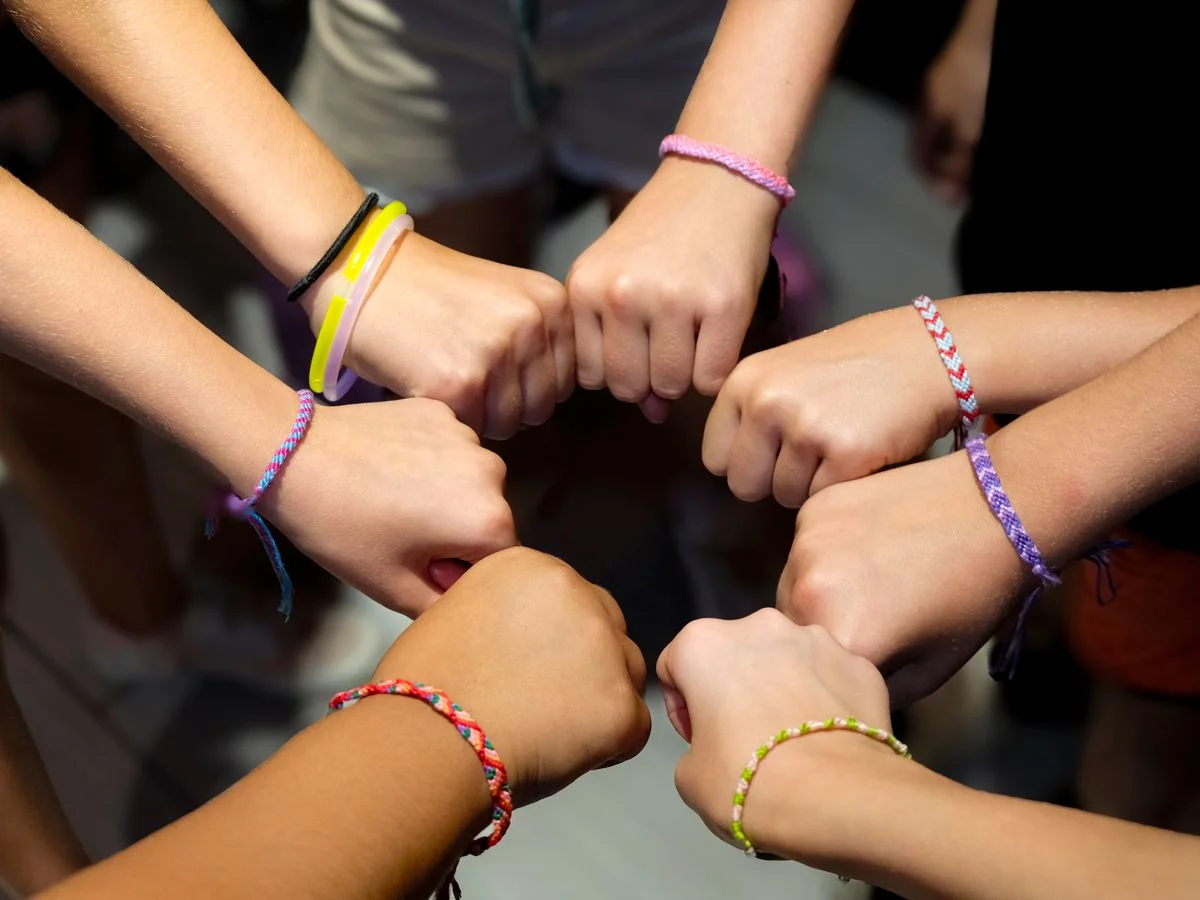
- It travels with the teen. A wristband on the wrist is visible at every visit, every meal, every car ride. It says “I am still me” even when the body is changing fast.
- It connects the circle. Family, friends and classmates wearing the same band carry the teen with them. The band is an answer to “what can I do?”
- It outlasts the diagnosis. Long after the funeral, friends still wear it. Margaret’s “fun list” ended when she did; the band lasts.
For teens who are well enough to participate, designing their own band is also one more agency-restoring moment — a small but meaningful decision in a season when most decisions have been taken away from them.
Margaret’s Story — A Quick Recap
Margaret Hussmann was a tall, smart, freckle-faced 15-year-old when doctors told her the cancer in her lung and hip could no longer be controlled. She didn’t fold. She gathered her family in the lounge room, made a “fun list” on paper — henna tattoos, helicopter rides, baking with her mum, going to New York — and her family started ticking them off, fast. Some items had to be crossed off because there wasn’t enough time. The point isn’t Margaret’s list. The point is that families who do this well share three things: they ask the teen what they want, they move quickly, and they bring the wider circle in. A tribute wristband is one way a wider circle says “we are in.”
Recommended for you
Products related to this article
Hand-picked to go with what you just read.
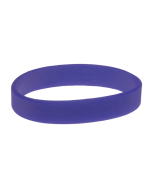
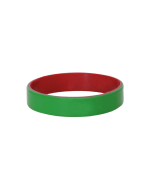
When to Commission a Tribute Wristband
There’s no perfect moment, but there are three windows that work:
- Diagnosis + acceptance (weeks 4–12 post-diagnosis). The family has processed the trajectory but the teen is still well enough to take part in the design. This is the highest-value window.
- Bucket-list / wish-list phase. Bands made during the wish-list phase function as “tickets” for each item. Family and friends wear them to the events.
- Memorial (post-passing). Bands made after death are still meaningful but lose the teen’s own input. Use a phrase they actually said; quote a parent or sibling if you can’t.
How to Approach the Family
Three rules from experience:
- Offer, don’t announce. “I’d be happy to organise a wristband drive if it would help — I can manage all the logistics. Say the word.”
- Remove the burden, not the decision. The family decides slogan, colour, who gets one. You handle ordering, payment, distribution.
- Respect a no. Some families want to grieve privately. A no isn’t a rejection of you — it’s self-protection. Don’t push.
Sensitive Slogan Choices
Avoid:
- Medical jargon (no diagnoses on the band).
- “Lost battle” framing — reads as defeatist.
- Long quotes — they don’t wrap legibly on a 12 mm band.
- Anything the teen wouldn’t say themselves.
Prefer:
- A first name + single descriptor (“Brave Maggie”).
- A phrase the teen uses (“Live the List”).
- A relationship (“Forever Sister”, “Always Our Boy”).
- A date span (e.g. “Mia 2011–2026” for memorial use after passing).
Choosing a Colour
Two valid approaches:
| Approach | When it works |
|---|---|
| Cancer-specific awareness colour (grey, gold, purple, etc.) | When the band also funds research or charity. Connects to a wider community. |
| Teen’s personal favourite colour | When the band is for family + close friends. Reads as “them” not “the disease”. |
Some families do both — a personal-colour band for the immediate circle and an awareness-colour band for the wider drive.
Cancer Awareness Colours for Teen Patients
| Cancer | Colour |
|---|---|
| Paediatric / childhood | Gold |
| Brain cancer | Grey |
| Bone cancer / osteosarcoma | Yellow |
| Leukaemia | Orange |
| Hodgkin lymphoma | Violet / purple |
| Non-Hodgkin lymphoma | Lime green |
| Sarcoma (general) | Yellow |
| Lung | White or pearl |
| Pancreatic | Purple |
How Many Bands to Order
- Family + close friends only: 20–50.
- Add school + classmates: +100–300.
- Wider community drive (workplace + club + church): +200–500.
- Memorial bands for a public service: Match the expected attendance + 20 %.
Talk to the family about how wide they want the circle. Don’t over-order — unworn bands sit in cupboards and the family doesn’t want that.
Design Layout Tips
- Front-facing side — the name or short slogan.
- Inside — date, charity, or one sentence the teen wants the wearer to remember.
- Font: a clean sans-serif at maximum-readable size. Margaret’s name is more powerful in 16-point clean type than in flourishy script at 8-point.
- Spacing: let the wristband breathe. Centre-aligned, single line, single colour for legibility.
- Width: 12 mm is the most flexible. 6 mm skinny suits smaller wrists; 25 mm PHAT works for older teens.
Pricing & Timeline (2026 Australia)
| Quantity | Custom debossed (each) | Stock blank (each) |
|---|---|---|
| 100 units | from $1.65 | from $0.95 |
| 300 units | from $1.25 | from $0.85 |
| 500 units | from $1.05 | from $0.75 |
| 2,000 units | from $0.79 | from $0.55 |
Timeline: 7–10 working days from artwork approval for custom debossed; 1–2 working days dispatch for stock blanks. If your timeline is tight, contact us before ordering — we have run overnight turnarounds for terminal-illness drives where every day counts.
Using the Band Alongside a Bucket-List or Make-A-Wish Plan
Three patterns we’ve seen work in Australia:
- One band per wish. Margaret’s “fun list” could have been one band per item — helicopter band, henna band, New York band — numbered 1–12. Friends who joined a wish got the matching band.
- One band for the campaign. A single design carries through every event, every photo, every social-media post.
- A “next” band. Bands distributed after the teen has passed, as part of the memorial, carrying their phrase forward. (“Live the List”, “Forever Brave”.)
Australian Tribute-Band Case Studies
Western Sydney family, 2024. 14-year-old daughter, brain-tumour diagnosis. 250 grey custom-debossed bands with her name and a short phrase she chose herself. Distributed via school, parish and netball club. Bands wore through 6 months of treatment; surviving family still wears the same band today.
Perth high school, 2025. Senior cohort organised 600 lime-green bands for a peer diagnosed with non-Hodgkin lymphoma. AUD 5 each, AUD 1,800 net to the family + AUD 800 to Canteen Australia. Lesson: split fundraising explicitly; transparency lifted sell-through.
Melbourne extended family, 2026. 80 personal-favourite-colour (royal blue) bands for a 17-year-old’s memorial service. Distributed to attendees with a small printed card explaining the design choice. Lesson: a small intimate drive is just as valid as a public one.
Common Mistakes to Avoid
- Putting the diagnosis on the band — never write “cancer” or a tumour name on the face.
- Ordering before the family has signed off on the slogan, colour and quantity.
- Pushing the family to fundraise publicly when they want privacy.
- Choosing a colour that’s already “owned” by a louder cause that month (e.g. pink in October).
- Using a script or stylised font that’s unreadable at arm’s length.
- Skipping the family review of the artwork proof. Always show before printing.
References & Further Reading
- Canteen Australia — support for 12–25 year-olds affected by cancer
- Make-A-Wish Australia — granting wishes for seriously-ill children & teens
- Starlight Children's Foundation — brightening the lives of seriously-ill kids
- Palliative Care Australia — family support & care guides
Frequently Asked Questions
When is the right time to commission a tribute wristband for a terminally-ill teen?
There’s no single right answer, but most families we’ve supplied since 2008 find that the right window is after the family has accepted the diagnosis trajectory but before the teen becomes too unwell to participate. A tribute band the teen can wear themselves — or hand to a friend — carries far more meaning than a memorial band only created after death. Talk to the teen first if they’re able; many appreciate being part of the design conversation.
What's a sensitive slogan choice?
Stick to two or three words that come from the teen themselves, or a phrase the family uses naturally. Examples we’ve produced: a first name + a single descriptor (“Brave Maggie”), a short shared phrase (“Live the List”, “Forever Sister”), or simply the date span. Avoid medical jargon or anything that could be read as “death sentence” framing — the band needs to feel like the teen’s, not the disease’s.
How many bands should a family order?
For an extended-family + close-friend circle, 50–100 is plenty. For a wider community drive (school cohort + workplace + church / club), 250–500 is the usual order. Bands you don’t hand out are tomorrow’s heartbreak — ask the family how many people they want to reach before quoting.
How long does production take?
For Handband-supplied tribute bands in Australia in 2026, custom debossed silicone runs 7–10 working days from artwork approval, plus 1–3 days express shipping. When timing is critical, mention it upfront — we’ve done overnight turnarounds for families whose timeline is shorter than the standard production cycle. Stock blanks ship within 1–2 working days.
What about colour?
Two paths: pick the cancer-specific awareness colour (grey for brain, gold for paediatric, purple for pancreatic, light blue for prostate, lime green for lymphoma, white for lung) or pick a colour the teen loves. The personal-favourite colour route reads better at memorial services and graveside; the awareness-colour route helps if the band will also fund-raise for research.
Should I bring up wristbands when a family is in crisis?
Only if you know the family well, and only with a gentle offer (“If it would help, I could organise a wristband drive — happy to do all the leg-work, just say the word”). Many families do want one but feel awkward asking. Removing the logistical burden — design, ordering, distribution — lets them say yes without taking on a task. Never assume; always offer.
Can the bands raise money for the family?
Yes — many family-run drives sell tribute bands at AUD 5–10 each, with proceeds either directly to the family for travel / medical / wish-list costs, or split between the family and a registered charity such as Make-A-Wish, Canteen or Starlight. Be transparent on every promotion about how the money is split, and follow your state’s charitable-fundraising rules if you’re collecting publicly.

Written by
Founder, Handband
Founder of Handband; specialist in custom wristbands and promotional products for events, schools, charities, and brands.
← Previous
Custom Wristbands for Awareness Walks & Marches
Next →
Custom Wristbands for Bands & Musicians as Merch
Comment(s)