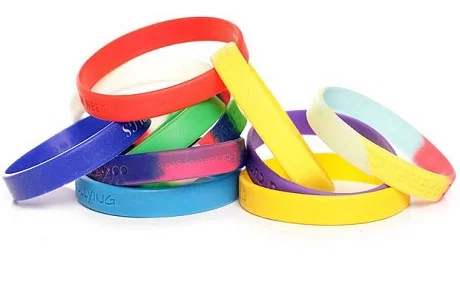
A wristband fundraiser gives a small nonprofit a low-overhead way to raise money and awareness at the same time, without the setup cost of an event or the ongoing admin of a subscription drive. A single bulk order, a clear price, and a handful of volunteers selling at markets, gates or online is usually enough to run the whole campaign.
Why wristbands suit small nonprofit budgets
Unlike printed merchandise with sizing and stock complications, a wristband comes in one size that fits nearly everyone, keeping ordering and storage simple for an organisation without a dedicated fundraising team. The upfront cost per unit is low enough that even a small nonprofit can order enough stock without a large cash outlay.
Choosing a design that represents the cause
A single colour or a simple two-colour design tied to the organisation's branding is usually enough — supporters recognise it, and it's cheap to reorder once the first batch sells. Adding a short phrase or the nonprofit's name turns the band into a walking reminder of the cause long after the fundraiser ends.
Recommended for you
Products related to this article
Hand-picked to go with what you just read.



How many to order for a first campaign
A first-time campaign often starts with a modest order, testing demand before committing to a bigger reprint. Novelty conversation-starter designs, like a bundle of message bands, can work well as a lower-cost add-on alongside the main cause-branded band.
Getting volunteers selling without a big event
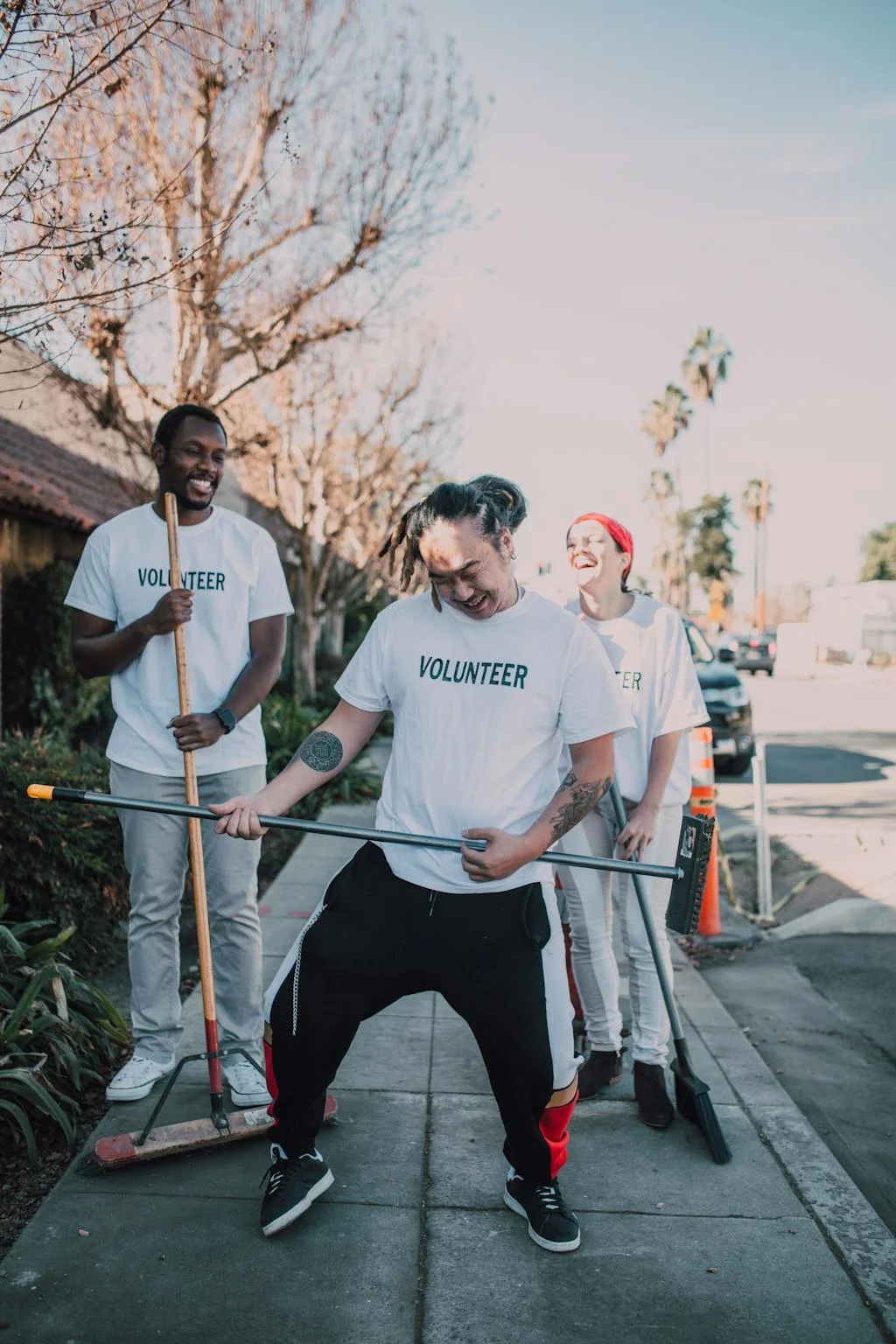
Volunteers selling at a farmers market stall, outside a supermarket with permission, or through their own social circles can move a surprising number of units without needing a formal fundraising event. A supporting message bundle gives volunteers a second product to offer buyers who want to give a bit more.
Pairing wristbands with staff or volunteer ID
Giving volunteers their own custom lanyard alongside the wristbands they're selling makes them easy for the public to identify as an official part of the campaign, which builds trust when approaching strangers to buy.
Setting a price and tracking the result
A simple $2-5 price point per band covers costs and leaves a meaningful margin for the cause without being a hard sell. Track stock ordered against stock sold so the committee has a clear, defensible total to report to the board or members once the campaign wraps up.
Frequently Asked Questions
Quick answers from the Handband team
How much should a small nonprofit charge per wristband?
$2-5 per band is a common range that covers the bulk order cost with a healthy margin while staying an easy impulse purchase for most supporters.
How many wristbands should a first campaign order?
Starting with a smaller test order and reordering once demand is proven avoids tying up cash in unsold stock for a brand-new campaign.
Do volunteers need special training to sell wristbands?
No formal training is usually needed — a short explanation of the cause and the price is enough for most volunteers to start selling confidently.
Can a wristband fundraiser run without a physical event?
Yes — volunteers selling through personal networks, at markets, or online can run an entire campaign without needing a dedicated event day.
Should volunteers wear ID while selling?
A simple lanyard or badge identifying volunteers as part of the official campaign helps build trust with buyers, especially when approaching people in public.
How do we know how much the fundraiser actually raised?
Track total units ordered against units sold at the agreed price — this gives an exact, easily reportable total without needing complex bookkeeping.

Written by
Founder, Handband
Founder of Handband; specialist in custom wristbands and promotional products for events, schools, charities, and brands.
Comment(s)