
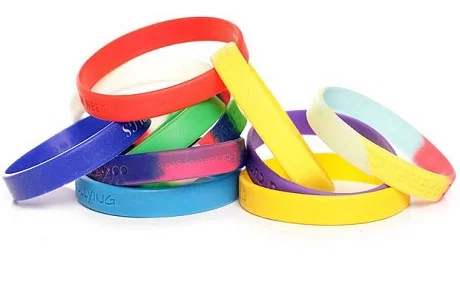
A wristband campaign works by turning a cause into something small, wearable and easy to talk about — a colleague asks about the phrase on someone's wrist, gets a 30-second explanation, and either buys one or donates. That simple loop, repeated across a workplace, school or community, is what turns a cheap physical object into a real fundraising and awareness channel.
Why a physical object outperforms a social post
A social media post about a cause is seen once and scrolled past; a wristband is seen dozens of times a day by the wearer and everyone around them, for as long as it's worn. That repeated, in-person visibility is what starts the conversations that actually lead to a donation or a purchase.
Picking a phrase people will actually ask about
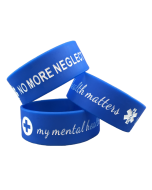
A short, specific phrase — like the mental-health message on a No More Neglect campaign sticker — gives wearers something concrete to explain, rather than a vague slogan that doesn't prompt a question. Specificity is what turns a wristband from decoration into a conversation starter.
Recommended for you
Products related to this article
Hand-picked to go with what you just read.

Matching the wristband to the campaign's reach
A workplace-wide campaign might issue a chunkier, more visible wristband so it reads clearly across a room, while a smaller community group might prefer a slimmer, cheaper option that stretches the budget across more people. The right choice depends on how many people the campaign needs to reach, not just the message itself.
Building trust with a recognisable colour or design
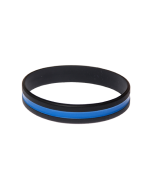
Once a cause settles on a consistent colour — like the thin blue line design used by policing-support campaigns — repeat wear across a community builds instant recognition, so new wearers don't need to explain the cause from scratch every time.
Turning conversations into donations
The wristband itself rarely raises significant money directly; its real job is prompting the question that leads to a donation link, a fundraiser page, or a workplace giving campaign. Pairing the wristband with a simple, memorable way to give — a QR code, a short URL, a payroll giving option — closes the loop the wristband opens.
Measuring whether the campaign worked
Track wristbands distributed against funds raised or awareness actions taken (event sign-ups, pledge forms, social shares) rather than judging success by the wristband alone. A campaign that hands out 200 bands and generates 50 real conversations has done its job, even if the direct sales revenue looks modest.
Frequently Asked Questions
Quick answers from the Handband team
Does a wristband raise money on its own?
Not usually directly — its real value is prompting conversations that lead people to a donation link, fundraiser page or workplace giving campaign.
What makes a cause phrase effective on a wristband?
A short, specific phrase that invites a question works better than a vague slogan — specificity is what starts the conversation that leads to engagement.
Should a workplace campaign use a different wristband to a community one?
The right choice depends on reach and budget — a wider, more visible band suits a workplace campaign that needs to be seen across a room, while a slimmer band can stretch further for a larger community distribution.
How do we measure if a cause wristband campaign worked?
Track distribution against downstream actions like donations, pledge sign-ups or event registrations, rather than judging the wristband's sales revenue alone.
Can the same wristband design be reused for future campaigns?
Yes — a consistent colour or design builds recognition over time, so reusing it across future campaigns for the same cause saves reintroducing it from scratch each time.
What's the best way to pair a wristband with a call to action?
A simple, memorable link, QR code, or payroll giving option paired with the wristband gives wearers and the people who ask about it an easy next step.

Written by
Founder, Handband
Founder of Handband; specialist in custom wristbands and promotional products for events, schools, charities, and brands.
← Previous
How Wristbands Work for Event Entry and Access Control
Next →
Handband News Roundup: Trends Shaping Custom Wristbands
Comment(s)