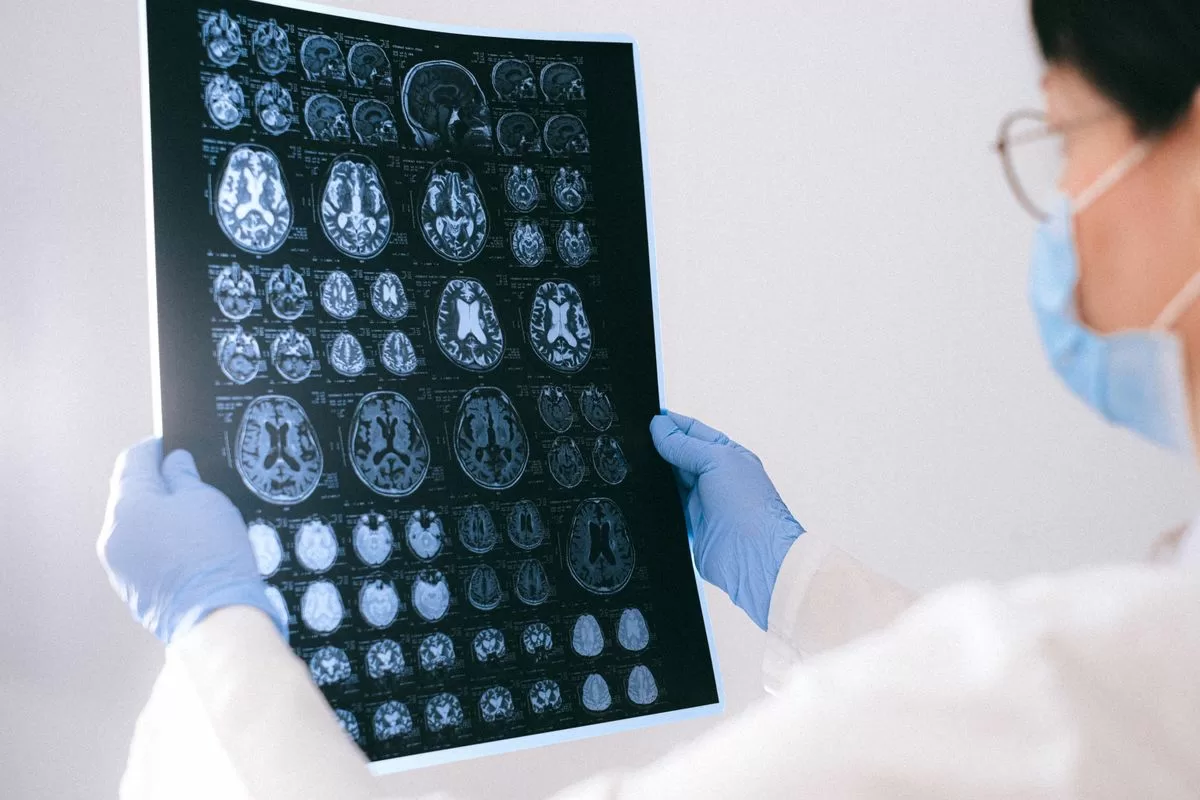

Nicky and Rich Marshall’s 10-year-old son Owen has three severe allergies — peanuts, dust mites and tree pollens — and carries EpiPens with him everywhere. At 10, he’s reaching the age where he’s on residential school trips, sleepovers, weekend sport and walks to friends’ houses on his own. Each step away from home is a tiny acceleration of independence and an equivalent acceleration of parental anxiety. For the Marshall family in York, UK, a custom-engraved silicone medical alert wristband has converted that anxiety into manageable peace of mind. Owen calls his band "cool" — the highest possible compliment from a 10-year-old. This 2026 update revisits the Marshall family’s story and walks through what every Australian + UK parent of a child with anaphylaxis, type 1 diabetes, asthma or epilepsy needs to know about visible medical ID.
Owen’s allergy triad: peanut, dust mite, tree pollen
Owen’s three primary allergies cover three of the most common paediatric triggers in the UK and Australia:
- Peanut anaphylaxis — about 1 in 50 UK children now affected (double the 2008 rate). The trigger most likely to require an EpiPen.
- Dust mite allergy — the main driver of perennial allergic rhinitis + childhood asthma exacerbation.
- Tree pollen allergy — seasonal (spring) driver of asthma + allergic rhinitis flares.
The peanut allergy is the one that requires the medical ID wristband. The dust mite + tree pollen affect daily quality of life but rarely cause emergency presentations. Owen’s wristband engraving prioritises the peanut anaphylaxis line.
The Marshall family’s journey to a Handband wristband
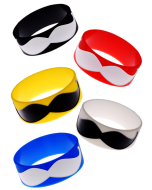
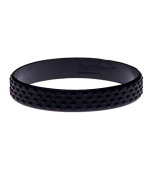
Like most parents, Nicky started with an internet search. The first results were traditional metal medical bracelets — expensive, formal, hard to size for a primary-school child. The Handband UK silicone option ticked all four boxes Owen and his parents needed:
- Sized for a 10-year-old’s wrist
- Bright colour (easy for teachers, coaches and bystanders to spot)
- Comfortable (no chain-link pinch, no shower removal)
- Cool enough for Owen to actually wear it
Rich Marshall’s quote from the original case study sums it up: “Wearing a Mediband has provided us with reassurance that if something should happen, his condition can easily be identified. From Owen’s point of view, he has much more freedom, and the bracelet is subtle enough to be ‘cool’ in Owen’s eye, which is crucial!”
Recommended for you
Products related to this article
Hand-picked to go with what you just read.
The seven situations where parents need the wristband most
For the Marshalls and thousands of similar UK + Australian families, the wristband is the difference between blanket worry and conditional peace of mind. The seven moments where it matters most:
- School excursions / residential trips — multi-day trips with rotating supervision and unfamiliar food.
- Sleepovers — another family’s kitchen, another family’s pantry, another family’s emergency plan.
- Weekend sport — coaches, opposition teams, away-game canteens.
- Birthday parties — venue catering, party-bag treats, ice-cream cakes.
- Holidays abroad — menu translation, regional food variants.
- Park / playground play — other kids’ snacks, leftover food on benches.
- Solo travel to school — walking, cycling, bus, train.
What to engrave on a child’s wristband
The Marshall template (per the ASCIA + Anaphylaxis UK action plan recommendations):
- Line 1: ANAPHYLAXIS — PEANUT
- Line 2: EpiPen Jr in school bag (or "EpiPen 0.15mg" for under-30kg)
- Line 3: Mum [mobile]
- Line 4: Dad / GP [phone]
If a child has multiple severe allergies (Owen’s peanut + dust mite + tree pollen), prioritise the anaphylactic one on Line 1. Mention secondary triggers on Line 2 if space allows.
Coaches, teachers and supervisors — what they need to know
The Marshall family briefs every coach, teacher and party host at every new activity Owen attends:
- Owen has a peanut anaphylaxis allergy.
- His EpiPen is in his bag — show the supervisor where.
- His wristband says exactly what to do.
- Mum’s mobile + Dad’s mobile are on the wristband + on a wallet card.
- If a reaction starts: EpiPen first, call 999, lay flat, don’t move the patient.
Most schools and clubs now formalise this with a written Anaphylaxis Action Plan signed by the child’s GP or paediatric immunologist.
The action plan + wristband + EpiPen trifecta
Visible medical ID is the first layer. The full anaphylaxis-management trifecta:
- EpiPen — the only first-line treatment. Two are standard (a second in the school bag).
- Wristband — the visible identifier that communicates the condition + EpiPen instructions.
- Written action plan — signed by the GP, distributed to the school, club, sleepover hosts.
Each layer compensates for the others. If a friend’s parent panics and forgets the action plan, the wristband talks. If the wristband is removed in the swimming pool, the action plan + EpiPen in the bag are still in play.
Allergy-friendly school environment checklist
For families managing childhood allergies, the school environment matters. The Marshalls’ check before each new school year:
- School has a documented Anaphylaxis Policy (UK schools required since 2014, Australian schools since 2017).
- EpiPens kept on-site (not just in the child’s bag — spares with the office nurse).
- Teachers + classroom assistants + canteen staff trained in EpiPen administration.
- Allergy-free zones at lunchtime (peanut + tree-nut excluded canteens).
- Excursion forms with explicit allergy + EpiPen confirmation.
- Annual whole-school assembly during Allergy Awareness Week (October in UK + Australia).
Owen’s view on the wristband (the 10-year-old’s test)
Children of Owen’s age are at peak self-consciousness about “looking sick” or being seen as different. The wristband’s ability to pass the “cool test” matters. Strategies that work:
- Let the child pick the colour. Boys 8-12 often choose black, blue, neon green. Girls 8-12 often choose pink, purple, teal.
- Pair with friendship bands. Multiple bands stacked together makes the medical one part of a set.
- Tie the band to an activity they love. “The wristband is what lets you go on the residential school trip.”
- Let them help with the engraving. Owen reviewed the four lines with his parents before ordering.
- Order spares. Owen has 4 bands rotating — school, sport, swim, sleepover bag.
For sleepovers and out-of-home stays
The wristband + EpiPen + action plan need to travel together. Brief the host family:
- Show them the wristband. Read it together.
- Hand over both EpiPens with expiry dates visible.
- Walk through the action plan together.
- Give them mum’s mobile + dad’s mobile + GP practice number.
- Confirm they have your address (for ambulance/emergency).
- Check the food they’re planning — ingredient labels visible.
- Agree on a check-in call time.
Allergy-aware travel for families
When the Marshall family travels:
- Owen wears his wristband + has a wallet card.
- His EpiPens go in the cabin baggage with a doctor’s letter (most airlines require).
- The action plan is photographed + cloud-stored.
- Translation of “ANAPHYLAXIS PEANUT” into the destination language goes in the wallet (e.g. “Allergie aux arachides” for France).
- Insurance pre-clears the pre-existing allergy condition.
For Australian + UK schools ordering bulk wristbands
Many UK and Australian schools now bulk-order Handband custom silicone wristbands as part of the annual term 1 health-and-safety induction — engraved with school name + nurse’s number on the back. Allergy-condition wristbands are individually engraved per child by the parent.
What the Marshall family wishes they’d known earlier
Three lessons Nicky and Rich shared:
- Order spares from day one. The single band always ends up in the wash on the day Owen has a school trip.
- Update the engraving every 12 months. Mobile numbers change, EpiPen doses change as the child grows, secondary allergies develop.
- Use the wristband as a teaching moment. Owen now knows his own EpiPen technique, his own action plan, his own emergency numbers — not just because his parents do.
Frequently asked questions
What should be engraved on my child’s allergy wristband?
Line 1: ANAPHYLAXIS + allergen. Line 2: EpiPen dose + where it’s kept. Line 3: Mum mobile. Line 4: Dad / GP phone. If multiple allergies, prioritise the anaphylactic one on Line 1.
At what age should a child start wearing a medical wristband?
From diagnosis — even infants. Bands sized for toddlers (≥2 years) and older. For under-2, use a wristband on the parent’s wrist or a clearly-visible necklace on the child.
How do I get my child to actually wear it?
Let them pick the colour. Pair with friendship bands. Tie it to a privilege they want (residential trips, sleepovers, sports). Order spares so they never need to choose between a wash-day and the band.
Can teachers really administer EpiPens?
Yes — in the UK + Australia, schools that enrol a child with anaphylaxis must train at least 2 staff in EpiPen administration. The wristband helps the trained adult identify the right action fast.
What if my child has multiple allergies?
Engrave the anaphylactic one on Line 1 in capital letters (ANAPHYLAXIS PEANUT). Mention secondaries on Line 2 if space allows (also: tree nuts + sesame). Some families order 2 bands — one bright-red anaphylactic + one secondary.
How often should the engraving be updated?
Every 12 to 18 months. Mobile numbers change, EpiPen doses change as the child grows (Jr 0.15mg under 30kg, Adult 0.3mg over 30kg), and secondary allergies can develop.
What if the wristband gets lost on a school trip?
That’s why families order spares (typically 4 to 6). Owen has 4 bands rotating. The wallet card + phone Medical ID feature are backup layers. The school’s allergy register holds the same info on file.
References
- Anaphylaxis UK anaphylaxis.org.uk
- Allergy & Anaphylaxis Australia allergyfacts.org.au
- ASCIA Anaphylaxis Action Plan allergy.org.au
- NHS nhs.uk
- UK Department of Education — Supporting pupils at school with medical conditions
- Australian National Allergy Strategy
- British Heart Foundation bhf.org.uk

Written by
Founder, Handband
Founder of Handband; specialist in custom wristbands and promotional products for events, schools, charities, and brands.
← Previous
Halloween Nut Allergies - 2026 UK + AU Family Safety Guide
Next →
Silicone Wristbands for Schools and Colleges: Personalised Bands for Events and Campaigns
Comment(s)