Livestrong Bracelet History: Should You Still Wear One in 2026?
By Handband Community Team · Handband
Updated 4 May 2026 · 12 min read
Updated 4 May 2026 · 12 min read
Updated May 2026. The Livestrong bracelet — that yellow silicone band on so many wrists since 2004 — is one of the most successful fundraising products ever created. Over 87 million sold, raising $500 million for cancer survivors. It also single-handedly invented the modern awareness-wristband category that's since spread to nearly every cause from breast cancer to mental health.
But the bracelet's journey hasn't been straightforward. The 2012 Lance Armstrong doping scandal complicated the band's meaning. This guide covers the full history, what wearing a Livestrong band means today, and how silicone awareness wristbands continue to raise money for causes globally.
The Livestrong Bracelet: Origin Story
Launched May 2004
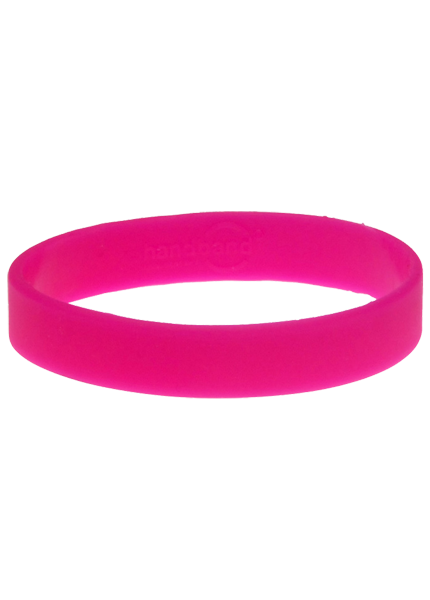
The Lance Armstrong Foundation (later Livestrong Foundation) launched the yellow silicone band in May 2004, retailing for $1 per band. The original goal was modest — raise around $5 million by selling 5 million bands ahead of that year's Tour de France.
The phenomenon
Within 6 months, the foundation had sold over 50 million bands. Within 2 years, more than 80 million globally. Almost every athlete, celebrity and major political figure wore one. President George W. Bush wore one. Oprah wore one. The yellow band became a cultural phenomenon.
Why it worked
- $1 price point — impulse-purchase threshold
- Bright yellow colour — visible from across a room
- Daily-wear silicone — lasted for years, kept the campaign visible
- Universal cause — cancer affects every family
- Celebrity adoption — visible on TV every day
Total Impact Numbers
- 87 million+ Livestrong bands sold globally (2004-2024)
- $500 million+ raised for cancer support
- 2.7 million cancer survivors and supporters served by Livestrong Foundation programs
- Inspired the modern awareness-wristband category (now a multi-billion dollar global market)
The 2012 Doping Scandal & What Came After
The USADA report
In October 2012, the United States Anti-Doping Agency released a comprehensive report concluding Lance Armstrong had used performance-enhancing drugs throughout his cycling career. Armstrong was stripped of his 7 Tour de France titles.
Armstrong's confession
In January 2013, Armstrong confessed to the doping in a televised interview with Oprah Winfrey. The Livestrong Foundation had separated from Armstrong personally in October 2012, but public perception linked the two inseparably.
Sales impact
Livestrong band sales dropped approximately 85 percent in the 18 months following the scandal. Foundation revenue fell from $48 million in 2010 to $14 million by 2017.
What survived
The Livestrong Foundation continues operating at a reduced scale, providing free cancer support services. The yellow band's symbolic meaning has shifted — from celebrating Lance Armstrong personally to representing cancer survivorship more broadly. Many wearers kept their bands as personal mementos of their own or family members' cancer journeys, separate from any individual association.
Cause Awareness Wristbands
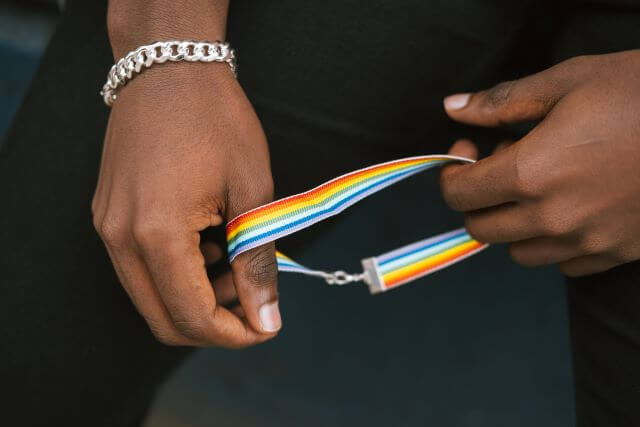
Yellow for cancer survivors, pink for breast cancer, purple for mental health — pick the colour, print your campaign.



Should You Still Wear a Livestrong Bracelet Today?
If it's your personal memento
If the band represents your own cancer journey, a loved one's diagnosis or a meaningful period of your life — keep wearing it. The personal meaning is what matters, not the foundation's public profile.
If you want to support active cancer programs
Consider switching to a foundation-specific band (Cancer Council Australia's pink ribbon, Movember moustache merchandise, Tour de Cure yellow). New campaigns continue to use the silicone wristband format and direct funds to active charities.
If you want to start something new
Many of the most successful charity campaigns since Livestrong are run as standalone projects. Order custom debossed wristbands with your campaign name, set up a fundraising page (GoFundMe, Mycause, JustGiving), and sell bands at $5-$10 each.
Other Major Awareness Wristband Campaigns
Cancer Council Australia — Pink and Yellow
Australia's Biggest Morning Tea (May annually) uses pink-themed wristbands. Daffodil Day (August) uses yellow. Both raise funds for cancer research, prevention and support services. See our Biggest Morning Tea planning guide for details.
McGrath Foundation — Pink Test
Pink-themed merchandise (caps, hats, wristbands) sold during the annual Pink Test cricket match in Sydney. Raises funds for McGrath Breast Care Nurses.
Beyond Blue / Movember — Mental health
Blue (Beyond Blue) and moustache-themed wristbands during Movember (November). Raise funds for men's mental health and suicide prevention.
RUOK Day — Yellow
Yellow R U OK? branded wristbands distributed during workplace events in September. Promotes mental health conversations.
World Suicide Prevention Day — Yellow
September 10 annually. Yellow ribbons and wristbands raise awareness and signal connection to anyone struggling.
Designing Your Own Cause-Awareness Wristband
Pick the cause-colour
If your cause has an established awareness colour, use it. People recognise pink for breast cancer, purple for mental health, yellow for general cancer survivorship instantly. New causes can pick a memorable colour that hasn't been claimed.
Choose the message
Most awareness bands feature: cause name + foundation name + optional hashtag. Examples: BEAT CANCER #LIVESTRONG, MOVEMBER #MOVEMBER, HOPE BLOOMS. Keep under 35 characters for readability.
Decide on band style
- Custom Debossed — classic Livestrong-style band, lowest cost per unit ($1.20-$3.00)
- Ink-fill Debossed — coloured text inside recessed design, maximum contrast
- Multi-colour swirl — for causes with multiple awareness colours
- Dual-layer laser — two-tone bands for premium campaigns
Order quantity
Start with 100-500 bands for first-year campaigns. Order 1,000+ once you confirm demand. Volume discounts at 100, 500, 1,000, 5,000 and 10,000 units. Each band sold at $5-$10 yields 70-85 percent margin to your cause.
How Cause Wristbands Drive Fundraising Results
Tangible mediuim — not just a donation
A wristband is a physical takeaway. Donors who get something tangible give 30-40 percent more on average than donors asked for cash donations (Cygnus Applied Research). The wristband justifies the gift in the donor's mind.
Ongoing visibility
Cash donations disappear into the foundation. A wristband stays visible on the donor's wrist for months or years. Every time they wear it, friends notice, ask about it, and the message spreads.
Peer-pressure effect
Once 5-10 people in a workplace or social group wear the band, others notice and want one. Wristband campaigns naturally spread through social networks — a key reason Livestrong scaled so rapidly.
Multi-year revenue
Cash donations are one-time. Wristband campaigns can be re-run annually with updated colours, designs or anniversary editions. Many causes now sell different colour bands each year to maintain ongoing engagement.
The Future of Awareness Wristbands
Sustainability matters
Younger donors expect environmentally-conscious options. Bamboo fabric wristbands, RPET (recycled PET) bands and biodegradable alternatives are growing categories. See our eco-friendly wristbands guide for sustainable options.
Digital + physical hybrid
Some campaigns now pair a wristband with a QR code linking to a donor profile, video story or live counter. The wristband becomes a digital portal to deeper engagement.
Personalised cause bands
Memorial bands engraved with a loved one's name, custom dates, or anniversary years let donors personalise their commitment. Drives higher giving levels (often $20-$50 per band) than generic awareness bands.
Related Reading
- Wristband Colour Meanings: Mental Health, Cancer & 30+ Cause Colours
- Host Australia's Biggest Morning Tea: Complete 2026 Guide
- Are Wristbands Eco-Friendly? Sustainable Materials Guide
- Shop custom silicone wristbands
References & Further Reading
- Livestrong Foundation Annual Report (2024) — Cancer Survivor Support Services Overview.
- United States Anti-Doping Agency (2012) — Reasoned Decision on the United States Postal Service Pro-Cycling Team Doping Conspiracy.
- Cygnus Applied Research — The Donor Loyalty Study: Tangible Gifts and Donation Levels.
- Cancer Council Australia — Annual Impact Report.
- Movember Foundation — Annual Report on Men's Mental Health Programs.
- Gladwell, M. (2000) — The Tipping Point. Little, Brown & Company.
Frequently Asked Questions
Quick answers from the Handband team
What is the Livestrong bracelet?
The Livestrong bracelet is a yellow silicone wristband launched in 2004 by the Lance Armstrong Foundation (now Livestrong Foundation) to raise money and awareness for cancer support. At $1 per band, it became one of the most successful awareness products of the 21st century — over 87 million sold globally, raising $500+ million for cancer support services.
Why is the Livestrong band yellow?
Yellow was chosen because it was the colour of the leader's jersey in the Tour de France, which Lance Armstrong won 7 times (titles later stripped). Yellow also symbolises hope, optimism and survivorship in cancer awareness contexts. The colour now persists across many cancer-survivor and resilience campaigns globally.
Did the Livestrong bracelet survive the Lance Armstrong doping scandal?
Partially. After Armstrong's 2012 USADA report and 2013 confession on Oprah, sales dropped 85 percent in 18 months. The Livestrong Foundation (which separated from Armstrong personally in 2012) continued operating with reduced revenue but maintained its cancer support services. Today the foundation runs at a smaller scale, but the yellow band's symbolic meaning has evolved beyond Armstrong to represent cancer survivorship broadly.
Should I still wear my Livestrong bracelet today?
The wristband's meaning has shifted from celebrating Armstrong personally to symbolising cancer survivorship and support generally. Many wearers keep them as personal mementos of their own or a loved one's cancer journey. Others have replaced them with newer cause-specific bands (foundation-specific colours, foundation-named bands). Either is fine — the band represents what it means to you.
What other coloured awareness wristbands are popular?
Pink (breast cancer), yellow (cancer in general, also suicide prevention), purple (lupus, fibromyalgia, Alzheimer's), green (mental health), red (HIV/AIDS, heart disease), orange (anti-bullying), gold (childhood cancer), white (lung cancer, victims of violence), teal (ovarian cancer), grey (brain cancer), navy (colon cancer). See our full colour guide for the complete list.
How much do custom awareness wristbands cost?
Custom debossed silicone awareness bands cost $1.20-$3.00 per band depending on volume (1,000+ units bring it down to $1.20). Adding ink-fill colour is $0.20-$0.40 per colour. Most foundations sell bands for $5-$10, yielding 70-85 percent margin to support program work. See our cancer fundraiser planning guides for full design options.
How did Livestrong change cause-fundraising forever?
Before 2004, charity wristbands didn't exist as a category. Livestrong's $1 yellow band proved that low-cost wearable awareness products could raise hundreds of millions while creating multi-year brand visibility. Every awareness wristband since (pink for breast cancer, yellow for childhood cancer, purple for mental health) follows the model Livestrong created — small physical item, big symbolic meaning.
22 Oct 2012

Written by
Founder, Handband
Michael founded Handband to give event organisers, charities, sports clubs, and brand teams a simpler way to source custom wristbands and promotional products. The team has supplied wristbands to festivals, schools, fundraisers, and corporate activations world-wide.

Share on Facebook

Share on X

Share on Pinterest
Comment(s)
Related posts