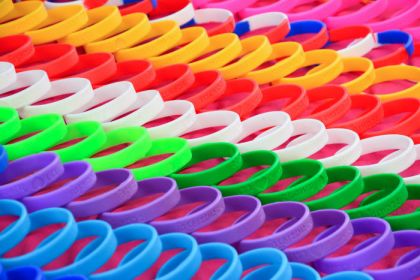
Chances are you have at least one Handband wristband somewhere — in a drawer, on a desk, on your wrist right now. They’re one of the most versatile branded products on the market, with the same single design covering an extraordinary range of use cases at a per-unit cost that almost any organisation can afford.
So how do people actually use them? Below is a tour of the most common use cases, with notes on the right product variant and quantity for each.
Charity & Cause Awareness
The classic use case — popularised by the yellow Livestrong band — remains the workhorse. Charities sell branded wristbands as donor thank-yous, awareness tokens and ongoing visibility for the cause. The economics work: a $1 wristband sold for $5 funds the charity and rewards the donor with months of visible support.
Schools
House teams, sports days, anti-bullying campaigns, fundraising drives, end-of-year keepsakes, learning aids like Multibandz times-tables wristbands. Per-unit costs at school volumes (100–500 units) drop into the cents range — cheap enough to give one to every student.
Recommended for you
Products related to this article
Hand-picked to go with what you just read.
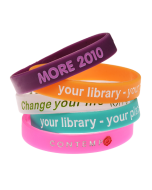
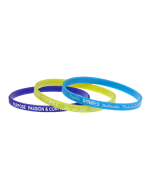
Event Access Control
Festivals, concerts, weddings, corporate parties: a single wristband replaces paper tickets, drink vouchers and VIP lanyards. Tamper-evident designs ensure only paid attendees get in. Branded silicone keepsakes ensure attendees remember the night for months afterwards.
Marketing & Brand Awareness
Cafes hand them out for loyalty programs (come back five times for a free coffee). Gyms include them in welcome packs. Conferences brand them for booth swag. Each band generates around 3,400 brand impressions over its lifetime — cost-per-impression no digital channel matches.
Gifts & Keepsakes
Wedding favours, birthday party giveaways, “welcome to the team” packs, milestone-celebration items. Engraved (debossed) bands feel personal and last for years — far more memorable than the standard wedding bonbonniere.
Hospitals, Clinics & Vital Care
Patient ID, allergy alerts, ward identification, sensory-friendly options for children. Hospital wristbands are typically Tyvek or PVC for single-use. Branded silicone bands work well for outreach programs and aged-care facilities.
Picking the Right Style for Your Use Case
- Custom Colour Bulk: the workhorse for any cause or campaign at scale.
- Custom Debossed: engraved branding that lasts — a corporate or premium feel.
- Tyvek: cheap event entry control.
- Multibandz: classroom learning aids that double as fun wristbands.
- LED: synchronised dance-floor moment at the climax of an event.
The Bottom Line
A custom Handband wristband is not a single product — it’s a small, flexible, low-cost canvas that adapts to your specific use case. Brief our team with what you’re trying to achieve, and we’ll come back with the right product, the right quantity and a delivery date.
Frequently Asked Questions
What are the most common ways people use Handband wristbands?
Five categories cover almost every customer: (1) charity fundraising, (2) school house teams and sports days, (3) event entry control, (4) marketing and brand awareness, (5) gifts and keepsakes. The same product line covers all of them.
Who should I choose Tyvek vs silicone for my use case?
Tyvek for single-use events (concerts, festivals, hospital admissions). Silicone for branded keepsakes, awareness campaigns and daily wear. Many events use both — Tyvek for entry, silicone for the branded keepsake.
Are wristbands suitable for serious adult professional audiences?
Yes — choose skinny styles or single-colour debossed bands for a more discreet professional look. Multi-colour and slap bands are better for kids and casual events.
How small a quantity can I order?
Custom debossed wristbands ship from as few as 4 units; custom colour bulk orders typically start at 50, with sharp price drops at 100 and 500. Most first-time customers start with 100–200 wristbands.
How quickly can wristbands be ready?
Standard custom turnaround is 2–3 weeks plus shipping. Stock blank silicone or Tyvek bands ship faster — often within days. For fully custom artwork, plan 4–6 weeks ahead to allow time for design proofing.

Written by
Founder, Handband
Founder of Handband; specialist in custom wristbands and promotional products for events, schools, charities, and brands.
← Previous
Bracelet Sale Helps Leyden Township Boy Commemorate Sept. 11: A Memorial Fundraiser Template
Next →
Wristbands Help Keep Children Safe at the Royal Adelaide Show (2026 Family Guide)
Comment(s)