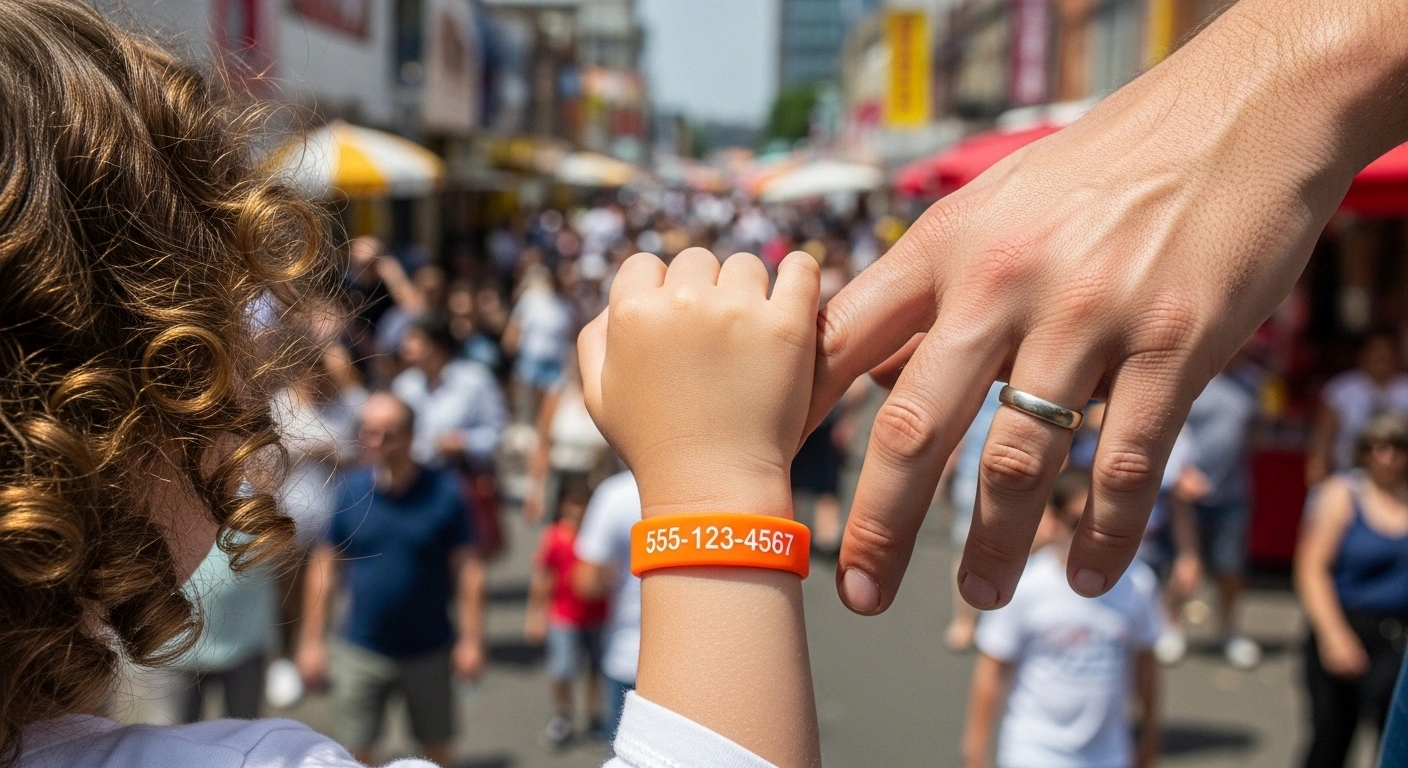
The Royal Adelaide Show, the Royal Easter Show, theme parks, regional fairs — these are exactly the places where kids most commonly get separated from their parents. Big crowds, lots of similar-looking adults, distractions everywhere, and limited sight lines. The fix is the same one parents have used for decades: a brightly coloured wristband with the parent’s phone number on it.
Below is how parents and event organisers use wristbands to keep kids safe at major shows — and what to look for in the right safety band.
Why Wristbands Are the Right Tool for Show Days
- Always with the child. The band stays on for the whole day.
- Visible to any adult. A child too distressed to speak still has visible info.
- Cheap and replaceable. A band per kid per show is well under the cost of any other safety tool.
- Survives the day. Silicone shrugs off heat, sweat, sand and spills.
What to Put on a Show-Day Safety Band
- Child’s first name (no surname — protects privacy).
- Parent’s mobile phone number.
- Any urgent medical info (allergies, EpiPen).
- Optional: meeting point if you have one (e.g. “Lifeguard Tower 5”).
Recommended for you
Products related to this article
Hand-picked to go with what you just read.
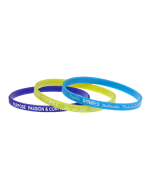
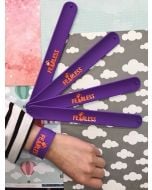
Choosing the Right Safety Band
- Custom debossed: engraved child name + parent phone — permanent and reliable.
- Bright colours (neon, hi-vis): visible from across the showground.
- Slap bands: kids love them — novelty design they’re proud to wear.
- Aluminium dog tag: engraved metal tag clipped to backpack or shoe — works when the band can’t.
The 30-Second Family Routine
Before any big outing:
- Put the band on every child going.
- Point at it and say “if you can’t find me, show this to a safe adult”.
- Agree a meeting point in advance.
- Take a photo of each child in their day’s outfit on your phone.
What Show Organisers Can Do
Major shows that take child safety seriously distribute branded wristbands at the gate — either free or for a small fee — with a barcode or numbered code that ties to a registration card. If a child is found, gate staff can scan the band and locate the registered family in seconds. Large shows have used this model to dramatically reduce reunification times.
A Cheap Insurance Policy
Wristbands won’t prevent every emergency, but they massively reduce the time it takes to fix the most common one — a separated child in a crowd. They cost less than a single show ride and last for years. Order a small batch, build the family routine, and let your kids enjoy the show with one less thing for you to worry about.
Frequently Asked Questions
Why are big shows like the Royal Adelaide Show high-risk for losing kids?
Big crowds, lots of similar-looking adults, many distractions, and limited sight lines. Kids can be three metres away from a parent and feel completely lost. The most-cited cases of separated children at major shows happen at peak crowd hours.
How does a wristband actually help reunite a lost child?
It puts the parent’s phone number on the child’s wrist where any safe adult (security, lifeguard, ranger, friendly stranger) can use it. A child too distressed to recite a phone number still has visible info. Most reunifications happen in minutes — not hours.
What information should be on a kids’ show-day wristband?
Three things: child’s first name (not surname), parent’s mobile phone number, and any critical medical info (allergies, EpiPen). Optional fourth: a meeting point or hotel name if you’re travelling.
Can I write the info on a blank wristband myself before a one-day show?
Yes — blank coloured wristbands accept permanent marker. For repeated outings, custom-printed bands with engraved name + phone don’t wash off and last for years.
How young can children wear safety wristbands?
Kids as young as 18 months can wear soft silicone bands safely. For younger toddlers, choose skinny styles or smaller-sized kids’ wristbands. Always check the fit isn’t too tight or too loose.

Written by
Founder, Handband
Founder of Handband; specialist in custom wristbands and promotional products for events, schools, charities, and brands.
← Previous
How Do YOU Use Your Handbands? 5 Common Use Cases for Wristbands (2026)
Next →
Seven Years On, And He Still Wears a Livestrong Wristband: The Cause-Band Lesson (2026)
Comment(s)