
Halloween for the parent of a food-allergic child is a study in controlled panic. A 7-year-old in a costume sprints from door to door, comes back with a pillowcase of mixed sweets, and the parent has 30 seconds to identify which ones contain peanut, tree nut, dairy, sesame or wheat — usually under porch light too dim to read the labels. Add the costume mask, the sugar-pumped excitement, the "just one" pressure from cousins, and the difference between a fun night and an ER visit can come down to a single Reese’s Cup that nobody noticed. This 2026 update is the practical Halloween playbook for UK and Australian families managing peanut, tree-nut, dairy, sesame, gluten, egg, soy or fish allergies — including the shadow technique, the candy swap, the Teal Pumpkin Project, the engraved silicone medical ID wristband under the costume sleeve, and exactly what to do if a reaction starts mid-trick-or-treat.
The trick-or-treat math problem
An average UK or Australian Halloween night involves a child visiting 20 to 30 houses. Roughly:
- 1 in 5 houses hands out chocolate (peanut + tree-nut + dairy risk)
- 1 in 4 hands out mixed bowls (cross-contact risk)
- 1 in 6 hands out homemade treats (ingredient unknown)
- 1 in 8 hands out hard sweets (mostly safe)
- 1 in 10 hands out non-food prizes (Teal Pumpkin households — safest)
For a peanut-allergic child, that means roughly 9 of 30 visited houses present a potential risk that needs parent vetting. The shadow technique (one parent at the child’s elbow) is the first line of defence.
The shadow technique
One of our case-study parents from the original 2010 NJ.com article shadows her son door-to-door:
- She walks two paces behind, can hear every doorbell + every "trick or treat".
- When the bowl is offered, she watches which sweet her son selects.
- If it’s unsafe, she lets him take it AND another safe one if available.
- Later, out of his sight, she removes the unsafe item from his bag.
- If he’s upset, she trades it for a safe equivalent from her own stash.
This works for primary-school kids. Once the child is 10-12, the routine shifts to a post-route candy swap on the kitchen bench.
Recommended for you
Products related to this article
Hand-picked to go with what you just read.

The Teal Pumpkin Project
The international Halloween-safety standard founded by FARE in 2014. Households put a teal-coloured pumpkin on their porch to signal they offer non-food treats — allergic-child families know they can knock there safely.
Participating houses stock small non-food items:
- Stickers, glow sticks, mini craft sets
- Bouncy balls, vampire fangs, temporary tattoos
- Pencils, erasers, mini notebooks
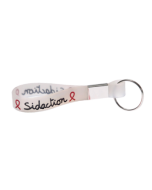
- Multibandz educational wristbands
- Small toys, friendship bracelets
For families with children: register your address on the FARE map so allergic-child neighbours can find you. Plan your child’s route to favour teal-pumpkin homes.
The post-route candy swap
Once the child is too old for the shadow technique, run a candy swap at the kitchen bench:
- Empty the bucket on the bench.
- Sort into three piles: definitely safe, needs label check, definitely unsafe.
- Read every label in the “needs check” pile. “May contain” or trace warnings = unsafe.
- Swap unsafe items for parent-stocked safe equivalents at 1-for-1.
- Discard the unsafe pile or donate to non-allergic households.
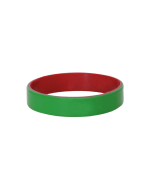
What to engrave on the Halloween wristband
- Line 1: ANAPHYLAXIS — [primary allergen, capital letters]
- Line 2: EpiPen Jr / EpiPen Adult — [in parent costume pocket]
- Line 3: Mum mobile (or trick-or-treat group lead)
- Line 4: 999 (UK) / 000 (AU)
Make sure the wristband is visible at the wrist outside the costume sleeve. If the costume covers the wrist, move the band to the outside of the sleeve or wear a wristband over a glove.
Costume engineering
- Choose costumes with visible wrist — no full-arm gloves or capes covering the band.
- Parent’s costume needs an inside pocket for two EpiPens.
- High-vis accents on the parent so the kids can find them in a crowd.
- Phone reachable without unzipping the costume.
- Encourage the kid to lift the mask whenever they accept a sweet.
Allergy-friendly mainstream sweets in 2026
Widely-recognised peanut-and-tree-nut-free mainstream brands in 2026 UK + Australia:
- Skittles
- Starburst
- Smarties (UK + AU Nestlé brand)
- Dum Dums lollipops
- Mentos
- Plain Cadbury Dairy Milk fun-size (current labels)
- Allergy-friendly bars (No Whey!, Free2b, Enjoy Life)
Avoid: Reese’s, Snickers, Twix (peanut), Hershey’s Almond, anything sharing production lines with Peanut M&Ms. Always read the current packaging — ingredient lines change year-over-year.
If a reaction starts during trick-or-treating
- Stop eating immediately.
- Recognise symptoms — hives, swelling, throat tightness, coughing, vomiting, weakness, pale skin, drowsiness.
- EpiPen IM in outer thigh — through trousers if needed.
- Lie flat, legs elevated. Do NOT stand.
- Call 999 / 000. Read the wristband to the dispatcher.
- Repeat EpiPen at 5 minutes if no improvement.
What if you’re the household giving out treats?
Three easy ways to make your house allergy-friendly:
- Display a teal pumpkin OR a printed sign saying “Allergy-friendly treats available here.”
- Offer a separate bowl of non-food prizes alongside your candy bowl.
- Choose at least one mainstream candy from the peanut/tree-nut-free list above for your main offering.
Schools and Halloween parties
UK and Australian schools increasingly hold in-class Halloween parties with shared snacks. Parents should:
- Sign the school’s allergen-disclosure form.
- Send your child with their EpiPen even on party day.
- Confirm the school has the current Anaphylaxis Action Plan.
- Send a safe-treat baggie so the child has something to eat during shared snacks.
- Brief your child to politely decline unfamiliar shared treats.
Group trick-or-treating with non-allergic friends
Mixed-allergy groups need coordination. The trick-or-treat group lead (often one adult or older teen) must:
- Know every child’s allergens by name.
- Carry the EpiPens for any under-10 child.
- Have action plans + parent mobile + 999/000 ready on speed-dial.
- Ensure each allergic child wears a visible wristband.
- Do a mid-route check-in with parents at 45 minutes.
Teens and Halloween parties
Teen Halloween parties at unfamiliar houses present different risks: alcohol, late nights, unfamiliar food, friend-group pressure. Teens with severe allergies should:
- Carry their own EpiPen at all times.
- Brief one or two close friends on EpiPen use.
- Wear a subtle Handband (skinny debossed) under the costume.
- Set group-text speed dial for parent + emergency services.
- Swap allergens out of the candy haul before the next morning.
Frequently Asked Questions
Quick answers from the Handband team
Is Halloween really more dangerous for allergic kids?
Yes. Allergy ER presentations spike on October 31 in both UK and Australia due to unfamiliar mini-product variants, bulk handling of mixed sweets, and communication gaps between kids, parents and neighbours. Plan ahead.
What is the shadow technique?
One parent walks 2 paces behind the trick-or-treating child. Listens to the doorbell exchange, watches the sweet selection, removes unsafe items out of view later, swaps for safe equivalents. Works best for primary-school kids.
What is the Teal Pumpkin Project?
An international Halloween-safety initiative by FARE. Teal pumpkins on porches signal “non-food treats available here”. Allergic-child families plan routes that favour these houses.
Should my child wear a medical wristband on Halloween night?
Yes — mandatory. The trick-or-treat group lead, host parents, and neighbours may not know your child’s specific triggers. The wristband bridges the gap. Bright colour, engraved with allergen + EpiPen location + parent mobile.
Which mainstream sweets are nut-free in 2026?
Skittles, Starburst, Smarties (UK + AU), Dum Dums, Mentos, plain Cadbury Dairy Milk fun-size. Always read the current packaging — ingredient lines change year-over-year.
How do I run the candy swap?
Empty the bucket on the kitchen bench, sort into safe/needs-check/unsafe, read every “may contain” label, swap unsafe items for parent-stocked safe equivalents at 1-for-1. Done before the child eats any of it.
If a reaction starts during trick-or-treating, what do I do?
EpiPen IM in outer thigh, lay child flat with legs elevated, call 999/000 and read the wristband to the dispatcher, repeat EpiPen at 5 minutes if no improvement. Always wear medical ID.
References
- FARE Teal Pumpkin Project foodallergy.org
- Anaphylaxis UK anaphylaxis.org.uk
- Allergy & Anaphylaxis Australia allergyfacts.org.au
- ASCIA Anaphylaxis Action Plan allergy.org.au
- NHS Allergies nhs.uk

Written by
Founder, Handband
Founder of Handband; specialist in custom wristbands and promotional products for events, schools, charities, and brands.
← Previous
Holiday Gift Guide - Medical Wristbands for Kids 2026
Next →
Biodegradable Wristbands for Events: What They Are and How They Work
Comment(s)