Hand Sanitiser Safety: How to Store, Use, and Protect Children From Accidental Ingestion
December 15, 2020
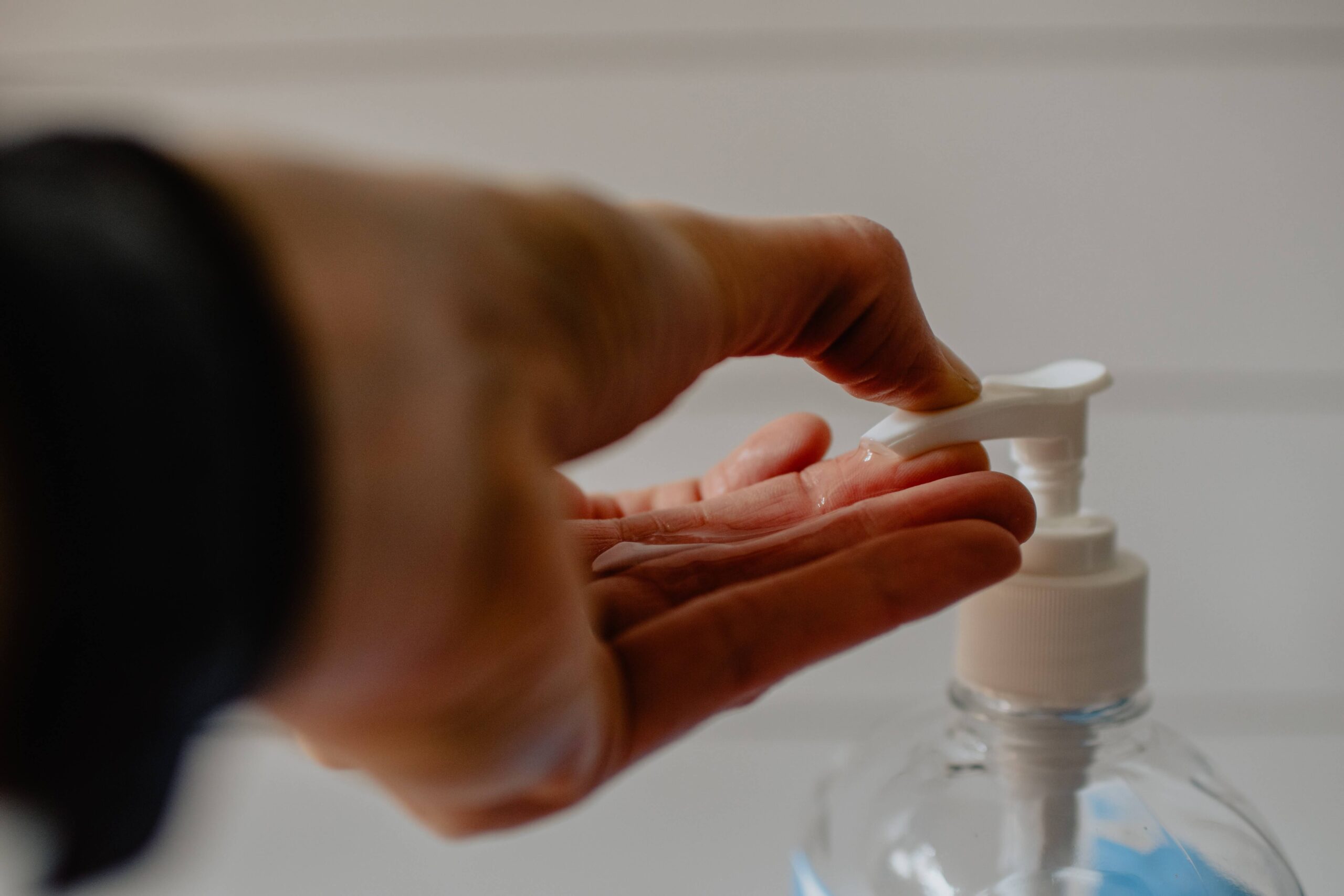
Why Hand Sanitiser Safety Matters at Home and Work
Hand sanitiser has become a fixture in homes, workplaces, schools, and public spaces. When used correctly, it is a highly effective tool for reducing the spread of germs and maintaining hygiene standards. However, its accessibility — particularly in homes with young children — also comes with risks that are frequently underestimated.
Alcohol-based hand sanitisers typically contain between 60-95% isopropyl or ethyl alcohol. This concentration, while necessary for effective germ-killing, makes even a small amount dangerous if swallowed — particularly for children, whose smaller bodies are far more vulnerable to the toxic effects of alcohol ingestion. Understanding how to store, label, and use hand sanitiser safely is an essential part of any modern hygiene routine.
The Risk of Accidental Ingestion: What Parents Need to Know
Young children are naturally curious and often attracted to colourful, sweet-smelling products. Hand sanitisers, especially those with added fragrances or fruit scents, can be mistaken for food or drink. Accidental ingestion, even in small amounts, can cause symptoms including dizziness, confusion, vomiting, and in severe cases, alcohol poisoning.
The challenge is compounded by the fact that sanitiser dispensers are often placed at child height — on desk corners, door handles, and low shelf units — for adult convenience. Repositioning dispensers and educating children about what sanitiser is (and is not) are two of the most effective preventive steps a family can take.
Shop Workplace Hygiene & Safety Products
Keep your workplace and family safe with the right hygiene products.


Safe Storage Guidelines for Hand Sanitiser
Follow these guidelines to keep hand sanitiser safely accessible to adults while out of reach of young children:
- Store above child height: Keep all hand sanitiser products on high shelves, inside locked cupboards, or in areas that children cannot access unsupervised.
- Use child-resistant caps: When purchasing sanitiser in bulk, choose products with child-resistant closures. Pump dispensers should be locked when not in active use in high-risk areas.
- Label clearly: Ensure all containers are clearly labelled, especially if decanting from bulk supplies into smaller dispensers. Never reuse food or drink containers for sanitiser storage.
- Avoid sweet fragrances near children: Unscented sanitisers are less likely to be mistaken for something edible.
Workplace Hand Sanitiser Protocols
In workplace settings, hand sanitiser protocols should be part of the broader WHS (Work Health and Safety) framework. Key elements of an effective protocol include:
- Positioning dispensers at adult height in high-traffic areas
- Including hand sanitiser safety in onboarding and induction training
- Displaying clear signage near dispensers with usage instructions
- Maintaining a log of sanitiser locations for emergency response teams
Complementary Hygiene Tools for a Safer Environment
Hand sanitiser is most effective as part of a broader hygiene strategy. Combining sanitiser use with 3-ply face masks in close-contact environments, hand distancers for touchless interaction with shared surfaces, and regular handwashing protocols creates a layered approach to hygiene that is far more effective than any single measure alone.
For workplaces that issue hygiene kits to staff, elastic fabric bands and custom debossed wristbands with hygiene reminders can serve as a constant, visible cue to maintain good practices throughout the day.
Teaching Children About Hand Sanitiser Safety
Age-appropriate education is one of the most powerful tools available to parents and educators. Teaching children:
- That hand sanitiser is a cleaning product, not food or drink
- That it should only be used with adult supervision for young children
- What to do if they or a sibling accidentally swallows some (tell an adult immediately)
- The difference between hand sanitiser and hand soap — both clean, but in different ways
Wristbands with hygiene reminder messages — such as “Wash Your Hands!” — can reinforce these lessons in a fun, wearable format that children are likely to engage with positively.
What to Do in Case of Accidental Ingestion
If a child swallows hand sanitiser, act quickly:
- Do not induce vomiting.
- Call Poisons Information or emergency services immediately.
- Have the product container ready to provide details to medical staff.
- Monitor for symptoms including drowsiness, confusion, or vomiting.
Speed of response is critical — the faster professional advice is sought, the better the outcome.
Frequently Asked Questions
How dangerous is hand sanitiser if swallowed by a child?
Alcohol-based hand sanitisers are highly concentrated and can cause alcohol poisoning even in small amounts when ingested by children. Always store sanitiser out of reach, contact Poisons Information immediately if ingestion occurs, and never induce vomiting without professional advice.
How should hand sanitiser be stored safely at home?
Store hand sanitiser on high shelves or in locked cupboards, away from areas accessible to young children. Choose products with child-resistant caps and never store sanitiser in food or drink containers.
What hygiene tools should complement hand sanitiser use?
A layered hygiene approach includes hand sanitiser, face masks for close-contact settings, hand distancers for touchless surface interaction, and regular handwashing. Each tool addresses different transmission pathways for a more effective overall strategy.
How can I teach children about hand sanitiser safety?
Use age-appropriate language to explain that sanitiser is a cleaning product, not food or drink. Involve them in supervised sanitiser use so they understand the correct amount and method. Hygiene reminder wristbands can reinforce lessons in a fun, wearable format.

Share on Facebook

Share on X

Share on Pinterest
Comment(s)