How to Clean Silicone Wristbands: 6 Easy Methods + Disinfecting Tips
By Handband Community Team
· Updated 17 May 2026
· 8 min read
Silicone wristbands are designed to last for years, but they pick up sweat, sunscreen, hand cream and dust from everyday wear. Cleaning a silicone wristband takes 2 minutes with the right method — and a proper disinfect at the right cadence keeps the band hygienic without damaging the silicone or the printed design.
This guide walks through 6 proven cleaning methods, when to disinfect, how to remove stubborn stains, and the few things you should never do to a silicone band.
Why Silicone Wristbands Need Regular Cleaning
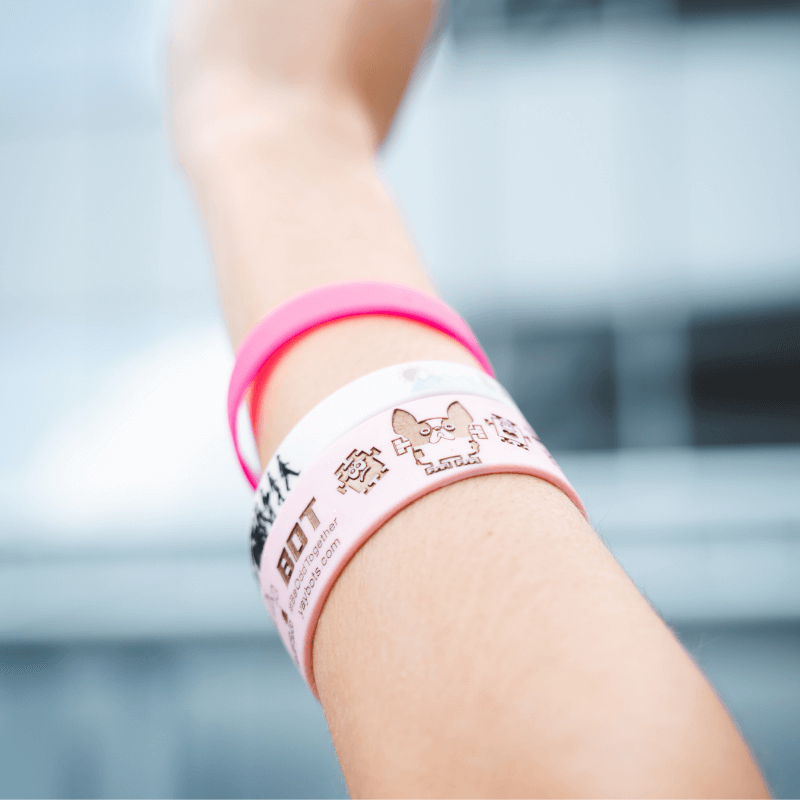
Medical-grade silicone is non-porous, which means bacteria do not soak into the band — they sit on the surface. But sweat, body oils, soap film and dust still build up over time, especially on the inside surface that touches your skin.
What builds up on a worn band
- Sweat salts and dead skin cells (the white film you see after exercise)
- Sunscreen and skincare residue
- Soap and shampoo film from showering with the band on
- Dust, lint and food particles trapped in debossed text
How often should you clean it?
For light daily wear, a quick rinse with soap and water every 2–3 days is enough. For sports, swimming or hot weather, clean daily. For healthcare or food-service environments, follow your workplace hygiene policy — usually a disinfect at the end of each shift.
6 Methods to Clean Silicone Wristbands at Home
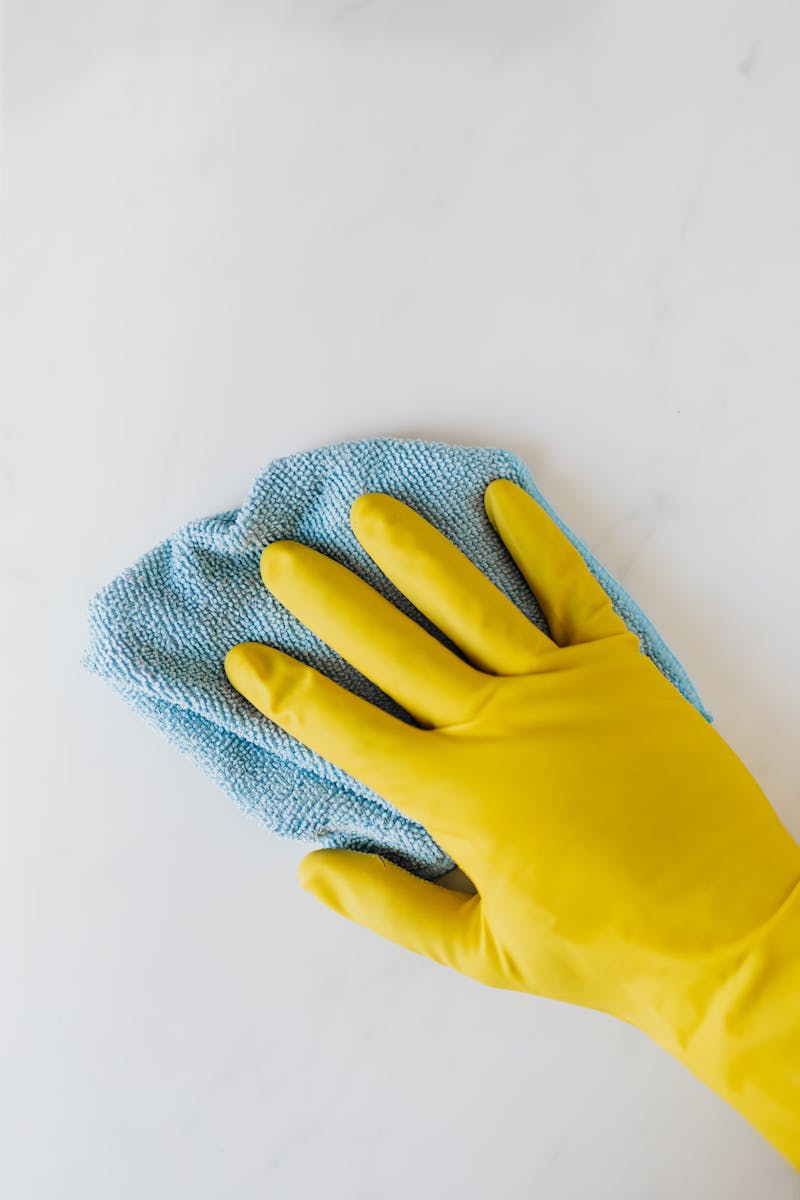
Method 1: Soap and warm water (everyday)
- Run the band under warm (not hot) tap water.
- Apply a drop of mild dish soap or hand soap.
- Rub gently with your fingers, getting soap into any debossed text or ink-fill grooves.
- Rinse thoroughly until no soap residue remains.
- Pat dry with a clean towel.
This is the go-to method for daily wear and works on every silicone wristband style — debossed, embossed, colour-coat, swirl and multi-layer.
Method 2: Rubbing alcohol or hand sanitiser (disinfect)
- Pour 70 percent isopropyl alcohol onto a soft cloth.
- Wipe the band thoroughly on both sides, paying attention to ink-filled text.
- Let it air dry — no rinsing required.
Alcohol kills bacteria and viruses without harming silicone or printed ink. Use this when your band has been worn in a high-contact environment (gym, hospital, public transport).
Method 3: Baking soda paste (stain removal)
- Mix 1 teaspoon of baking soda with a few drops of water to form a paste.
- Apply to the stained area with your fingertip.
- Gently scrub with a soft toothbrush for 30 seconds.
- Rinse and pat dry.
Baking soda is mildly abrasive and lifts stubborn stains like ink, food dye and grass marks without damaging the silicone surface.
Method 4: White vinegar soak (mineral build-up)
- Mix equal parts white vinegar and warm water in a small bowl.
- Submerge the band for 10–15 minutes.
- Rinse thoroughly under running water.
- Pat dry.
Useful for hard-water deposits or that dull, chalky look bands sometimes develop after long-term wear.
Method 5: Top-shelf dishwasher (bulk clean)
Silicone wristbands are dishwasher safe on the top shelf, away from the heating element. Place 10–20 bands in a mesh laundry bag or a small colander to stop them sliding around. Use a normal cycle without harsh detergents and skip the heated dry. This is perfect for sports teams, schools and event organisers cleaning bands in bulk.
Method 6: UV sanitiser (no-water option)
A UV-C sanitiser box (the kind sold for phones and keys) sterilises silicone wristbands in 5–10 minutes. It does not remove visible dirt, so pair it with a soap-and-water wash. UV is ideal for ink-filled bands where you want to disinfect without risking the ink.
Replace Worn-Out Bands with Fresh Custom Wristbands
When a deep clean isn't enough, treat yourself to a fresh set.


How to Disinfect Silicone Wristbands Properly
Daily disinfect for healthcare and food-service
Wipe both surfaces with 70 percent isopropyl alcohol or a chlorhexidine wipe at the end of each shift. The alcohol evaporates fast and leaves no residue.
Weekly deep disinfect for everyday wearers
Once a week, soak the band in a 1:9 bleach-to-water solution for 5 minutes, then rinse thoroughly and air-dry. This kills 99.9 percent of bacteria including MRSA, E. coli and Salmonella. Bleach can dull bright colours over time — keep weekly soaks short.
Pre-event disinfect for shared bands
If wristbands are reused across multiple wearers (school excursions, sports tournaments), run a dishwasher cycle or a 10-minute alcohol soak between users.
How to Remove Common Stains
Ink stains
Dab with rubbing alcohol on a cotton bud. Work outwards from the stain to avoid spreading the ink across the band.
Sunscreen residue
Sunscreen leaves a sticky film that traps dirt. Use warm soapy water followed by a baking-soda scrub if the film persists.
Yellowing on white or light bands
Soak in a 1:1 hydrogen peroxide and water mix for 30 minutes. Rinse, then air-dry in indirect sunlight. Direct sun can fade printed bands.
Mould spots from damp storage
Brush with a toothbrush dipped in vinegar, then wash with soap. Always dry bands fully before storing in a sealed container.
Things You Should Never Do to a Silicone Wristband
- Never use bleach undiluted — it strips the colour and may degrade the silicone over weeks.
- Never use acetone or nail-polish remover — it eats through ink-fill and printed surfaces.
- Never machine-tumble dry — the heat can warp the band shape.
- Never scrub with a wire brush or steel wool — these scratch the surface and dull the finish.
- Never leave it in direct sunlight to dry — UV fades the colour, especially on red, blue and purple bands.
Pro Tips for Longer-Lasting Wristbands
Remove before showering with strong soaps
Antibacterial soaps and exfoliants can dull the surface gloss. Slip the band off when using heavy-duty cleansers.
Air-dry, do not heat-dry
Pat dry with a towel and leave on a flat surface to finish drying. Hairdryers, radiators and direct sun shorten band life.
Store in a dry container
A small zip-top bag in a drawer is fine. Avoid leaving bands in damp bathrooms, gym bags or car cup holders.
Rotate bands if you wear multiple
Daily rotation gives each band time to fully air-dry between wears, doubling typical lifespan.
Cleaning Different Wristband Styles
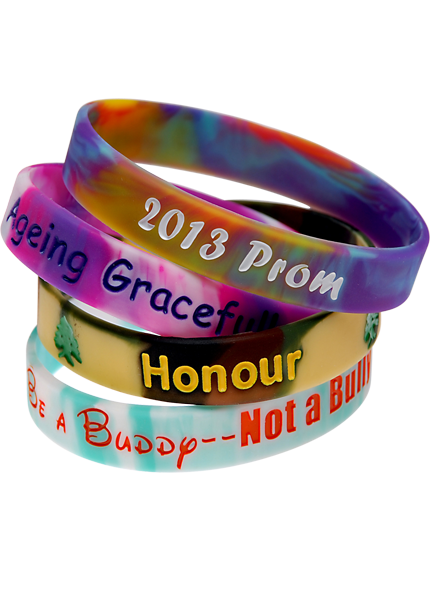
Cleaning debossed and embossed bands
Use a soft-bristle toothbrush to clean inside the debossed grooves where dirt collects. Embossed bands are easier to wipe but more prone to edge wear.
Cleaning ink-fill bands
Avoid alcohol soaks longer than 10 minutes — extended contact can fade ink. Use mild soap and water for routine cleaning.
Cleaning colour-coat and printed bands
Hand-wash only with mild soap. Avoid abrasive scrubbing on the printed surface. Skip the dishwasher.
Cleaning multi-layer and swirl bands
These tolerate most cleaning methods, including the dishwasher. Use a toothbrush to remove dirt from the seam between layers.
When to Replace Instead of Clean
A silicone wristband should last 3–5 years of daily wear. Replace when you notice cracking, permanent yellow stains that will not lift, ink-fill missing more than 25 percent of the design, or any tackiness on the surface (a sign the silicone is breaking down).
Frequently Asked Questions
How do you clean a silicone wristband?
Wash the silicone wristband with warm water and mild soap, rub gently with your fingers (or a soft toothbrush for debossed text), rinse thoroughly and pat dry. For a deeper clean, wipe with 70 percent isopropyl alcohol or soak in a 1:9 bleach-water solution for 5 minutes.
Are silicone wristbands dishwasher safe?
Yes — silicone wristbands are dishwasher safe on the top shelf, away from the heating element. Place them in a mesh laundry bag or small colander to keep them in place, use a normal cycle without harsh detergents, and skip the heated dry.
How often should I clean my wristband?
Clean lightly with soap and water every 2–3 days for everyday wear, daily after sports or sweat, and disinfect with alcohol weekly. Healthcare and food-service wearers should disinfect at the end of every shift.
Can I use bleach to disinfect a silicone wristband?
Yes, with a diluted solution of 1 part bleach to 9 parts water for no more than 5 minutes, followed by a thorough rinse. Do not use undiluted bleach — it can dull bright colours and degrade the silicone over time.
How do I remove yellow stains from white silicone wristbands?
Soak the band in a 1:1 mix of hydrogen peroxide and water for 30 minutes, then rinse and air-dry in indirect light. Yellowing is usually caused by sunscreen residue or UV exposure, so prevent recurrence by removing the band before applying sunscreen.
Will alcohol or sanitiser damage my wristband?
70 percent isopropyl alcohol and standard hand sanitiser are safe for short cleaning contact (under 10 minutes) on most silicone bands. Long alcohol soaks can fade ink-fill bands, so use soap and water for ink-fill day-to-day and reserve alcohol for occasional disinfecting.
How long do silicone wristbands last with proper cleaning?
With regular soap-and-water cleaning and weekly disinfecting, a silicone wristband typically lasts 3–5 years of daily wear before the silicone shows cracking or surface stickiness. Ink-fill designs may need a touch-up earlier, around 18–24 months.
Oct 29, 2019

Written by
Founder, Handband
Michael founded Handband to give event organisers, charities, sports clubs, and brand teams a simpler way to source custom wristbands and promotional products. The team has supplied wristbands to festivals, schools, fundraisers, and corporate activations world-wide.

Share on Facebook

Share on X

Share on Pinterest
Comment(s)
Related posts