By Handband Community Team
· Updated 17 May 2026
· 10 min read
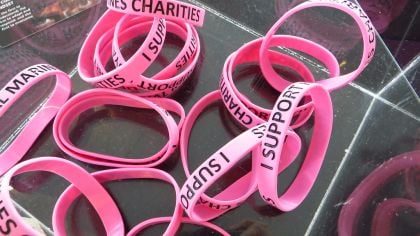
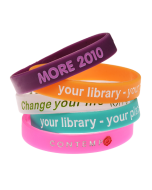
Got a drawer full of old silicone wristbands from past events, fundraisers and concerts? Before you toss them in the bin — silicone bracelets are recyclable, durable and surprisingly versatile. This guide walks through 10 creative ways to upcycle silicone wristbands, where you can recycle them properly, and eco-friendly alternatives (bamboo, RPET) for your next event order.
Silicone is a long-lasting polymer that can be ground down and re-moulded into other silicone products. It doesn't biodegrade easily, so keeping bands in use as long as possible — or upcycling them into something new — is the most impactful thing you can do.
Can Silicone Wristbands Be Recycled?
The technical answer
Yes — silicone is technically 100 percent recyclable. The challenge is that most kerbside recycling programs don't accept silicone (it's grouped with #7 'other' plastics or rejected entirely). To recycle silicone properly, you need a specialised silicone recycler that grinds the material down and re-moulds it into new products.
TerraCycle and similar programs
TerraCycle runs a free silicone-bracelet recycling program in many countries — you mail in a box of old bands and they handle the rest. In Australia, check Planet Ark's Recycling Near You database for local silicone collection points.
Bulk recycling for event organisers
If your festival or fundraiser ends up with thousands of leftover or unworn bands, contact a commercial silicone recycler directly. Most accept bulk inbound shipments and can quote pricing.
10 Creative Upcycling Ideas for Old Silicone Wristbands
1. Cable wrap for chargers and cords
Cut a wristband into 2 or 3 sections and use each piece to wrap a coiled phone charger, USB cable or earbud cord. Stops tangles in your bag.
2. Jar lid grip
Slip a wristband around a stubborn jar lid for extra grip when opening. The silicone's friction makes it surprisingly effective.
3. Bookmark for chunky books
Slide a band around the cover of a thick novel or textbook as a stretchy bookmark that stays in place.
4. Headphone storage
Coil headphones inside a wristband to keep them tangle-free in your gym bag or backpack.
5. Hair ties (large or thick)
Wider silicone bands work as soft hair ties without the snap-pull of standard elastic. Gentler on hair, especially thick or curly.
6. Kitchen organiser — utensil grouping
Use bands to group sets of measuring spoons, wooden skewers, or chopsticks together in a drawer.
7. Pencil grip for kids
Cut a small section and slide it onto a pencil for an ergonomic grip — particularly useful for kids learning to write or anyone with arthritis.
8. Bike-handle grip booster
Slide a few bands over worn bike handlebars for extra grip and a custom colour pop.
9. Quick napkin rings for outdoor dining
Roll a napkin and slip a colourful wristband around it for instant, washable napkin rings — perfect for picnics and BBQs.
10. Craft project — woven mats and coasters
Cut bands into strips and weave them on a small loom for upcycled coasters, hot pads or wall art. Great rainy-day project with kids.
Recommended for you
Products related to this article
Hand-picked to go with what you just read.
Donating or Re-Distributing Wristbands
Schools and youth programs
Local schools often welcome donations of plain or generic-design wristbands for sports teams, house colours and reward systems. Email the office before dropping bands off.
Charity shops and op shops
Salvos, Vinnies and similar charity shops sometimes accept silicone wristbands for resale. Drop them in clean condition with no obvious damage.
Community groups and social clubs
Scouts, Guides and other youth organisations use wristbands for badge programs and group identification. Reach out before assuming they'll take them.
Eco-Friendly Alternatives for Your Next Event
Bamboo fabric wristbands
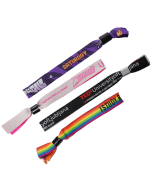
Bamboo fabric wristbands are biodegradable, hypoallergenic and naturally antibacterial. Made from sustainable bamboo fibre blended with cotton, they decompose in 6–12 months in commercial compost. Ideal for environmentally conscious festivals and sustainability conferences.
RPET (recycled PET) fabric wristbands
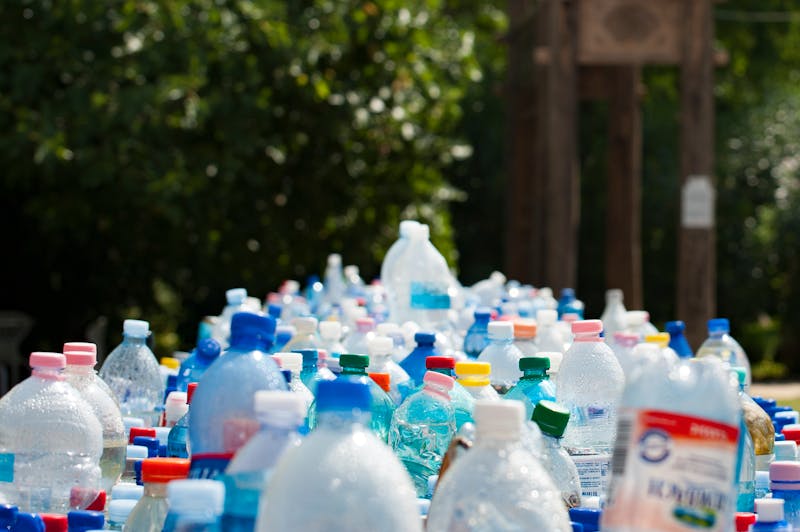
RPET wristbands are woven from yarn spun out of recycled plastic bottles. Each band diverts approximately 2 bottles from landfill. They look and feel identical to standard woven fabric bands but carry a strong sustainability story for your event communications.
Plant-based silicone (still emerging)
Some manufacturers offer plant-based silicone derived from sugarcane. The supply chain is still maturing, but it's worth asking your supplier if this option is available for your order.
Tyvek paper for short events
For single-day events where you don't need long-lasting bands, Tyvek paper wristbands are recyclable in standard paper streams and cost a fraction of silicone.
How to Reduce Wristband Waste at Your Event
Order accurate quantities
The biggest source of wristband waste is over-ordering. Use last year's attendance plus 10 percent buffer rather than 30 percent. Excess unsold bands are the most-likely items to end up in landfill.
Reusable slider closures
Choose non-locking slider fabric bands when possible. They can be loosened, removed and re-distributed to next year's attendees.
Offer band return at exits
Set up clearly marked collection bins at event exits. Even capturing 20 percent of issued bands diverts thousands from landfill at large events.
Buy in bulk to reduce packaging waste
Bulk orders ship in fewer, larger boxes than individual packs — significantly less plastic packaging per band.
Are Old Silicone Wristbands Still Safe to Wear?
Inspect before reusing
Silicone wristbands stay safe for 3–5 years of regular wear. Replace if you see cracking, permanent yellow stains that won't lift, ink-fill missing more than 25 percent, or surface tackiness (a sign the silicone is degrading).
Clean before redistributing
Wash with mild soap and water, then disinfect with 70 percent isopropyl alcohol or a 1:9 bleach-water solution for 5 minutes. See our silicone cleaning guide for full methods.
Stretched-out bands
Bands that have stretched too loose can be slightly shrunk using boiling water — see our wristband shrinking guide for step-by-step methods.
Frequently Asked Questions
Can silicone wristbands be recycled?
Yes — silicone is technically 100 percent recyclable but most kerbside recycling programs don't accept it. Use specialised silicone recycling programs (TerraCycle in many countries) or contact a commercial silicone recycler for bulk drops.
What can I do with old silicone wristbands?
Upcycle them into cable wraps, jar grips, bookmarks, headphone organisers, hair ties, pencil grips, bike grips, napkin rings or craft projects. Or donate to schools, charity shops and youth programs that can re-use them.
Are silicone wristbands biodegradable?
No — silicone is durable and does not biodegrade in typical landfill conditions (it takes 50+ years). For biodegradable alternatives, use bamboo fabric wristbands (6–12 months in commercial compost) or RPET recycled fabric wristbands.
How long do silicone wristbands last?
Silicone wristbands typically last 3–5 years of regular daily wear before showing visible wear (cracks, yellowing, surface tackiness). Storing them in a cool, dry place can extend lifespan.
What is the most eco-friendly wristband material?
Bamboo fabric wristbands and RPET (recycled PET) wristbands are the most environmentally friendly options. Bamboo is biodegradable; RPET diverts plastic bottles from landfill. For single-day events, Tyvek paper bands are recyclable in paper streams.
Can I donate used silicone wristbands?
Yes — schools, scout groups and charity shops often accept clean used wristbands. Wash with soap and water, then disinfect with rubbing alcohol or diluted bleach. Email the recipient before dropping bands off to confirm they want them.
How do I reduce wristband waste at my event?
Order accurate quantities (last year's count plus 10 percent buffer, not 30 percent), choose reusable slider closures over single-use barrel locks, set up return bins at event exits, and consider bamboo or RPET options for sustainability messaging.
Planning a new run of bands?
Order custom silicone wristbands made to order from a minimum of four per design, in your colours and message. Lead time depends on quantity — typically 10–14 business days, quicker on application.

Written by
Founder, Handband
Founder of Handband; specialist in custom wristbands and promotional products for events, schools, charities, and brands.
← Previous
Light The Way: Custom LED Wristbands for Events & Concerts
Next →
10 Creative School Wristband Ideas for Students
Comment(s)