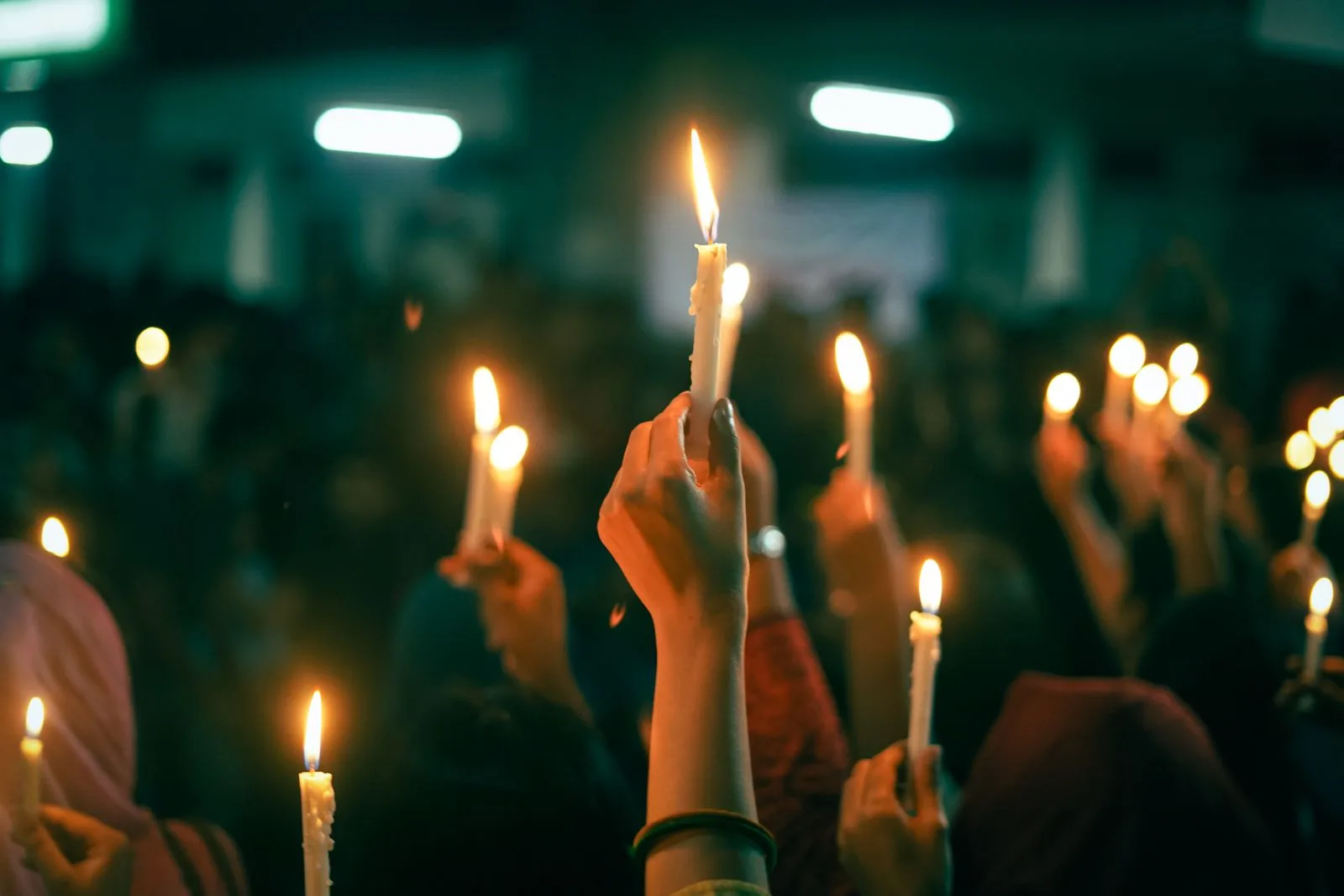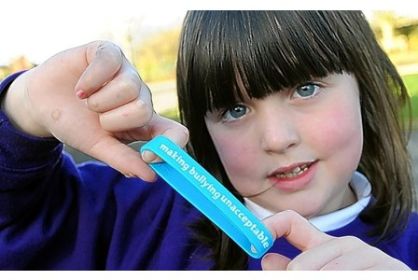
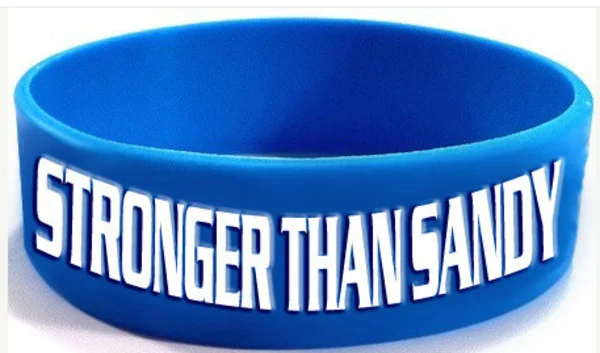
Road safety memorial wristbands turn a personal tragedy into a lasting community message: drive safely, slow down, look out for one another. When a family loses someone on the road — a child, a partner, a young driver, a pedestrian — a custom memorial wristband gives the community a wearable tribute that keeps the lost person’s name visible and reminds everyone who sees it that lives are at stake every time we get behind the wheel. This guide explains how road safety memorial wristbands work, what makes a campaign succeed, and how schools, driver education programs, councils and bereaved families turn $3 silicone bands into thousands of dollars for road-safety advocacy and family support. Handband supplies custom memorial wristbands and road-safety awareness bands to grieving families, school programs and community road-safety groups across Australia. The recommendations here come from real campaigns — what works for keeping a victim’s memory alive and saving the next driver who might otherwise make the same mistake.
Why Memorial Wristbands Work for Road Safety Awareness
- Personal story drives behaviour change. A wristband with a real name and date converts abstract road-safety messages into a personal "don’t let this happen to my mate" reminder. Drivers respond to faces and names, not statistics.
- Daily visible cue. Worn every day, a memorial band is on the wrist at every traffic light, every fatigue moment, every "just one drink" temptation — the message lands when it matters most.
- Community solidarity. Wearing a band tells the family someone else is carrying their loss too. Hundreds of bands on a town’s wrists send a clear: "We won’t forget. We’ll drive better because of you."
- Affordable fundraising. Bands sell for $3–5 each, putting 60–75% margin directly into road-safety education programs, family support, or driver-skills funding for young drivers.
- Long-lasting impact past the news cycle. News coverage fades within days; bands stay on wrists for months and years — carrying the cause forward when public attention has moved on.
Common Road-Safety Memorial Campaign Types
Young driver fatality tributes
When a teenage driver is lost in a single-vehicle crash, family and school communities often launch memorial campaigns combining a tribute band with a driver-education program at the local high school. The funds typically support driver-skills training scholarships or P-plate safety initiatives.
Written by
Michael Randall — Founder, Handband
Updated 27 May 2026 · 9 min read · Supplied custom wristbands to Australian communities, schools and charities for 15+ years
Pedestrian and cyclist memorials
Cyclists and pedestrians lost to driver inattention or speeding generate strong community response. Memorial bands featuring "Look Both Ways" or "Share the Road" messaging help redirect grief into safer roads.
Drink-driving prevention tributes
Families who’ve lost a loved one to drink-driving frequently partner with police road-safety units to distribute bands at community events and licensed venues. The bands carry messaging like "Plan Ahead" or "Don’t Drive Tired" alongside the victim’s name.
Anniversary remembrance campaigns
On the first, fifth and tenth anniversary of a fatal crash, communities often re-launch the wristband campaign. The re-runs raise additional funds, refresh community memory and remind the new generation of young drivers of the story.
Recommended for you
Products related to this article
Hand-picked to go with what you just read.
Designing a Road Safety Memorial Wristband
Pick the right colour and message
Yellow signals hope and survivorship; black or charcoal carries a more solemn tribute tone; the victim’s favourite colour personalises the band for those who knew them. Combine with a short message: the person’s name, dates, and a 2–3 word road-safety slogan.
Coordinate with the family first
Always start by asking the family. Use of names, photos and dates must have their blessing — the campaign is a tribute, not an unsanctioned product. Most bereaved families are deeply grateful for genuine community memorial efforts, but only when they’re consulted properly.
Partner with road-safety bodies
Australia’s state road-safety commissions, the National Road Safety Strategy, the Amy Gillett Foundation and local police road-safety units all work with community memorial campaigns. Their endorsement adds credibility and connects fundraising to evidence-based programs.
Include where funds go
Specific named recipient (driver-skills scholarship, family support, peak road-safety charity) helps supporters understand exactly what their $5 buys. Generic appeals raise less than specific ones.
Schools and Driver Education Programs
Year 11 and 12 driver-education tie-ins
Many Australian secondary schools run year 11/12 driver-education modules. Memorial wristband campaigns tied to a young driver lost in the local community deliver an emotional anchor that statistics alone can’t provide.
RYDA, Keys2Drive and similar programs
Established Australian road-safety education programs (RYDA, Keys2Drive, fatal vision goggles workshops) frequently partner with memorial wristband campaigns to give students a wearable take-away that reinforces the day’s message.
Sports clubs and youth groups
Local football, netball and rugby clubs often run memorial campaigns when a player or supporter is lost. Bands worn for the season become a uniform-level tribute that brings the team and family together.
Why Memorial Wristbands Sustain Awareness Past the Funeral
The hardest part of a road-safety memorial campaign isn't the funeral week — it's month 3, when the immediate community grief subsides but the family still needs visible support and the broader public still needs the safety message reinforced. A wristband worn daily by friends, school classmates and sport-team mates does what no media campaign can: it keeps a single name on hundreds of wrists for 6-24 months, turning every coffee-shop interaction into a chance to remember and re-share the message.
The pattern repeats across hundreds of Australian families. The first month sees community-led wristband orders, schools and sports clubs adopt them next, and by month 6 the band is the operating symbol of the memorial fund itself — frequently outliving the family's energy to run the campaign because the bands keep visibility on their own.
Common Memorial Campaign Types
- Driver-awareness campaigns — band carries the victim's name + a short safety message ("Drive for [Name]"). Used as a daily reminder by family and friends, often handed out at high schools as part of P-plate driver education programs.
- Sport-team tributes — for victims who were active in club sport. Entire teams wear bands for a season, with a memorial round each year on the anniversary date.
- School memorial programs — for student victims. Schools partner with the family to fund road-safety speakers, safe-driving simulators or a senior-school assembly speaker each year.
- Bicycle and pedestrian safety campaigns — for cyclist or pedestrian victims. Bands paired with high-vis distribution to local schools and cycling clubs.
- Anniversary campaigns — a refresh campaign each year on the date, with a fresh colour or message variant to re-engage the original supporters.
Designing a Road Safety Memorial Wristband
Use the person's name, not just a slogan
"For Sarah" or "Drive for Tom" outperforms generic safety messaging by a factor of 5-10. Specific names create personal connection; generic messaging creates noise the brain filters out within seconds.
Pair with a clear safety message
"Phones Down" or "Speed Kills" works because it's actionable. Avoid vague "Drive Safely" — every driver thinks they already do.
Match colour to the family's preference
White or sky-blue for peace, black for solemn remembrance, the victim's school or sport-club colours for community connection. Avoid red (warning) — it's too clinical for memorial use.
Schools and Driver Education Programs
Partnering with the victim's school (or the school of the family's choosing) creates the most durable campaign. The school typically:
- Funds a road-safety guest speaker each year on or near the anniversary date
- Distributes bands to year-11 and year-12 students as part of P-plate driver education
- Hosts an annual memorial assembly with the family — strengthens the family's ongoing connection to the community
- Coordinates with local police road-safety officers for guest presentations
For driver-education programs, the wristband becomes part of the kit: every learner receives one, and the band becomes the "remembrance" that gets handed to the next cohort each year.
Common Mistakes to Avoid
- Vague messaging. "Drive Safely" doesn't change behaviour. Name + specific action ("Phones Down for Tom") does.
- One-off campaign. The 1-year, 5-year and 10-year anniversaries are when the campaign matters most. Plan refreshes.
- No charity partner. Memorial funds without a registered charity behind them struggle with transparency questions. Partner with a road-safety NGO.
- Excessive personal detail. The band should honour, not over-share. Discuss content with the immediate family before production.
References & Further Reading
- Australasian Road Safety Conference
- Office of Road Safety — Australian Government road-safety strategy
- TAC Victoria — Driver education and road-safety campaigns
Frequently Asked Questions
How much can a road safety memorial wristband campaign raise?
Real campaigns commonly raise $3,000-$20,000 in the first six months, with the standout campaigns crossing $50,000+ when local media coverage builds. Funds typically go to driver-skills training scholarships, family support, or evidence-based road-safety programs run by partner charities.
Should we coordinate with the family before launching a memorial campaign?
Yes — always. The use of names, photos and dates must have the family's blessing. Most bereaved families are deeply grateful for genuine community memorial efforts, but only when they're consulted properly. Speak with them or a designated spokesperson first, agree on wording and funds allocation, then proceed.
What should we engrave on a road safety memorial wristband?
Keep it simple and respectful: the person's name, dates of birth and death (optional), and a 2-3 word road-safety message like 'Drive Safely', 'Slow Down', 'Plan Ahead' or 'Share the Road'. Avoid graphic or accusatory language — the band needs to honour the person while gently reminding drivers.
Can road-safety wristbands be used in school driver-education programs?
Yes. Memorial wristband campaigns tied to a young driver lost in the local community are increasingly common in year 11/12 driver-education modules. Programs like RYDA and Keys2Drive often partner with such campaigns to give students a take-away that reinforces the day's message.
How fast can custom road-safety wristbands be made?
Standard production is 7-14 working days. For active memorial campaigns running on a tight timeline (funeral, anniversary, school event), our 2U in 24 service can dispatch custom road-safety wristbands in 24 hours — call our team to confirm timing before ordering.
Can road safety memorial wristbands be tax-deductible donations?
Yes, if the funds flow through a charity with Deductible Gift Recipient (DGR) status. Many Australian road-safety NGOs (e.g. Pedestrian Council Australia, Bicycle Network) can act as the receiving entity for memorial campaigns and issue tax-deductible receipts to band buyers. The family typically partners with the NGO who runs the receipting; the band itself is sold at a small mark-up over cost so the donation portion ($3-$4 per $5 band) is deductible.
How long do families usually run a road safety memorial wristband campaign?
The most sustained campaigns run for 5-10 years. The first 12 months produce 60-80% of total funds raised; years 2-5 add anniversary refreshes that keep the message alive; years 6-10 typically become school-led legacy programs where a partnering school continues the wristband distribution as part of senior-year driver education. After 10 years many campaigns transition into permanent annual scholarships or road-safety programs funded by the accumulated wristband proceeds.

Written by
Founder, Handband
Founder of Handband; specialist in custom wristbands and promotional products for events, schools, charities, and brands.
← Previous
Celebrity-Endorsed Cause Wristbands: How Star Power Amplifies a Campaign
Next →
Anti-Bullying Wristbands: How Schools Build a Kindness Culture That Lasts
Comment(s)