

In February 2013, future CIA director John Brennan walked into his Senate confirmation hearing wearing a POW MIA bracelet for Sergeant Bowe Bergdahl — an American soldier missing in action in Afghanistan since 2009. The image went around the world: a senior intelligence official quietly carrying the name of a soldier no one had been able to bring home. The Bergdahl bracelet became, briefly, one of the most recognisable POW awareness wristbands in modern American memory.
That moment also crystallised something the veteran community has known for decades: a wristband can carry a service member’s name through rooms where official channels stall. This article walks through the long tradition of POW MIA bracelets, how modern veteran cause wristbands work, and what families and units do today to keep the names of missing service members visible.
The 50-Year POW MIA Bracelet Tradition
The original POW MIA bracelet was created in 1970 by college students Carol Bates Brown and Kay Hunter. Each metal cuff was engraved with the name, rank and shoot-down date of one Vietnam-era prisoner of war or soldier missing in action. Wearers committed to keep the bracelet on until that specific service member came home — alive or remains.
Five decades later the format hasn’t changed much. Modern POW remembrance bands use the same one-name-per-band convention, the same “wear until home” commitment, and the same simple visual restraint. What changed is the material: aluminium dog tags and silicone wristbands now exist alongside the original brass cuff, broadening who can wear and afford one.
What Goes On a Modern POW Awareness Wristband
The engraving format that the veteran community has standardised:
- Service rank + name (e.g., “SGT BOWE BERGDAHL”)
- Date of capture or last contact (e.g., “30 JUN 2009”)
- Branch or unit (optional) (e.g., “US ARMY” or “ANZAC”)
The 25-character debossed limit fits all three. Skip slogans — the name carries the weight, the way the original Vietnam bracelets carried theirs. For Aussie service-member tributes, swap “US ARMY” for “ADF”, “RAAF”, “RAN” or unit number.
Recommended for you
Products related to this article
Hand-picked to go with what you just read.
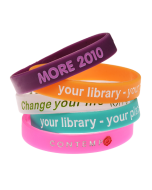
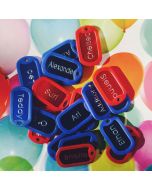
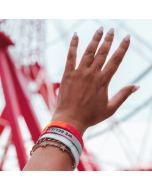
Aluminium Dog Tag vs Silicone Wristband: Veteran Preferences
Most veterans we’ve spoken to prefer aluminium for the traditional military aesthetic and silicone for the daily-wear comfort. Both work; choice is generational and contextual:
- Aluminium dog tag — matches the dog-tag tradition; sits well at parades, ANZAC Day, official commemorations.
- Silicone wristband — daily wear, school students of veteran families, casual remembrance.
- Custom debossed silicone — the modern entry point at each, accessible to whole-cohort distribution.
Read our cause-wristband awareness guide for parallel campaigns and the memorial wristband ideas piece for service-member tribute formats.
How Brennan’s Bergdahl Bracelet Worked as Awareness
The 2013 Brennan moment is a textbook example of how a service-member wristband amplifies awareness without being a campaign:
- A senior official wears the band quietly. No press release, no social-media post, no sponsorship.
- Photographers capture the band in a hearing photo. The visual goes viral inside an hour.
- Veterans’ community recognises the format instantly. They share, write, organise.
- A wider public learns the soldier’s name for the first time.
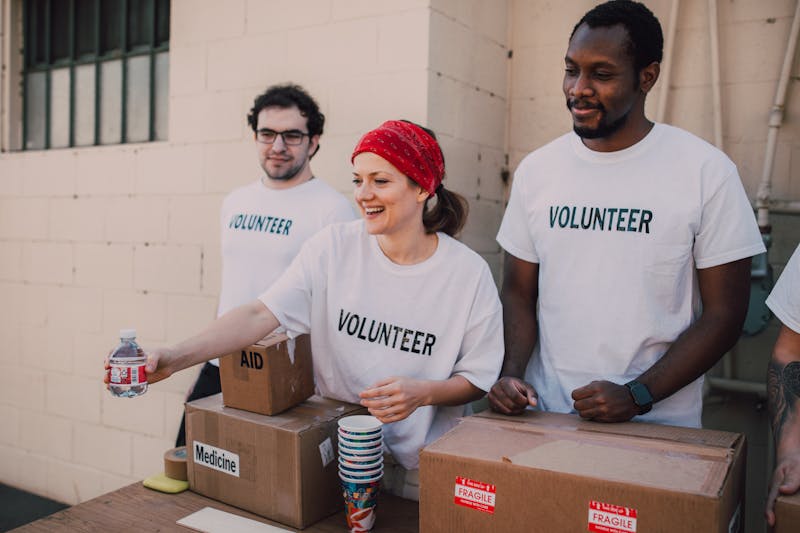
That amplification chain doesn’t require a celebrity. Local press will run a service-member-tribute story almost universally if a unit veteran or family member contacts them with one name, one photo, two paragraphs.
Australian Equivalents: ANZAC and ADF Tribute Bands
Australia has a long tradition of soldier-tribute keepsakes — the Vietnam-era leather wristbands worn by family members, the modern ADF unit identifier bands worn by serving members, the silicone awareness bands sold at ANZAC Day events. The format is identical to the US POW MIA bracelet, just localised:
- ANZAC Day tribute — engraved with a fallen soldier’s name + unit + dates
- Returned-services-club fundraiser — bulk silicone bands sold at meat raffles and trivia nights
- Battalion deployment band — whole-unit bands worn during a single deployment
- Veteran mental-health charity — wristbands for Soldier On, Mates4Mates, RSL DefenceCare drives
See the Branding category for product options and the Fundraising category for veteran-cause bulk pricing.
Running a Modern POW MIA / Veteran-Cause Fundraiser
The proven format for a ,000-5,000 veteran cause campaign:
- Choose one specific service member or one specific cause (Soldier On, RSL DefenceCare, Legacy).
- Get unit/family permission for name and photo use.
- Order 500-1000 custom-debossed silicone bands in service yellow or unit colour.
- Distribute through 4 channels — RSL clubs, ANZAC Day events, sports-club partner nights, online via PayID for distant supporters.
- Photograph the cheque presentation — veteran-cause campaigns often get major-paper coverage of the donation.
Read our sports-team tribute campaign template — the structure is nearly identical, just with different cause framing.
The Quiet Commitment Behind the Band
The original Vietnam-era POW MIA bracelet wearers signed an informal pledge: keep the band on until the named service member came home. Many wore the same brass cuff for 20+ years. Modern silicone wristbands don’t demand that level of long-term commitment, but the gesture matters: when you wear a service-member wristband, you carry that one specific name with you in every room you walk into. That’s the same commitment Brennan made walking into his confirmation hearing in 2013, and the same one Australian families make every ANZAC morning.
Closing Thought
Service-member tribute bracelets aren’t marketing. They’re a quiet way for civilians and the veteran community to say: this person mattered, this person matters, and we won’t let the official process forget them. A silicone wristband is the modern descendant of a 1970 brass cuff, and the format works because the gesture is honest. If you’re ordering for a unit, a family, or a school project, the name on the band is the campaign — everything else is logistics.
Frequently Asked Questions
What goes on a POW MIA awareness wristband?
Service rank + name + date of capture or last contact. Optional: branch or unit. The standard veteran community format is one name per band (e.g., “SGT BOWE BERGDAHL · 30 JUN 2009”). Slogans and decorations distract from the name.
Is aluminium or silicone better for a POW remembrance band?
Aluminium dog tags suit the traditional military aesthetic and last 10+ years. Silicone wristbands are softer, more comfortable for daily wear, and cheaper at scale. Many veteran families own both — aluminium for parades, silicone for everyday.
Can I make custom wristbands for a deployed Australian battalion?
Yes — custom debossed silicone wristbands are commonly used for ADF unit identifiers during deployment. Standard 100-piece minimum at .50- per band. Engrave unit number, deployment year, motto. Many families also order spare bands so partners and parents can wear matching identifiers during the deployment window.
Are donations from a veteran cause wristband fundraiser tax-deductible in Australia?
If the recipient is a registered DGR charity (Soldier On, RSL DefenceCare, Legacy, Mates4Mates), the donation portion is deductible. Direct-to-veteran-family donations are not. State this transparently on the counter card.
Do I need permission from the family or unit to make a service-member tribute wristband?
Yes — always. Use of name, photo, and unit details should be cleared with the family or unit chain of command before launch. Most families say yes, but some prefer privacy; respecting that decision is non-negotiable.

Written by
Founder, Handband
Founder of Handband; specialist in custom wristbands and promotional products for events, schools, charities, and brands.
← Previous
Sixth Grader Selling Bracelets for a Friend with a Brain Tumour: How Childhood Cancer Fundraisers Work (2026)
Next →
Bracelets CONNect to Cut Out Violence: How Community Anti-Violence Wristband Campaigns Work (2026)
Comment(s)