
The Psychology of Student Recognition
Motivation in education is a complex and deeply personal force. Research in positive psychology consistently shows that recognition — genuine, specific acknowledgement of effort or achievement — is one of the most powerful drivers of continued engagement. Students who feel seen and valued are more likely to persist through challenges, develop intrinsic motivation, and achieve at higher levels.
Physical tokens of recognition carry a special weight that verbal praise alone cannot match. A wristband worn on the wrist is visible to peers, parents, and teachers throughout the day. It is a tangible, persistent reminder of achievement that digital badges or paper certificates simply cannot replicate.
Reward Wristband Programs That Actually Work
The Accumulation Model
Students collect wristbands of escalating colours or styles as they reach milestones. Bronze for completing a reading challenge, silver for consistent homework submission, gold for term-long academic excellence. The visual progression motivates students who haven't yet reached the highest tier while celebrating those who have. It creates a community-wide conversation about achievement.
The Behaviour-Specific Model
Rather than general achievement, issue wristbands for specific positive behaviours: helping a classmate, demonstrating leadership, showing kindness, or persisting through difficulty. This model catches students being good in ways that grades don't reflect, recognising the student who quietly helped a struggling peer rather than just the top academic performer.
The Subject-Specific Model
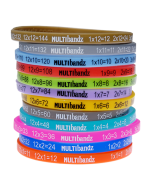
Individual teachers issue wristbands within their subject area. A maths teacher issues a Multibandz times tables wristband when a student masters their multiplication facts. A science teacher issues a wristband when a student completes all lab competencies. This creates subject-specific pride and tangible evidence of skills mastered across multiple domains.
Recommended for you
Products related to this article
Hand-picked to go with what you just read.
Educational Wristbands That Teach While They Motivate
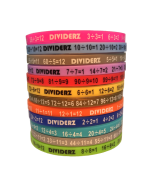
A unique category of wristbands serves a dual purpose: they recognise achievement AND deliver curriculum content. Multibandz mathematics wristbands, for example, contain times tables or division facts that students can reference during study and practice with during spare moments. These wristbands transform idle time — the bus ride home, waiting in line — into learning opportunities.
Students who earn an educational wristband through a maths achievement program are far more likely to actually use it than a student who is simply given one. The earned status of the wristband increases its perceived value. Browse our educational wristbands for schools.
Classroom Management Through Wristband Systems
Monitoring Emotional Wellbeing
Emotion wristbands allow students to signal their emotional state without the vulnerability of verbal disclosure. A student chooses their emotion wristband at the start of the day. The teacher can glance across the classroom and immediately see which students may need support — without singling anyone out or requiring public emotional disclosure. This system is particularly valuable in classrooms with students who struggle to verbalise their feelings.
Group Roles and Responsibilities
Colour-coded wristbands assign classroom roles: group leader, materials manager, recorder, presenter. Rotating these roles weekly, with the wristband as the visible assignment, ensures every student experiences each role and understands what is expected. It also eliminates the confusion of "who is the leader this week?" with a simple visual answer.
Building School-Wide Recognition Culture
Individual classroom programs are powerful, but school-wide recognition systems create culture. Assembly-based wristband presentations, where students are publicly acknowledged in front of the whole school, create moments of genuine pride. Peer-nominated wristbands — where students nominate classmates for recognition — extend the system beyond teacher judgment and teach students to value contributions in others.
When wristbands become visible throughout a school, they create a shared language of achievement. Students ask each other what their wristband means, which starts conversations about what the wearer accomplished. This organic peer conversation is the most powerful form of recognition spreading. See our full product range and fundraising options for school event tie-ins.
Tips for Implementation
- Define criteria clearly before launching any program — ambiguity breeds inequity
- Ensure every student has a realistic path to earning recognition, not just high achievers
- Celebrate the first recipients publicly to establish the program's significance
- Refresh wristband designs or colours termly to maintain novelty
- Involve students in designing the criteria for higher-tier recognition
- Brief parents on the program so they can reinforce recognition at home
The Impact on Student Wellbeing
Beyond academic outcomes, recognition programs contribute meaningfully to student wellbeing. Students who feel recognised and valued report higher school connectedness, lower anxiety about academic performance, and greater willingness to take creative risks. These wellbeing outcomes have downstream benefits for attendance, behaviour, and long-term educational engagement.
A simple coloured wristband, presented with sincerity and consistency, becomes far more than a piece of silicone. It becomes a symbol of belonging, effort, and growth — values that last long beyond the classroom.
Starting Your School Wristband Program
You don't need a large budget or complex infrastructure to begin. Start with a single class or year group. Define three clear criteria for wristband earning. Order a small initial supply. Launch with a brief but genuine celebration. Observe how students respond, gather teacher feedback, and expand based on what you learn. Most schools that pilot wristband recognition programs extend them school-wide within a semester.
Frequently Asked Questions
What age group benefits most from wristband reward programs?
Wristband programs are effective across a wide age range, from early primary through to senior secondary. Younger students (ages 5-10) respond strongly to tangible tokens of any kind. Older students (ages 11-17) respond better when the wristband carries genuine peer recognition value — so the criteria must be meaningful and well-communicated.
How do you prevent wristband programs from becoming demotivating for non-recipients?
Ensure the criteria are achievable for all students with effort, not just the naturally gifted. Recognise a wide range of contributions — academic, social, creative, and physical. Set individual improvement goals rather than comparative ones. When recognition is genuinely inclusive, non-recipients are motivated rather than excluded.
What educational wristbands are available for maths?
Multibandz times tables wristbands contain all multiplication facts for a specific number. Dividerz wristbands cover division. Students earn them by demonstrating mastery and can use them as study tools. They are particularly effective for students who struggle with rote memorisation and benefit from tactile, on-hand reference.
How often should wristband criteria be refreshed?
Review criteria termly. Introduce new wristband designs or colours each term to maintain novelty. Allow students to accumulate multiple wristbands across different criteria — the collection itself becomes a point of pride and visible evidence of diverse achievements.

Written by
Founder, Handband
Founder of Handband; specialist in custom wristbands and promotional products for events, schools, charities, and brands.
← Previous
How Wristbands Keep Your Family Safe on Holiday: Travel ID, Beach Safety, and Resort Tips
Next →
How to Recognise Health Awareness Days in Your Organisation: Campaigns, Wristbands, and Engagement Ideas
1 Comment(s)
Leon
Jul 04, 2021 11:25
Hello. Hope you are well. I would like to know the costing of these bands.