The Ultimate Branding Checklist: How Custom Wristbands and Promotional Products Build Your Brand Identity

Why a Branding Checklist Is Your Most Important Marketing Tool
Building a strong brand is one of the highest-leverage things any business or organisation can do. Yet it is also one of the most commonly misunderstood disciplines. Many organisations think of branding as a logo design exercise — pick a name, choose some colours, create a mark, and you're done. In reality, branding is far broader and more continuous than that. It encompasses every touchpoint a customer or stakeholder has with your organisation, from your website to your team's behaviour at events to the promotional products you hand out at trade shows.
A branding checklist helps ensure that all of these touchpoints are consistent, intentional, and aligned with the identity you want to project. Inconsistency — different colours on your website versus your promotional materials, a logo that looks different at different sizes, messaging that varies between channels — erodes trust and makes your brand feel amateur, even if the underlying product or service is excellent.
This guide takes you through the essential elements of a brand identity checklist, with a particular focus on how physical branded products — including custom wristbands, keychains, and accessories — extend and reinforce your brand into the real world.
Step 1: Define Your Brand Foundation
Before any visual or physical branding decisions, you need clarity on the non-visual elements that underpin everything else:
- Brand purpose: Why does your organisation exist beyond making money? What problem do you solve?
- Brand values: What principles guide how you operate? These should feel genuinely held, not aspirational platitudes.
- Brand personality: If your brand were a person, how would they speak, behave, and present themselves?
- Target audience: Who are you trying to reach, and what matters most to them?
- Brand promise: What can customers reliably expect from every interaction with you?
These foundations inform every downstream branding decision. Without them, visual and physical branding choices are arbitrary — you're picking colours and products you like rather than ones that communicate something specific to your audience.
Step 2: Build Your Visual Identity System
Your visual identity is the system of visual elements that make your brand immediately recognisable:
Logo
Your logo is the cornerstone of your visual identity, but it should be simple enough to work at any size — from a tiny wristband or keychain to a large banner or billboard. Test your logo at small scale before committing to it. If it becomes illegible below a certain size, simplify it.
Colour Palette
Specify your brand colours in multiple formats: HEX (for digital), CMYK (for print), RGB (for screen), and Pantone (for physical products). Consistency across these formats ensures your brand colour is reproduced accurately whether it's on a website, a business card, or a silicone wristband. This Pantone specification is especially important when ordering custom promotional products. Explore our branding accessories to see how colour options work in physical products.
Typography
Specify one or two typefaces and define how they are used (headings, body, captions). Consistent typography across all brand materials creates a strong sense of professional cohesion. Choose typefaces that reflect your brand personality — a playful sans-serif communicates something very different from a classic serif.
Step 3: Physical Brand Extensions — Where Promotional Products Fit
Your brand doesn't live only on screens or paper. Physical branded products extend your identity into the real world, creating tactile brand experiences that digital channels cannot replicate. This is particularly important at events, in retail environments, and in any context where physical presence matters.
The checklist for physical branded products should include:
- Colour accuracy: Does the product colour match your Pantone specification as closely as possible?
- Logo placement and size: Is the logo legible at the size it appears on the product?
- Product quality: Does the product feel premium enough to reflect well on your brand?
- Recipient relevance: Will the recipient actually use this product? Does it fit their lifestyle or daily habits?
- Brand consistency: Does this product feel like it belongs to the same brand as your other materials?
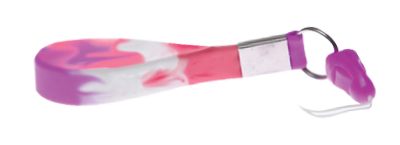
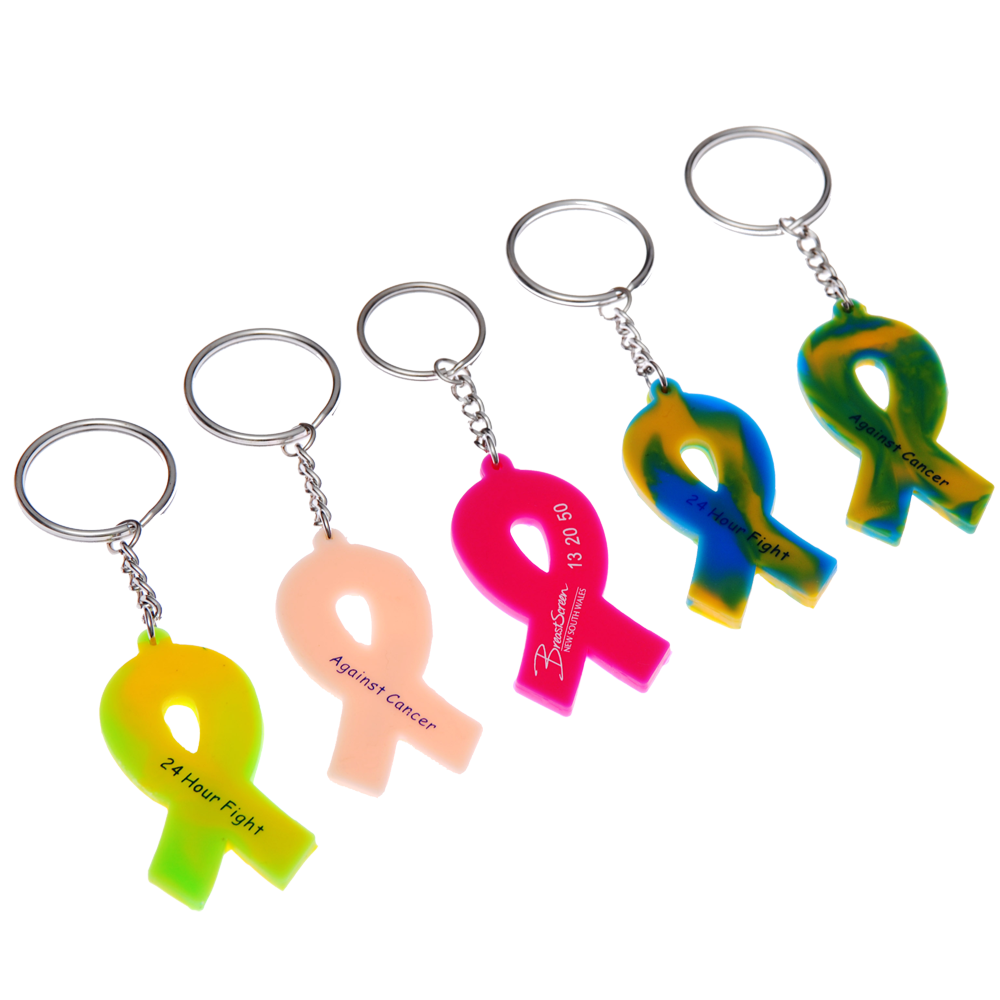
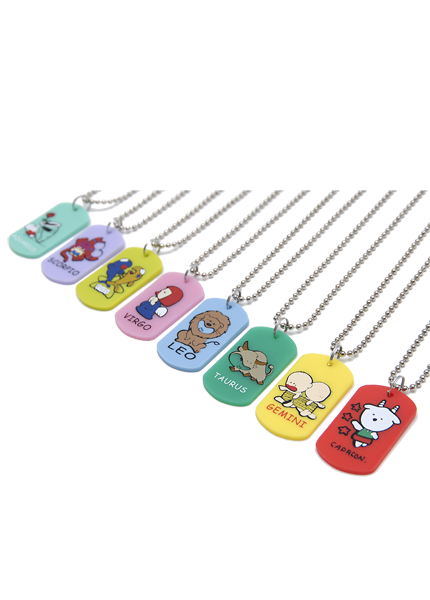
Custom silicone accessories — keychains, wristbands, dog tags — score highly across all of these criteria. They can be colour-matched with precision, logoed clearly, and produced in quantities that fit almost any budget.
Step 4: Brand Consistency Across All Touchpoints
The most common branding failure is inconsistency. When your website uses one shade of blue, your social media uses another, your printed materials use a third, and your promotional products use a fourth, the cumulative effect is a brand that feels unpolished and untrustworthy — even if each individual touchpoint looks fine in isolation.
Create a brand standards document (sometimes called a brand guide or style guide) that specifies:
- Correct and incorrect logo usage (including minimum sizes and exclusion zones)
- Exact colour codes in all formats
- Typography rules and hierarchy
- Tone of voice guidelines for written communications
- Photography and imagery style
- Approved product suppliers and specifications for branded merchandise
This document becomes the single source of truth for anyone creating branded materials — internal team members, external designers, and promotional product suppliers alike. For more ideas on how to build your physical brand presence, explore our full product range and our fast-delivery branding options.
Frequently Asked Questions
What should be included in a brand identity checklist?
A complete branding checklist covers brand foundation (purpose, values, personality), visual identity (logo, colours, typography), written tone of voice, digital presence (website, social media), and physical brand extensions (promotional products, signage, packaging). Consistency across all of these elements is the goal.
How do custom wristbands and keychains help build brand identity?
Physical branded accessories extend your brand into the real world, creating daily brand touchpoints for recipients. When produced in your exact brand colours with your logo, they reinforce visual identity at every use. They are also social — worn or carried in public, they generate brand impressions beyond the original recipient.
How important is Pantone colour matching for promotional products?
Very important. Pantone matching ensures your brand colour is reproduced consistently across physical products, regardless of the material or printing process. Without Pantone specifications, colours can vary significantly between suppliers and materials, undermining brand consistency.
What is the difference between a brand guide and a brand checklist?
A brand guide (or style guide) documents all brand specifications for use by creators of brand materials. A brand checklist is a practical tool for reviewing whether a specific piece of work or product meets brand standards. Both are useful — the guide sets the rules; the checklist enforces them.
April 12, 2026

Share on Facebook

Share on X

Share on Pinterest
Comment(s)
Recent Posts