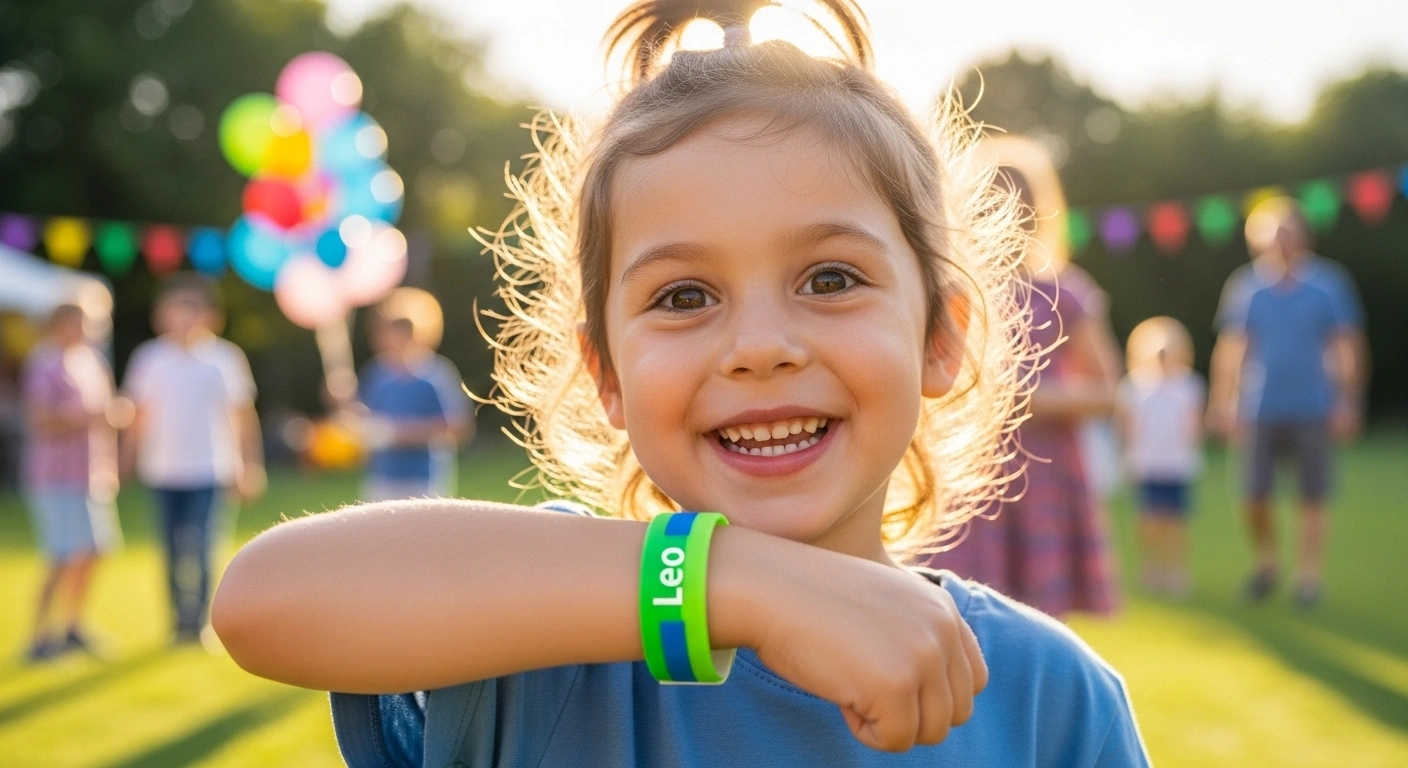
How to Organise a Sports Tournament: Planning, Wristbands, and Team Management Tips
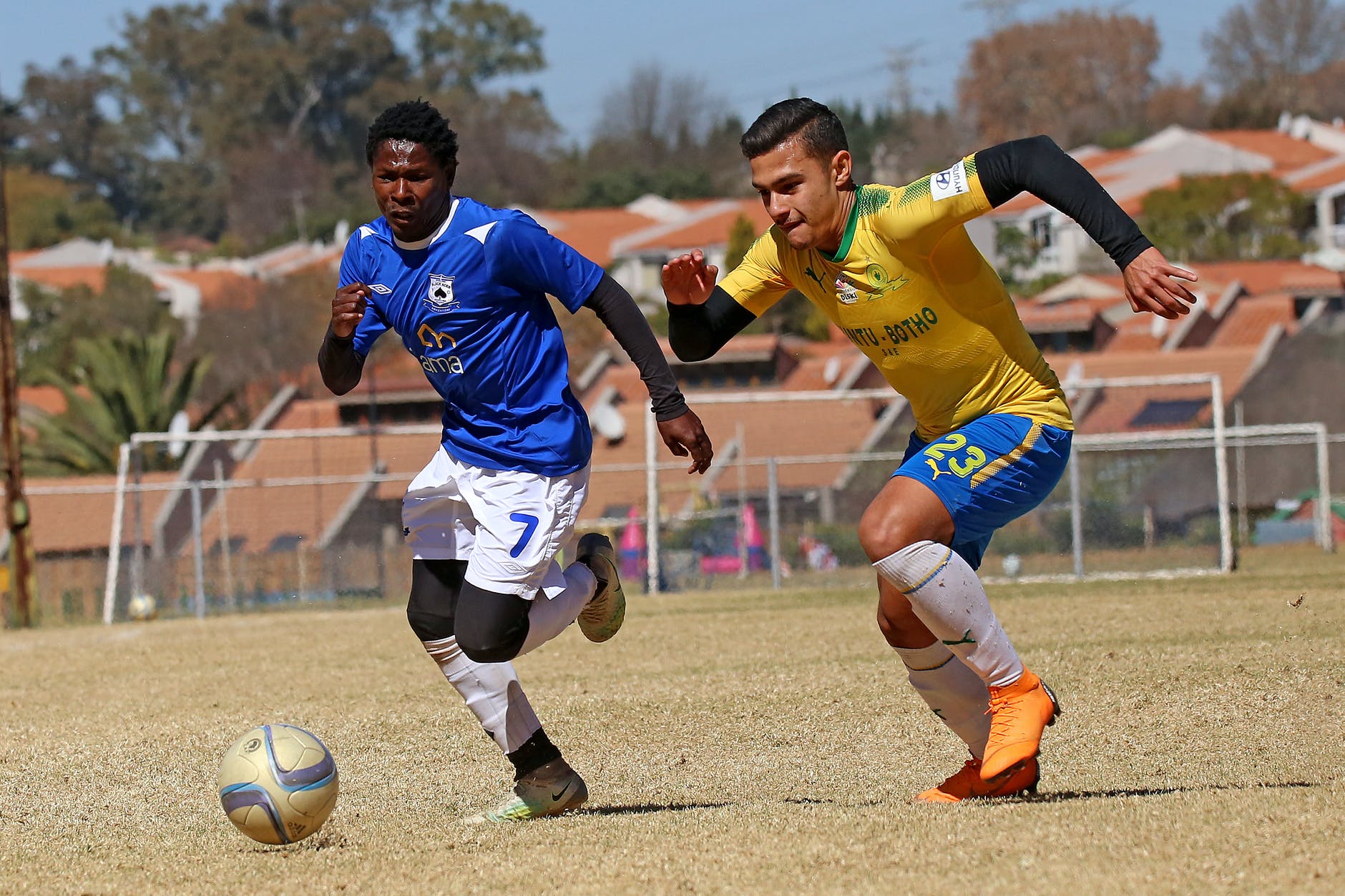
Why Planning Makes or Breaks a Sports Tournament
Whether you’re organising a local footy round, a corporate soccer challenge, or a multi-day tennis event, the difference between a chaotic day and a memorable one comes down to preparation. A sports tournament brings together players, volunteers, spectators, officials, and vendors — all at once, all in one place. Managing that successfully demands structure, clear communication, and the right tools.
One of the most underrated tournament tools? Wristbands. From colour-coding teams to managing venue access, wristbands simplify logistics in ways that clipboards and spreadsheets simply cannot. In this guide, we walk through every stage of tournament planning — and how wristbands play a role at each step.
Setting the Foundation: Venue, Format, and Budget
Before you confirm a single booking, you need to answer three foundational questions: Where will the tournament be held? What format will it follow? And how much do you have to spend?
Choosing Your Venue
Consider the number of teams, the space required per game, parking, toilet facilities, and whether you need covered areas for spectators. Multi-field venues work well for round-robin formats, while single courts suit knockout brackets. Always visit the venue before booking — photos rarely show the full picture.
Deciding on a Tournament Format
Common formats include round-robin (all teams play each other), single elimination (one loss and you’re out), double elimination (two losses before elimination), and Swiss-style (paired by performance). Round-robin is ideal for events focused on participation; single elimination suits large draws or time-limited events.
Building a Realistic Budget
Include venue hire, equipment, staffing, first aid, prizes, signage, catering, and merchandising. A common mistake is underestimating volunteer coordination costs — printing schedules, communication tools, and identification materials (including wristbands) add up.
Team Management: Registration, Draws, and Communication
Smooth team management begins well before the tournament day. Use an online registration platform to collect team names, player numbers, emergency contacts, and payment. Confirm registrations via email and send detailed briefing packs one week before the event.
Creating the Draw
Software tools like Challonge or TournamentSoftware automate draw generation and handle seeding. For smaller events, a manual draw works fine — just ensure seeded teams are spread across the bracket and avoid placing rivals or teammates in the same early group.
Communicating With Teams
Send schedule updates, map links, parking instructions, and dress code reminders via email. Create a WhatsApp group for day-of updates. Assign a team liaison volunteer for each group of 4-6 teams to handle last-minute questions and ensure timely warm-ups.
If you’re hosting multiple age groups or divisions, colour-coding teams with custom wristbands by division makes identification effortless for staff and officials on the day.


Using Wristbands to Manage Access and Team Colour-Coding
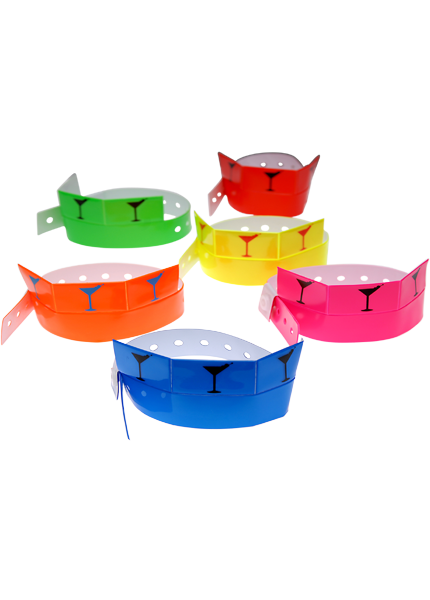
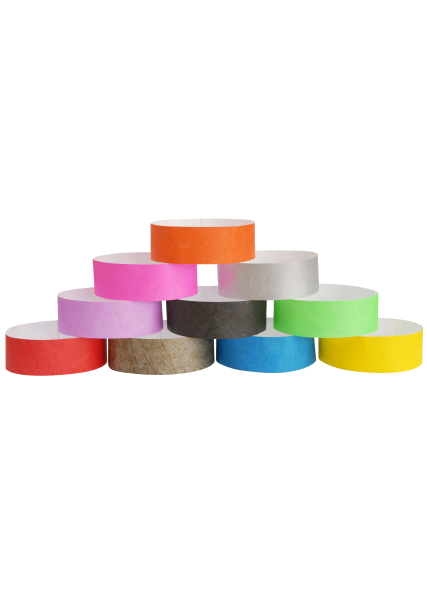
Wristbands are a tournament organiser’s best friend. Assign a different colour per division, team, or access tier, and your ground staff can identify players, officials, volunteers, and VIPs at a glance. This reduces the need for lanyards, badges, or paper passes — all of which get lost within the first hour.
Access Zones
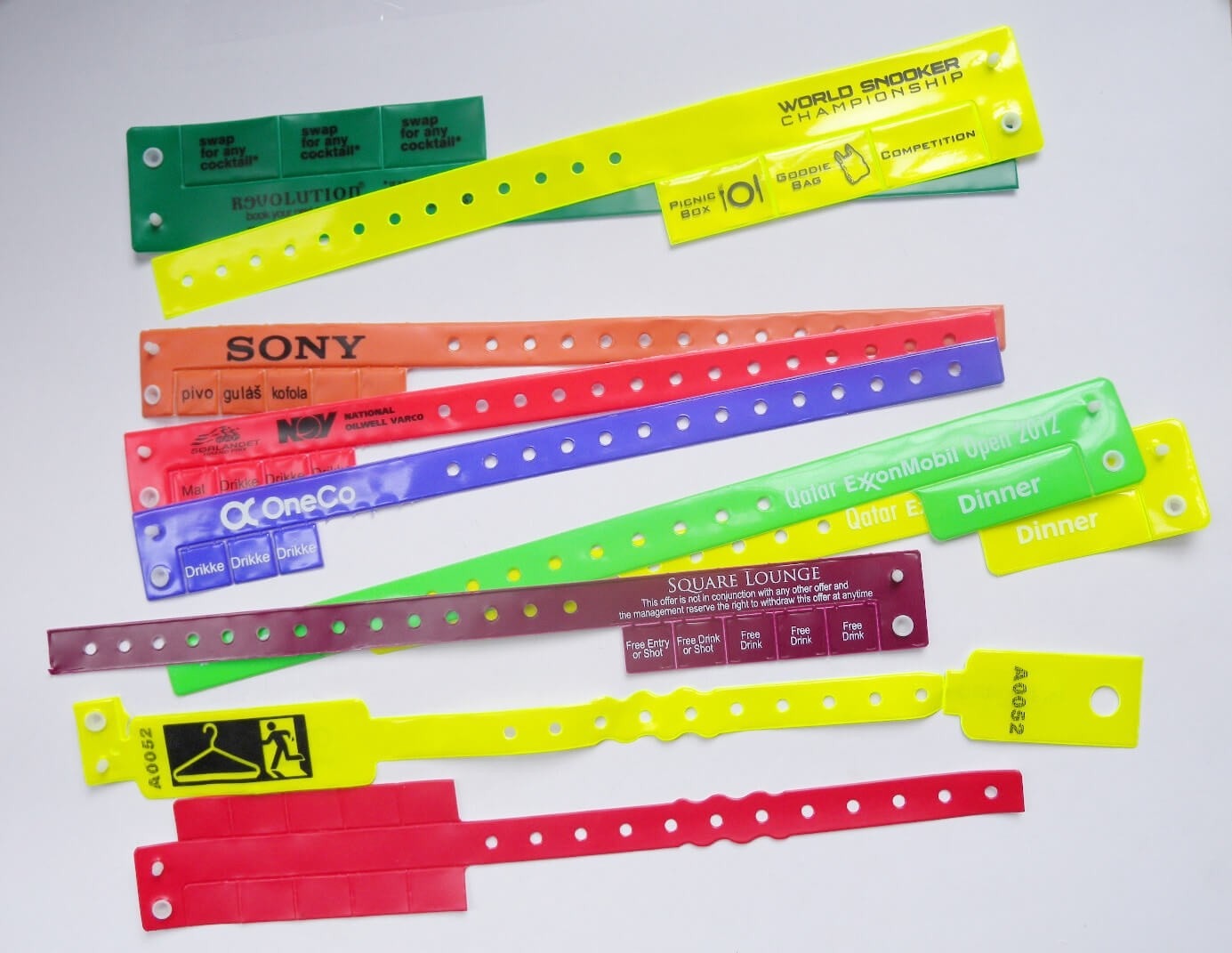
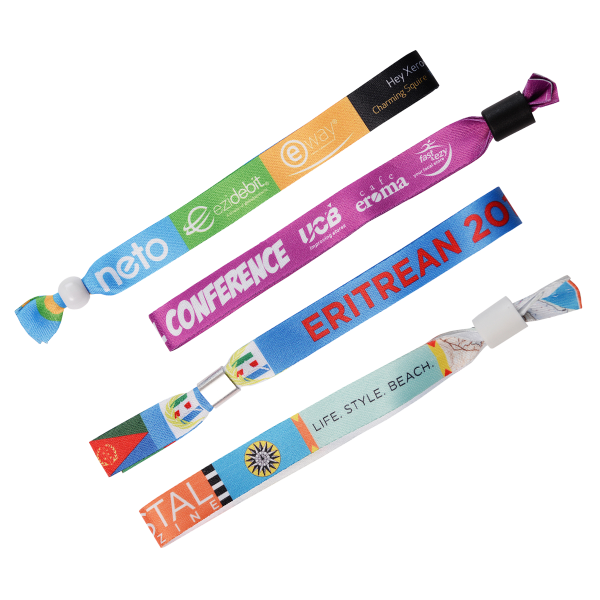
Use wristbands to differentiate general admission, player areas, officials only zones, and VIP enclosures. Tyvek wristbands are ideal for single-day events, while fabric bands suit multi-day tournaments. PVC wristbands offer extra durability and a premium feel for longer events or finals weekends.
Team Colour Assignments
Print team names directly on silicone or fabric wristbands, or simply assign a colour per team from a blank range. Colour-coded event wristbands reduce disputes at check-in, help volunteers identify stragglers, and create a cohesive visual feel for your tournament brand.
Rewarding Participants
LED wristbands are an increasingly popular prize for winners, particularly for youth events and night tournaments. They double as a memorable keepsake and generate great social media content when photos are shared after the event.
Catering, Safety, and Volunteer Coordination
Even the best bracket means nothing if your catering runs out, a player is injured without access to first aid, or volunteers don’t know their roles. Plan each of these areas in detail.
Catering and Token Systems
For events with pre-paid meal packages, token wristbands prevent overclaiming at food stalls. Each player receives a wristband with a detachable tab — staff tear off a tab per meal or drink claimed. It’s a simple, tamper-proof system that speeds up service and reduces food wastage.
First Aid and Emergency Planning
Confirm a first aid provider is present for the full duration of the event. Provide all first aid staff with a map, team roster, and emergency contact list. Wristbands that include medical information fields are particularly useful for youth tournaments — parents can write allergy or medication notes directly on the band.
Volunteer Management
Assign each volunteer a role, a radio channel (or WhatsApp group), and a coloured staff wristband. Colour differentiation — e.g. blue for ground staff, red for officials, yellow for catering — removes confusion during busy moments when verbal confirmation isn’t always possible.
Post-Tournament Wrap-Up and Feedback
The tournament isn’t over when the final whistle blows. A strong wrap-up process ensures your next event is even better.
Collect feedback via a short post-event survey — ask participants to rate registration, scheduling, venue, catering, and overall experience. Review volunteer debrief notes and compare your actual budget to estimates. Photograph key moments (including wristbands and access zones) for use in future promotional material.
Store all tournament materials — brackets, schedules, supplier contacts, and wristband orders — in a shared folder for your organising committee. Building a repeatable system makes each subsequent tournament faster to plan and smoother to run.
Ready to start sourcing supplies? Explore our custom branding wristbands range for team and event identification.
Frequently Asked Questions
How far in advance should I order wristbands for a sports tournament?
Order at least 2-3 weeks before your event to allow for production and delivery. Custom printed wristbands take longer than blank stock. Always order 10-15% extra to account for late registrations, replacements, and staff requirements.
How many wristband colours do I need for a tournament?
It depends on your access tiers and team structure. At minimum, use one colour per access level (e.g. player, official, spectator, VIP) plus one per division if you are colour-coding teams. For most tournaments, 3-6 colours covers all needs.
Can I use the same wristbands for multiple days of a tournament?
Fabric and silicone wristbands can last multiple days. Tyvek wristbands are designed for single-day use. For multi-day events, consider fabric wristbands with a barrel lock closure, which stay secure overnight without needing replacement.
What information should I print on tournament wristbands?
Keep it simple: team name or code, division, and access tier. For youth events, consider adding a phone number field so lost children can be reunited with their guardians quickly. Avoid printing personal data that should remain private.
April 12, 2026

Share on Facebook

Share on X

Share on Pinterest
Comment(s)
Recent Posts