Anti-Bullying Wristbands: How Friendship Bracelets Stop Bullying in Schools
By Handband Community Team · Handband
Updated 15 May 2026 · 12 min read
Updated 15 May 2026 · 12 min read
Updated May 2026. Anti-bullying wristbands and friendship bracelets have become one of the most visible school anti-bullying tools across Australia, the US, UK and NZ. Worn daily, they act as conversation starters, visual commitments to kindness, and rallying symbols for awareness days like the National Day of Action Against Bullying and Violence (held annually on the third Friday of March).
This guide shows how to design, distribute and use anti-bullying wristbands as part of a full school anti-bullying program — from awareness day events to year-round Buddy Programs and kindness campaigns. Includes design templates, pricing, partner activities and references to the latest Australian and international anti-bullying research.
Why Wristbands Work in Anti-Bullying Programs
Visible peer commitment
When 100 students in a year-level all wear the same anti-bullying band, kindness becomes the norm and bullying becomes the outlier. The band is a daily reminder of the pledge each student made.
Conversation starter
Kids notice the band on a peer's wrist, ask "what's that for?", and the wearer explains. Each conversation reinforces the program and spreads to a wider circle.
Tangible token of belonging
Kids who feel disconnected or are targets of bullying gain a visible symbol that they're part of the kindness community. Particularly powerful for new students, transferring students or those who've experienced bullying.
Long after the awareness day
Posters come down. Speakers leave. But the wristband stays on for weeks or months after — ongoing reinforcement that a one-day workshop can't achieve.
Australian Anti-Bullying Statistics
- 1 in 4 Australian students reports being bullied at school (eSafety Commissioner 2024)
- 52 percent of young people aged 12-18 have experienced cyberbullying
- Bullying victims are 3 times more likely to report mental health issues
- Year 7-8 is the peak bullying age group
- Schools with structured anti-bullying programs see a 20-25 percent reduction in reported incidents (Cross et al. 2018)
Anti-Bullying Awareness Days to Plan Around
National Day of Action Against Bullying and Violence (AU)
Third Friday of March. Organised by Bullying No Way. Schools nationwide hold activities, wear orange, and run kindness campaigns.
Pink Shirt Day (NZ + global)
Third Friday of May in NZ, second Wednesday of April in Canada. Students wear pink shirts and/or pink wristbands to stand against bullying.
Unity Day (US October)
Mid-October. National Bullying Prevention Month. Students wear orange (the anti-bullying awareness colour).
International Day of Pink
Second Wednesday of April. Founded after a homophobic bullying incident in Canada. Now observed globally.
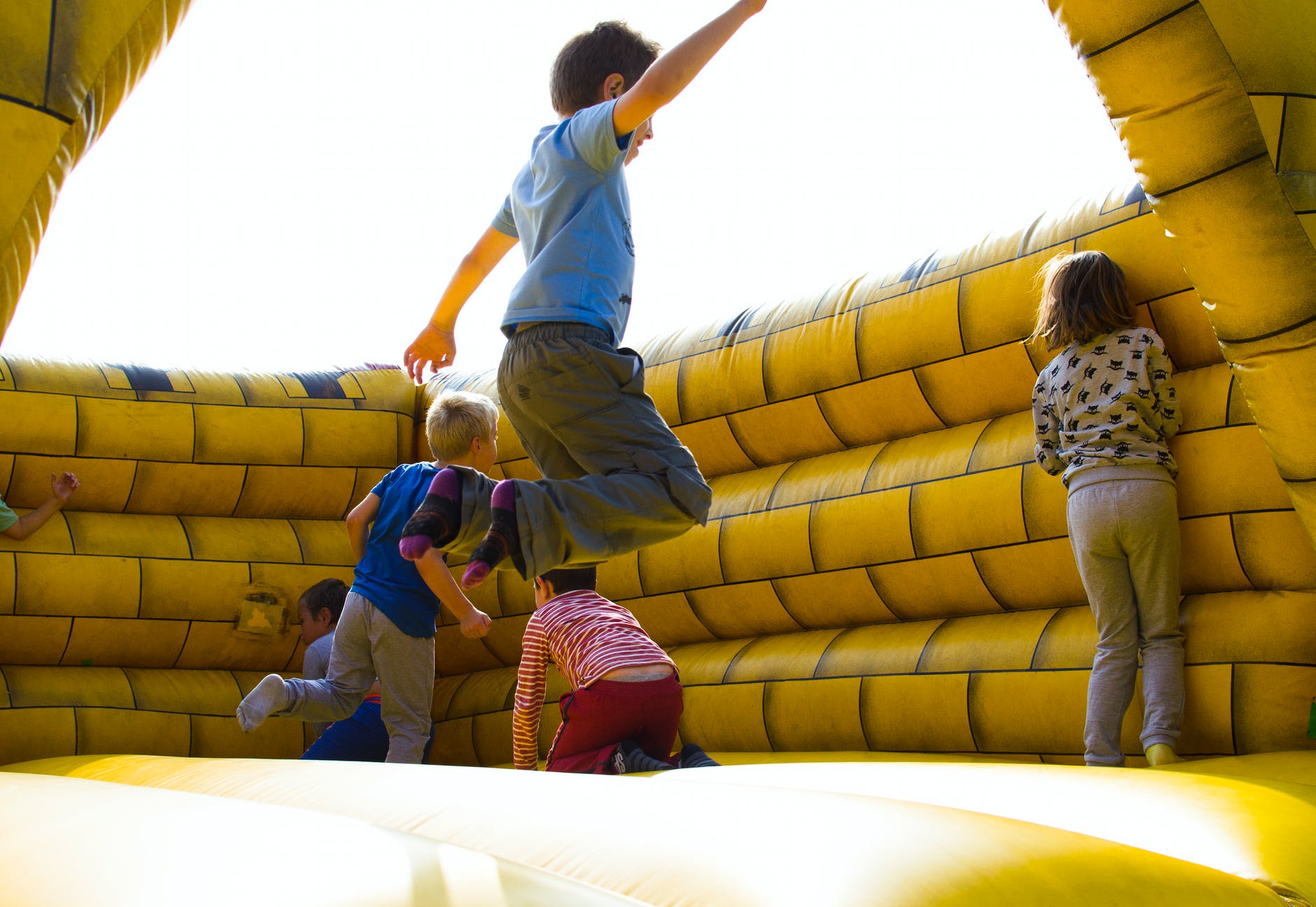
Anti-Bullying Wristbands for School Campaigns
Bands kids actually wear — signal kindness, build school-wide culture, fund awareness programs.


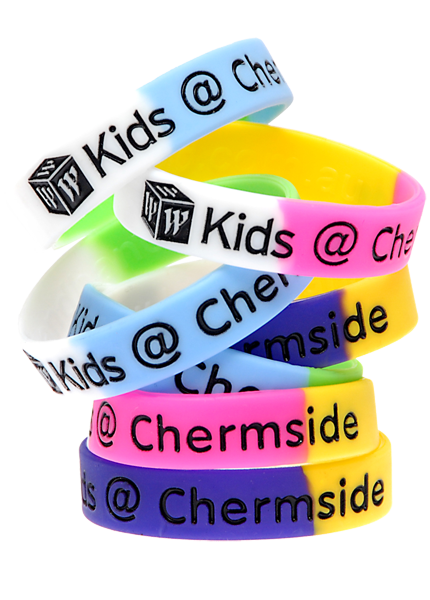
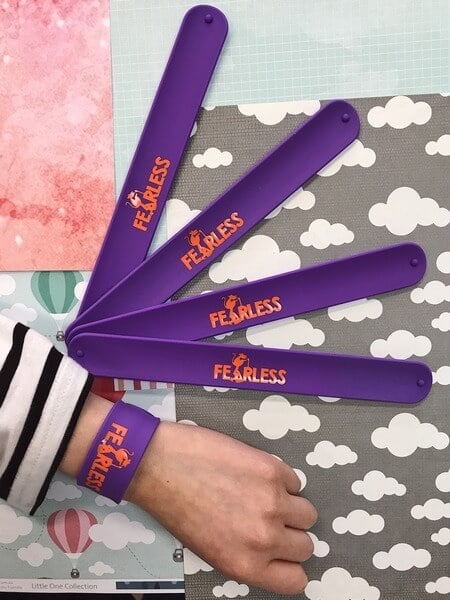

Design Your School Anti-Bullying Wristband
Message options
- STOP BULLYING
- BE KIND
- STAND UP / STAND OUT
- CHOOSE KINDNESS
- INCLUDE EVERYONE
- BUDDY UP
- KINDNESS COUNTS
- ONE TEAM, ONE SCHOOL
Tip: positive framing (BE KIND) outperforms negative framing (DON'T BULLY) in behavioural psychology research. Focus messaging on the behaviour you want to encourage.
Colour selection
- Orange — international anti-bullying awareness colour
- Purple — widely used for kindness and inclusion campaigns
- Pink — for Pink Shirt Day events
- Blue — mental health awareness (often co-themed)
- Rainbow / multi-colour — for inclusion-focused campaigns and Day of Pink events
- School colour — reinforces school identity + the anti-bullying message in one band
Sizing
Primary schools: Kids (165 mm) or Youth (180 mm) size. Secondary schools: Adult Standard (200 mm). Order 5-10 percent extra in larger Adult Large size for older students with bigger wrists.
Anti-Bullying Program Ideas
1. The Kindness Pledge + Wristband
At an assembly, all students sign a kindness pledge. Each signatory receives an anti-bullying wristband. Hold a photo moment where everyone holds up their wristbanded wrist. Share on school social channels.
2. Buddy Program with band signal
Year 6 students mentor Year 1 students. Both wear a matching wristband colour for the term. Builds older-student responsibility and gives younger students a visible mentor.
3. Kindness Karma cards + wristband reward
Students nominate peers who've done something kind. The nominated student receives a Kindness Karma card and a special-colour wristband worn for a month. Recognises pro-social behaviour publicly.
4. Friendship Bracelet making workshop
Combine custom silicone bands with DIY friendship bracelet workshops. Students make friendship bracelets for classmates they don't usually interact with. Builds new social connections deliberately.
5. House-colour kindness competition
Each house earns "kindness points" for nominated acts of kindness. Winning house gets a special edition house-colour wristband at end of term. Combines school-spirit with anti-bullying messaging.
6. Buddy Bench + wristband signal
Place a designated "Buddy Bench" at recess. Any student sitting there is signalling they'd like a friend to join them. Children wearing the anti-bullying band are trained to look out for the Buddy Bench and invite the student to join an activity.
7. Anti-bullying fundraiser sale
Sell wristbands at $5 each at the school canteen. Proceeds fund the school's wellbeing program, an external speaker (like ReachOut Australia), or donations to Kids Helpline. Doubles as fundraiser + awareness builder.
Classroom Activities Combined with Wristbands
Empathy mapping
Students work in pairs to map the feelings someone might have when bullied. Each pair earns a wristband when they present their map to the class.
Role-play scenarios
Pre-written bullying scenarios (online, in person, exclusionary). Groups act out positive responses. Each correctly-handled scenario earns a kindness band.
Storytelling and reflection
Students write about a time they witnessed kindness OR a time they wished they'd acted differently. Bands are given when stories are shared safely.
Online safety + cyberbullying
Combine wristband program with eSafety Commissioner resources on cyberbullying. Students earn bands by completing the eSafety Schools modules.
Engaging the Whole School Community
Teachers wear them too
Staff modelling the band signals it's not just a kids thing. Teachers wearing the same band as students reinforces the cultural value.
Parents and carers
Distribute a smaller pack of bands to parents at the school gate for awareness day. Parents wearing them at after-school pickup extends the message into the home and community.
Sports coaches and external mentors
Coaches of school sports teams, after-school programs and instrumental music tutors all wear the band. The kindness message follows the child across all parts of school life.
Measuring Program Impact
Track incident reports
Anonymous incident reporting systems (such as Bullying No Way's ATSIS tool or school-built forms) measure reported bullying before and after the program. A 20-25 percent reduction is realistic for well-implemented programs.
Wellbeing survey before/after
Short termly survey: "Do you feel safe at school?", "Have you witnessed bullying recently?", "How easy is it to ask for help?". Compare results term-over-term.
Visible band-wear rate
Count what percentage of students are wearing the band 2, 4 and 8 weeks after distribution. Wear rate is a leading indicator of program engagement.
Where to Get Australian Support
Government and authority resources
- Bullying. No Way! — the national hub, free resources, posters and activity sheets
- eSafety Commissioner — cyberbullying reporting + school resources
- Kids Helpline 1800 55 1800 — free counselling 5-25 year olds
- Lifeline 13 11 14 — 24/7 crisis support
- Headspace — youth mental health support
Speakers and external programs
Brainstorm Productions, Project Rockit, Life Ed, Real Schools, Cool Australia — all offer dedicated anti-bullying speaker programs for Australian schools.
Related Reading
- Wristbands for Young Children: Safety, Learning, ID & Reward Ideas
- Wristband Colour Meanings: Mental Health, Cancer & 30+ Cause Colours
- School Fair Planning Guide: 30+ Hacks & Stall Ideas
- Shop custom silicone wristbands
References & Further Reading
- eSafety Commissioner (2024) — Cyberbullying and Online Safety in Schools Report.
- Bullying No Way (2024) — National Day of Action Against Bullying and Violence Toolkit.
- Cross, D. et al. (2018) — Australian Covert Bullying Prevalence Study. University of Western Australia.
- Kids Helpline (2024) — Annual Insights Report on Bullying Calls.
- Pink Shirt Day NZ — School Programme Implementation Guide.
- Olweus, D. (2010) — School Bullying: Development and Prevention. Cambridge University Press.
Frequently Asked Questions
Quick answers from the Handband team
How do anti-bullying wristbands work in schools?
Anti-bullying wristbands act as a visible commitment to kindness and a conversation starter. Students earn or receive a band when they make a pledge against bullying, and wearing it daily reinforces the value. The band also signals to peers and teachers who participates in the program, building a shared sense of community.
What colour is the anti-bullying awareness wristband?
Orange is the most common anti-bullying awareness colour (used by Unity Day and STOMP Out Bullying campaigns in October). Purple is also widely used. Some Australian campaigns use blue or rainbow / multi-colour bands to symbolise inclusion. Pick a colour that matches your school's existing branding or chosen awareness day.
When is Anti-Bullying Awareness Day in Australia?
The National Day of Action Against Bullying and Violence is held annually on the third Friday of March (organised by Bullying No Way). The International Day of Pink is on the second Wednesday of April. Pink Shirt Day in NZ is on the third Friday of May. Plan wristband orders 3-4 weeks ahead.
How do you start an anti-bullying program at school?
Begin with a single awareness day: have students sign a kindness pledge, distribute wristbands to participants, and hold an assembly. Build from there to year-round Buddy Programs (older students mentor younger ones), Kindness Cards (students nominate peers for positive behaviour), and termly themed wristband colours that signal program milestones.
What should a school anti-bullying wristband say?
Strong message options: STOP BULLYING, BE KIND, STAND UP, CHOOSE KINDNESS, INCLUDE EVERYONE, BUDDY UP, BANDS FOR KINDNESS. Pair with school name + year on a second line. Keep messages positive (focus on the behaviour you want, not the behaviour you're opposing) — psychologists confirm positive framing produces better behavioural outcomes.
How much do bulk school anti-bullying wristbands cost?
Custom debossed silicone wristbands cost $1.50-$3.00 per band at 100-500 units, $1.20 at 1,000+ units. Pre-printed awareness bands (Say No to Bullying) are around $1-$2 per unit. Tyvek paper bands for single-day events from $0.30 each. Most schools fund campaigns from the parent association or via a $5-$10 student wristband sale.
Do friendship bracelets actually reduce bullying?
Research from anti-bullying programs (StandUp Foundation, Bullying No Way) shows visual symbols like wristbands work best as one element of a multi-part program — not alone. Bands trigger peer-to-peer conversations, signal who is part of the kindness culture, and remind students of the commitment they made. Combined with classroom education and reporting systems, they contribute to measurable reductions in incident rates.
Feb 27, 2012

Written by
Founder, Handband
Michael founded Handband to give event organisers, charities, sports clubs, and brand teams a simpler way to source custom wristbands and promotional products. The team has supplied wristbands to festivals, schools, fundraisers, and corporate activations world-wide.

Share on Facebook

Share on X

Share on Pinterest
Comment(s)