
By Handband Community Team
· Updated 17 May 2026
· 11 min read
A great school fair runs on three things: a clear plan, a small army of volunteers, and a few smart hacks that save the planning team from the death-by-spreadsheet trap. Done well, a single fair day can raise $5,000–$50,000 + for the P&F, build community goodwill and become the social event of the school year.
This guide gives you a full school-fair planning playbook — the 12-week timeline, the stalls that always print money, the ticketing and wristband hacks that cut queues in half, and the volunteer-management tactics that stop your committee burning out.
The 12-Week School Fair Planning Timeline
Three months out is the sweet spot for school fair planning. Less than 8 weeks and you will scramble; more than 16 weeks and volunteers lose momentum.
Weeks 12–10: Foundations
- Confirm the date with the principal and school calendar.
- Set a fundraising target ($X per family attending).
- Recruit a 6-person core committee with clear roles.
- Apply for the local council permit (food, alcohol, amplified sound).
Weeks 9–7: Sponsors and stalls
- Send sponsorship letters to local businesses ($250–$2,500 packages).
- Confirm the stall mix (15–25 stalls is the sweet spot).
- Book external attractions (jumping castle, petting zoo, food trucks).
- Open volunteer sign-ups online.
Weeks 6–4: Marketing and logistics
- Launch social-media promotion (3 posts per week).
- Send the first parent newsletter with the fair flyer.
- Order wristbands, tickets and stallholder signage.
- Confirm site map (power outlets, water, toilets, first aid).
Weeks 3–1: Pre-sales and final prep
- Run a 7-day pre-sale wristband discount (15 percent off).
- Brief volunteers in person at one sit-down meeting.
- Print the volunteer schedule and laminate the site map.
- Run a bump-in walkthrough on the morning of the fair.
Ticketing and Wristband Hacks That Cut Queues in Half
Use coloured wristbands instead of paper tickets
Paper tickets get lost, dropped in the mud and tear when wet. Wristband tickets in tyvek (single-use) or silicone (reusable) are scanned visually at the gate of each ride or stall, cutting transactions per minute from 4 to 12.
Sell a single all-day pass
Bundle 10 rides into a $25 wristband. Families pay once, kids run free, parents stop queueing at every stall. Boosts ride utilisation by 60 percent vs per-ride tickets.
Colour-code by stall type
Red wristbands for rides, blue for food, green for activities. Volunteers see at a glance what a family has paid for. Use printed tyvek wristbands ordered in bulk for $0.30 each.
Pre-sell wristbands to lock in revenue
Online pre-sales 2 weeks before the fair convert at 35–50 percent of enrolled families. Even with a 15 percent discount, you collect cash before the day, hedge against bad weather and shrink gate-day queues.
Recommended for you
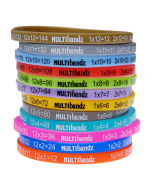
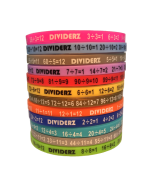
Products related to this article
Hand-picked to go with what you just read.

Stalls That Always Make Money at a School Fair
Cake stall — the cash machine
Ask each family in years K–6 to donate two items. With 400 families that is 800 cakes. Price at $3–$8 each and net $2,500 + on a $0 cost base.
Plant and produce stall
Parents donate seedlings, herbs and excess vegetables. Sell jars of homemade jam alongside. Earnings: $400–$900 with very little volunteer time.
Showbags and lucky dip
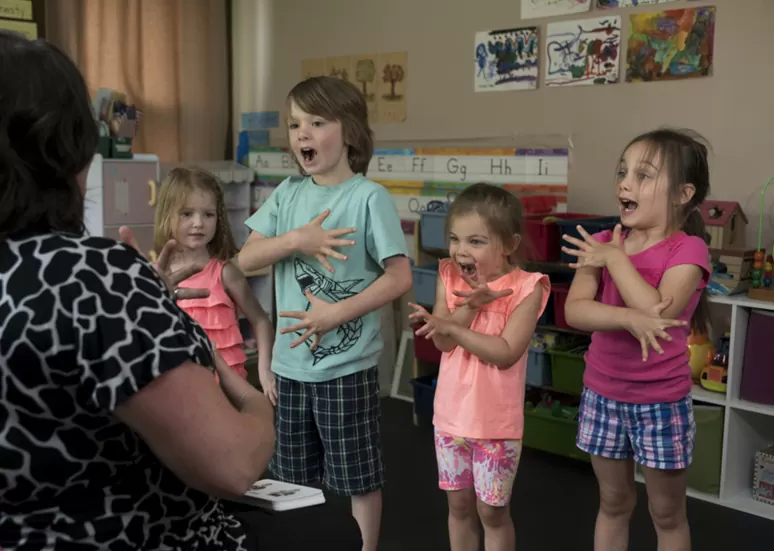
Bundle small sponsor giveaways (Bakers Delight vouchers, $5 sports shop credits) into $5–$10 showbags. Kids love the surprise; sponsors love the brand exposure.
Silent auction tent
Request 30 high-value donations from sponsors: spa treatments, restaurant vouchers, weekend getaways. Set minimum bids and watch parents bid against each other. Typical haul: $5,000–$15,000.
BBQ and food trucks
Self-run BBQ nets $3–$5 per sausage sandwich at scale. Food trucks pay you $200–$500 per stall to attend and need zero parent volunteer hours.
Kid-run craft stall
A class makes 200 pieces of art in the lead-up. Sell each for $5–$10 and the entire class shares a contribution to the fair total. Builds engagement and gives kids a takeaway memory.
Attractions That Pull Families to Your Fair
Jumping castle and inflatable obstacle course
Hire cost $400–$800 for the day. Charge $5–$10 per kid per session. Run it on wristbands to make queueing simple.
Animal petting zoo
Booking fee $300–$500. Photo opportunities draw families and social-media shares help marketing for next year.
Face painting and temporary tattoos
Two volunteers can clear $400 in a 4-hour shift at $5 per face. Mark each painted child with a coloured wristband so the next stall knows they have already paid.
Sports challenges and target games
Coconut shy, basketball shoot-out, soccer-goal target. Easy to run with 1 volunteer and a leaderboard. Charge $2 per turn.
Sponsorship Hacks That Convert Local Businesses
Build tiered packages
Bronze $250, Silver $500, Gold $1,000, Platinum $2,500 +. Tier the benefits: logo on flyer, signage at stall, MC mention, gold-tier stall location near the main entry.
Pitch the audience, not the cause
Local businesses sponsor for brand exposure to 600–2,000 local families. Lead with that number, not the school's funding needs.
Offer in-kind alternatives
Coffee carts donate 200 free drinks for volunteers in exchange for stall placement. Print shops donate flyers for logo placement. Both swap reduce your cash outlay.
Send the ask early and follow up twice
Most sponsorship cheques come from follow-ups, not the initial letter. Two emails plus a phone call converts 25–40 percent of warm contacts.
Volunteer Management Hacks
Recruit families, not individuals
Ask each enrolled family to commit one 90-minute shift. With 400 families that is 600 volunteer hours — more than you need.
Use a online sign-up tool
SignUpGenius or Volunteer Hub stops the volunteer coordinator from chasing emails. Parents pick their slot, get an automatic reminder, and check in via wristband on the day.
Print volunteer wristbands in a separate colour
Volunteers wear a gold or fluoro wristband so attendees know who to ask for help. Costs $0.30 per band when ordered in bulk.
Feed your volunteers
A dedicated volunteer table with coffee, water and snacks costs $150 and triples the chance they sign up for next year's fair.
Marketing the Fair on Zero Budget
Use the school's existing channels first
School newsletter, class Facebook groups, the school app, classroom-door posters. These already reach your highest-converting audience.
Run a 7-day pre-fair social blitz
Daily posts countdowns, stall previews, sponsor shout-outs. Boost two posts with a $30 ad spend each — local geo-targeting reaches non-school neighbours.
Set up a community letterbox drop
Year-6 students can letterbox a 4-block radius in 2 hours. Targets neighbours who don't follow school socials. Lift in non-parent attendance: 15–25 percent.
Get the local newspaper or community blog on board
Pitch a 200-word story with one good photo. Most community papers will run it word-for-word in the events section.
Common School Fair Mistakes to Avoid
Don't run cash at every stall
Cash floats get stolen, miscounted and lost. Central ticket booths or wristband-based entry collapse this risk and speed up purchases.
Don't over-program the day
3-hour fairs convert at $X per family. 6-hour fairs burn out volunteers and lose half the crowd by hour 4. Aim for a tight 4-hour window.
Don't forget the weather plan
Have a wet-weather backup space (hall, undercover area). Communicate the call by 7 a.m. on the day via the school app.
Don't skip the post-fair debrief
Run a 60-minute debrief 1 week later. Document what worked, what didn't, and the running total. Next year's committee will thank you.
Frequently Asked Questions
How long does it take to plan a school fair?
Plan for 12 weeks. Less than 8 weeks creates panic; more than 16 weeks loses volunteer momentum. Weeks 12–10 are foundations, 9–7 sponsors and stalls, 6–4 marketing and logistics, 3–1 pre-sales and final prep.
What is the easiest way to handle entry tickets at a school fair?
Use coloured wristbands instead of paper tickets. Single-use tyvek wristbands cost about $0.30 each in bulk and can be visually checked at the gate of each ride, cutting transaction time from 4 to 12 stalls per minute.
How much money should a school fair raise?
A well-run primary school fair typically raises $5,000–$15,000 net. Larger fairs with strong sponsorship and a silent auction can clear $30,000–$50,000. Set your fundraising target as dollars per enrolled family ($25–$100 is realistic) and work backwards from there.
Which stalls make the most money?
The cake stall, silent auction and showbags are the consistent top earners. A well-stocked cake stall on $0 cost base can net $2,500. A silent auction with 30 sponsor donations typically clears $5,000–$15,000. Showbags net 60–70 percent margin per bag.
How do you get sponsors for a school fair?
Send tiered sponsorship packages (Bronze $250, Silver $500, Gold $1,000, Platinum $2,500+) to local businesses 7–9 weeks before the fair. Pitch the audience size (600–2,000 local families) not the cause. Follow up twice — most cheques come from follow-ups.
How many volunteers does a school fair need?
A 400-family primary school fair needs roughly 60 volunteer slots across the day. Ask each enrolled family for one 90-minute shift and you will easily clear the requirement. Use a online sign-up tool (SignUpGenius, Volunteer Hub) so volunteers self-select shifts and get automatic reminders.
What should I do if it rains on fair day?
Have a wet-weather backup space (hall, undercover walkway) booked in advance. Communicate the call by 7 a.m. via school app, Facebook and email. Move inflatables and outdoor stalls into the hall. Most attendees still come if you commit to a clear plan early in the day.

Written by
Founder, Handband
Founder of Handband; specialist in custom wristbands and promotional products for events, schools, charities, and brands.
← Previous
What Are Corporate Gifts? A Guide to Branded Accessories That Impress Clients and Build Loyalty
Next →
Coffee Cup Bands and Food Promotional Products: Creative Branding Ideas That Travel With Every Cup
Comment(s)