
Team building activities for work, schools and clubs
Designed in Sydney since 2004 · 4.9★ verified customer rating · Custom bands from 4 per design
Quick answer
Good team building activities are short, inclusive and low-pressure, and they suit the group you have. The reliable ones are icebreakers and quizzes for the office, problem-solving games for mixed groups, and active challenges or charity events for bigger teams. Whatever you pick, the practical bit is splitting people into teams quickly — colour-coded wristbands do that in seconds and keep each team easy to spot all day.
Team building works best when the activity fits the people in the room, the time you have and the space you are in. A five-minute icebreaker suits a weekly stand-up; a half-day challenge suits an offsite; a charity event suits a whole company or club. The list below is grouped that way, so you can pick by your group rather than scrolling through hundreds of ideas.
There is also a practical side most lists skip: how you actually run the teams on the day. We cover that at the end, because it is usually where a good plan falls apart.
What are good team building activities?
The best team building activities are easy to join, do not single anyone out, and have a clear point — whether that is solving a problem together, having a laugh, or raising money for a cause. Below are ten that work across offices, schools and clubs, sorted by the kind of group they suit.
| Activity | Best for | Group size |
|---|---|---|
| Two truths and a lie | Icebreaker, new teams | Any |
| Office trivia or quiz | Quick, in-house fun | 10–50 |
| Escape room or puzzle box | Problem-solving | Small teams |
| Scavenger hunt | Active, mixed groups | Any |
| Cook-off or bake-off | Offsites, collaboration | Small teams |
| Sports day or relay | Active, large groups | Large |
| Charity challenge or fun run | Purpose-led, whole org | Large |
| Volunteering day | Values, community | Any |
| House or colour-team carnival | Schools, clubs | Large |
| Workshop or skills swap | Learning, remote teams | Any |
Quick icebreakers and energisers.
If you have five or ten minutes at the start of a meeting, keep it light and inclusive. Two truths and a lie, a quick-fire quiz, a "show and tell" of something on your desk, or a one-word check-in all warm a group up without putting anyone on the spot. These work just as well over video for remote teams, where a shared online whiteboard or a quick poll keeps everyone involved.
Problem-solving games.
For groups that need to work together under a little pressure, problem-solving beats small talk. Escape rooms, puzzle boxes, build challenges (the classic marshmallow-and-spaghetti tower), and "survival" scenario games all give a team a shared goal and a deadline. Keep teams small — four to six people — so everyone contributes, and mix departments or year groups so people work with someone new.
Active and outdoor team challenges.
Bigger groups and offsites suit something active: a scavenger hunt around the city, a sports day with relays and tug-of-war, an amazing-race format, or an outdoor obstacle course. Active days are also the easiest place to bring in colour teams, because people need to know at a glance who is on their side — more on that below.
Purpose-led: charity challenges and volunteering.
Some of the best team building has a point beyond the team. A charity fun run, a fundraising challenge or a volunteering day builds the same bonds and gives people a reason to show up. It doubles as community goodwill, and it is a natural fit if your organisation already supports a cause.
See fundraising ideas for teams and clubs →
Team building for schools and clubs.
Schools and sporting clubs run team building through house days, carnivals, camps and orientation weeks. The colour-team format does the heavy lifting: split the group into houses or colours, run a series of rotations or relays, and tally points across the day. It scales from a single class to a whole-school carnival, and it gives every student a team to belong to.
How to split and run your teams on the day.
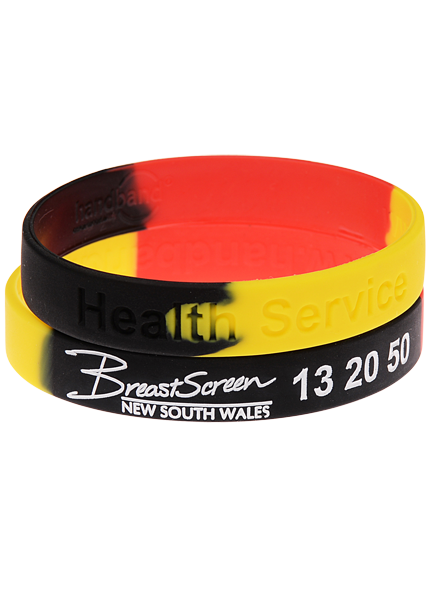
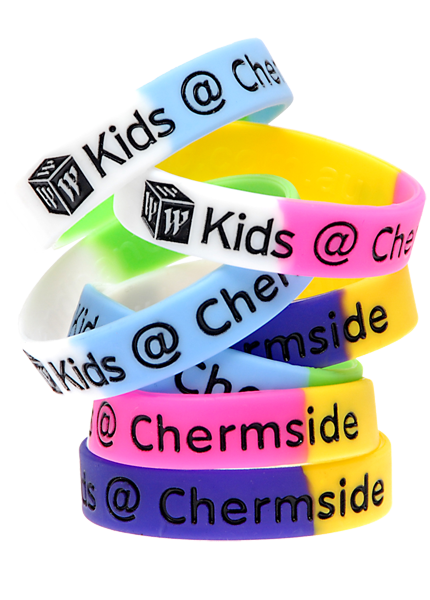
The practical problem with any team activity is the same: getting people into teams fast, and keeping them straight once the day gets busy. A colour-coded wristband solves both. Hand each person a band as they arrive, one colour per team, and the group is sorted in seconds — no lanyards to read, no name lists. Facilitators can see every team at a glance, and the bands double as the entry pass for catering or a venue.
Custom silicone bands start from a minimum of four per design, so you can run as many team colours as you need, and add your company, school or club name if you want a keepsake. Tyvek bands suit a one-day event at lower cost. Lead time depends on quantity — typically 10 to 14 business days, with larger runs taking longer and quicker turnarounds available on application — so order once your date is set.
Design colour-team wristbands →
How to run a team building day in five steps.
- Know your goal. Connection, problem-solving, or a reward for a hard quarter — the goal sets the activity.
- Match the activity to the group. Size, fitness, location and budget rule things in or out. Use the table above.
- Make it inclusive. Offer a non-physical option, mix departments or year groups, and avoid anything that singles people out.
- Sort the teams in advance. Decide the split, then use colour wristbands so it happens in seconds on the day.
- Debrief. A few minutes at the end — what worked, one thing to carry back to work — turns a fun day into a useful one.
Team building activities FAQ.
What are some good team building activities?
Good options sorted by group: icebreakers like two truths and a lie and office trivia for quick in-house fun; escape rooms and build challenges for problem-solving; scavenger hunts, sports days and charity challenges for bigger active groups; and house or colour-team carnivals for schools and clubs.
What are some fun team building activities for work?
For the office, a trivia or quiz, a cook-off, an escape room, or a scavenger hunt around the city all work without much set-up. Keep teams small so everyone takes part, and mix departments so people work with someone they do not usually sit near.
Do team building activities actually work?
They help most when the activity is inclusive, has a clear point, and is followed by a short debrief that ties it back to work. A one-off novelty event fades fast; small, regular activities plus the occasional bigger day build trust that lasts.
How do you quickly split a large group into teams?
Hand each person a coloured wristband as they arrive, one colour per team. The group sorts itself in seconds, facilitators can see every team at a glance, and the band doubles as an entry pass. Custom silicone bands start from four per design, so you can run as many colours as you need.
Related reading.
- Fundraising ideas for schools, clubs and causes
- Wristbands for events: the complete guide
- Brand activation wristbands
- Custom wristbands for schools
- Work Christmas party ideas for Australian teams
- Hens party ideas: themes, games and planning
- School fundraising ideas for primary and high schools
Running a team day? Sort the teams in seconds.
Colour-coded custom wristbands split groups instantly and keep every team easy to spot. From four per design, designed in Sydney.
22 years
Designed in Sydney since 2004
From 4 per design
Run as many team colours as you need
Sorted in seconds
One colour per team
Office, school or club
Scales from a class to a carnival