
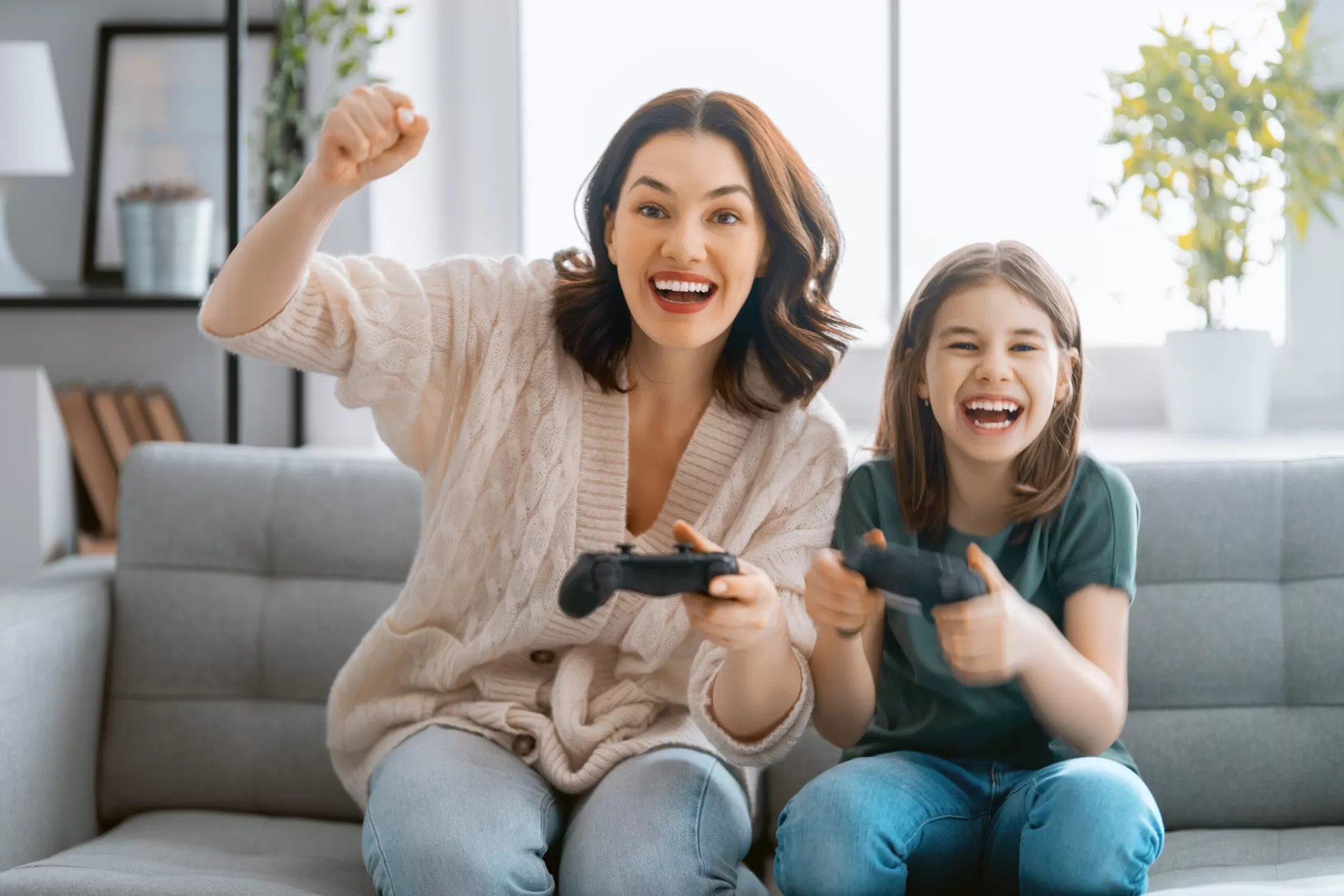
“Mum, I’m bored.” Every Australian parent has heard those four words within the first 90 minutes of a school holiday. The instinctive response — hand the kid a screen — works for about 20 minutes and then resets the boredom counter while adding a bonus dose of guilt.
This post lists what actually works in 2026. Some involve a wristband (we’d be silly not to mention them — they genuinely help). Most don’t. The unifying principle: a small physical object that turns a passive child into an active one is worth a hundred times its cost.
Why “I’m Bored” Is Actually a Good Sign
Child-development researchers (Lyytinen, Singer, et al) have repeatedly shown that boredom is the precondition for creative play. A kid who never gets bored never has to invent the imaginary game. Resist the urge to immediately solve their boredom — sometimes the best parental move is to look up from your laptop, say “huh, sounds like you need to figure something out,” and go back to your laptop.
That said, you can’t do nothing forever. The 5-minute rule we recommend: let them stew for 5 minutes after the “I’m bored” declaration. If they haven’t self-started by then, suggest one option (not three — choice paralysis is real for kids). Move on with your day.
The Wristband-as-Activity Hack
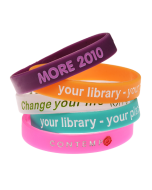
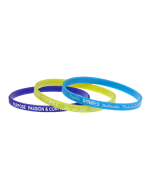
Wristbands aren’t toys. But the act of designing, ordering, and waiting for a custom wristband can fill a surprisingly long gap in a school-holiday stretch.
- Day 1: Let the kid pick a colour and design their own debossed message (5-word limit). Draw it on paper.
- Day 2-3: Let them “present” the design to grandparents or family. The narration loop builds the ownership.
- Day 4: Order online together (let them watch you place the order).
- Day 7-10: Wristband arrives. Mini ceremony. They wear it for the rest of the holiday.
Total cost: -0. Total filled-time: a week of micro-activities. Total kid-pride: high.
Recommended for you
Products related to this article
Hand-picked to go with what you just read.

15 Anti-Boredom Activities Beyond the Wristband
- Backyard scavenger hunt with a written list of 15 items.
- Cardboard fort building from delivery boxes.
- Local library run — free, air-conditioned, kid-friendly.
- Times-tables wristband challenge (see Multibandz CTA above — turns idle time into learning).
- Bake something simple (banana bread is unfailable).
- Paint rocks from the garden — cheap and the kids genuinely enjoy it.
- Treasure-map game — you draw, they hunt.
- Letter to a relative — teaches handwriting and gives the relative a buzz.
- DIY obstacle course in the lounge room with cushions.
- Photo project — give them a phone for an hour and a theme (“round things”, “blue things”).
- Bug observation in the garden with a magnifying glass.
- Family talent show (yes, it’s as cringe as it sounds, kids love it).
- Slap-band art — decorate plain slap bands with permanent marker.
- Indoor camping — tent in the lounge, torch, made-up ghost stories.
- The classic “Yes Day” (within reason) — one whole day where the kid leads.
See our original im-bored-mum article for the wristband-specific take, and the school-holidays full guide for the structured day-by-day plan.
The Lunch-Box Identifier Trick
Boredom hits hardest at the start of school holidays when kids haven’t yet found rhythm. One trick that buys parents 30 minutes of peace: get the kids to design and personalise their own lunch box bands. They’ll happily spend half an hour on it, and the result is a small functional thing they can show off at school the next term.
See our summer kids safety guide for the related “outdoor identification” angle. Browse the Schools category for kid-sized wristbands or Branding category for novelty options.
The 60-Minute Rule for Older Kids
For kids aged 9+, set a 60-minute self-direction expectation. They get 60 minutes of unstructured time to figure out what to do. Then they get 10 minutes of help from you, then back to self-direction. Repeat. By the end of week one, most kids have built their own daily rhythm without you having to schedule them.
The wristband or slap band becomes a useful prop here — some families set it as the “ticket” to ask for help. Once it’s on the kitchen counter, you know the 60 minutes is up. Visual cue, no nagging required.
When Boredom Becomes a Problem
If boredom turns into withdrawal — the kid stops eating, stops engaging with siblings, sleeps a lot — that’s a different signal. School holidays sometimes amplify underlying issues. If you’re seeing more than 3-4 days of withdrawal that doesn’t respond to options, talk to your GP or call Kids Helpline 1800 55 1800.
For most kids though, “I’m bored” is normal, healthy, and the prelude to creative play. Our job as parents is to set up the environment, not solve the boredom for them. The wristband angle is a small wedge into that bigger principle.
Closing Thought
The 90s and early 2000s parents we know managed to raise functional kids without iPads. The kids of 2026 will be fine, too — but only if we resist the screen-as-solution reflex. A wristband isn’t a magic fix, but it’s a useful prop in a much bigger game: teaching kids to entertain themselves.
Frequently Asked Questions
How long should I let my kid be bored before stepping in?
5 minutes is a useful baseline. Boredom is the precondition for creative play, so giving the kid 5 minutes to self-start is healthy. After 5 minutes, suggest one (not three) options and move on with your day.
Are slap bands safe for younger children?
Modern silicone slap bands (post-2010) have a soft outer cover that prevents the cuts the original metal slap bracelets caused. They're safe for ages 4+. For very young children, supervise during play.
Can I personalise a wristband for my kid in small quantities?
Custom debossed wristbands have a 100-piece minimum on most colours. For a single-kid personalisation, choose a blank colour band and write on it with a permanent marker — much cheaper for a one-off.
What's the best wristband for school holiday activities?
Slap bands and custom-colour wristbands work well — they're cheap, kids enjoy decorating them, and they survive outdoor play. Multibandz add a learning element if you want to fold maths revision into holiday time.
Is screen time really that bad for kids?
The Royal Australian and New Zealand College of Psychiatrists guidelines suggest under 2 hours of recreational screen time per day for school-age children. Total avoidance isn't realistic in 2026, but balancing screen with active or creative play is the goal.

Written by
Founder, Handband
Founder of Handband; specialist in custom wristbands and promotional products for events, schools, charities, and brands.
← Previous
Pet Memorial Wristbands & Dog Tag Fundraisers (2026)
Next →
Easter 2026 Australia — Kids Activities & Safety Guide
Comment(s)