

The first thing a trained Australian first aider does on reaching a patient is look at the wrist. St John Ambulance Australia, Red Cross First Aid and HealthCorp training all teach the “DRSABCD” protocol — and the “A” (Airway) check is the moment a visible medical-alert wristband matters most. Craig Pyne, Director of North West First Aid in the UK, summed it up to a Handband editor: “A custom silicone medical wristband is the obvious choice to recommend to delegates who attend our training courses. They offer vital medical information and allow for medical attention to be administered quickly.” This 2026 update of his original 2012 endorsement explains why first-aid trainers across Australia and the UK recommend visible silicone wristbands — and what to look for when ordering one.
Why first aiders look at the wrist first
In the DRSABCD protocol (Danger, Response, Send for help, Airway, Breathing, CPR, Defibrillation), the responder must establish what they are dealing with before delivering treatment. For an unconscious patient with no witness, the wrist is the fastest source of information. A standard scan for a medical-alert bracelet takes under 5 seconds. Found = treatment plan. Not found = guesswork.
Australian Workplace Health and Safety Regulations require workplaces of more than 100 employees to have trained first aiders, and visible medical-alert IDs are now part of the standard training syllabus.
What first-aid trainers actually teach about wristbands
Across the three major Australian first-aid course providers, the visible-ID module covers:
- What to look for — bright-colour silicone band, engraved text, often red or yellow.
- Where to look — dominant wrist, then opposite wrist, then ankle, then a wallet card.
- How to interpret it — condition + medication + emergency contact + allergies.
- What NOT to do based on the alert — e.g. CPR on a DNR patient, food on an unconscious diabetic, water on a swelling airway.
- How to communicate the find — relay verbatim to 000 dispatcher.
Recommended for you
Products related to this article
Hand-picked to go with what you just read.
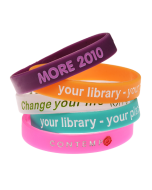
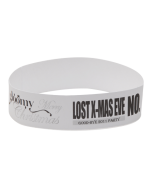
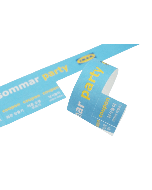
Why silicone, not metal, for personal medical ID
First-aid trainers consistently recommend silicone over metal because:
- Silicone is visible at a glance — bright colour. Metal often slides under sleeves.
- Silicone is comfortable for 24/7 wear — metal pinches and conducts heat.
- Silicone is waterproof — metal corrodes in pool chlorine and the shower.
- Silicone is affordable — people actually wear them. Metal sits in a drawer.
- Silicone is custom-engraved permanently. The deboss/laser does not rub off.
The Handband custom wristband for personal medical ID
Handband’s custom debossed silicone wristband is designed for exactly this use case. From 4 pieces minimum, you choose colour, engrave up to four lines of text, and have it on your wrist within a week.
The other options in the same family:
- Skinny debossed for low-profile daily wear.
- Custom colour silicone in red or yellow for high-visibility alert.
- Fabric woven with barrel-lock for tamper-evidence at events or hospital stays.
What to engrave on your wristband
The four lines that first-aid trainers recommend for personal ID:
- Condition — e.g. TYPE 1 DIABETES, ANAPHYLAXIS NUTS, EPILEPSY, HEART CONDITION.
- Key medication or treatment — insulin name, EpiPen, anticoagulant.
- Emergency contact — name + mobile.
- Critical comorbidity — asthma, hearing-impaired, DNR.
How first-aid training providers use bulk wristbands
First-aid training providers use bulk-customised wristbands for several purposes:
- Trainee identification at multi-day courses.
- Simulation patient bands — trainees triage based on the “patient’s” engraved condition.
- Allergy alerts for catering at large training sessions.
- Course completion bands as a soft graduation marker.
- Refresher-due reminders — engraved with re-cert month.
What Craig Pyne actually said — first-aid trainer perspective
“Mediband is the obvious choice to recommend to delegates who attend our training courses. They offer vital medical information and allow for medical attention to be administered quickly, something which is vital in a first aid situation. Medibands are also durable and fit into a patient’s everyday wardrobe without intruding on their personal style.” — Craig Pyne, Director, North West First Aid (UK)
The same logic applies to Handband’s custom silicone wristband category. Different brand, same product principle.
Handband vs Mediband — what’s the difference?
Mediband sells pre-engraved condition packs — you order “peanut allergy” or “diabetes” in a ready-made bracelet. Handband sells the underlying custom-engravable silicone wristband product — you choose colour, text, size and quantity from 4 pieces up to 50,000. Both work. Choose Mediband if you want a ready-made; choose Handband if you want full control over what’s engraved, or if you’re ordering for a training provider, school, club or event.
First-aid kit and visible-ID combo
Personal first-aid kits should pair with visible ID:
- Custom Handband silicone wristband with personal medical info.
- Two EpiPens for anaphylaxis patients.
- Personal asthma reliever for asthmatic patients.
- Glucose tablets or jelly beans for diabetics.
- Wallet card with emergency contact + condition + medication list.
For schools, clubs and community groups
Schools, sports clubs and community groups can order bulk Handband silicone wristbands engraved with the organisation name plus emergency contact — useful for excursion days, swimming carnivals, multi-day camps, and group events where supervisors need to identify and contact families quickly. Many Australian primary schools order branded Handband wristbands as part of their term-1 health-and-safety induction.
What to do if you find someone wearing a medical-alert wristband
- Check responsiveness using DRSABCD.
- Read the wristband carefully — condition, medication, contact, allergies.
- Call 000 and relay the wristband contents verbatim.
- If the wristband indicates anaphylaxis: ask for or look for an EpiPen (often in bag or pocket). Administer if trained.
- If it indicates diabetes + the patient is unconscious: do NOT give food or fluid. Wait for paramedics.
- If it indicates DNR: communicate to paramedics on arrival. Continue basic care.
- Note any wallet card or pendant for additional info.
Frequently asked questions
Why do first-aid trainers recommend silicone wristbands?
Bright-colour visibility, comfortable 24/7 wear, waterproof, durable, affordable enough that people actually wear them. The metal alternative sits in drawers; the silicone stays on the wrist.
What should be engraved on a personal medical wristband?
Four lines: condition name, key medication or treatment, emergency contact mobile, and any critical comorbidity (e.g. asthma, DNR, hearing impaired).
Where do paramedics look for medical ID?
Dominant wrist first, then opposite wrist, then ankle. Wallet card next. Phone lock screen Medical ID feature is checked after physical bracelets.
Can my first-aid training organisation order bulk Handband?
Yes - from 4 pieces up to 50,000. Custom debossed silicone, custom-printed Tyvek, fabric woven, and lanyards are all available with quick quotes.
What is DRSABCD?
The Australian first-aid protocol: Danger, Response, Send for help, Airway, Breathing, CPR, Defibrillation. Taught in all Australian first-aid courses including St John, Red Cross and HealthCorp.
Should every Australian carry visible medical ID?
Anyone with a life-threatening allergy, type 1 diabetes, epilepsy, severe asthma, heart arrhythmia, anticoagulant therapy or any condition where treatment depends on context should wear one. Trainers strongly recommend it.
Are smartwatches better than wristbands?
No - use as backup. Smartwatch Medical ID requires the responder to know how to access it, plus the battery has to be alive and the watch on the wrist. A silicone band has none of those failure modes.
References
- St John Ambulance Australia stjohn.org.au
- Australian Red Cross First Aid redcross.org.au
- HealthCorp First Aid Training healthcorp.com.au
- Australian Workplace Health and Safety Regulations
- Diabetes Australia diabetesaustralia.com.au
- ASCIA allergy.org.au

Written by
Founder, Handband
Founder of Handband; specialist in custom wristbands and promotional products for events, schools, charities, and brands.
← Previous
School Wristbands: A Practical Solution for Student Identification and Safety
Next →
LED Event Wristbands: How to Create an Interactive Festival Experience
Comment(s)