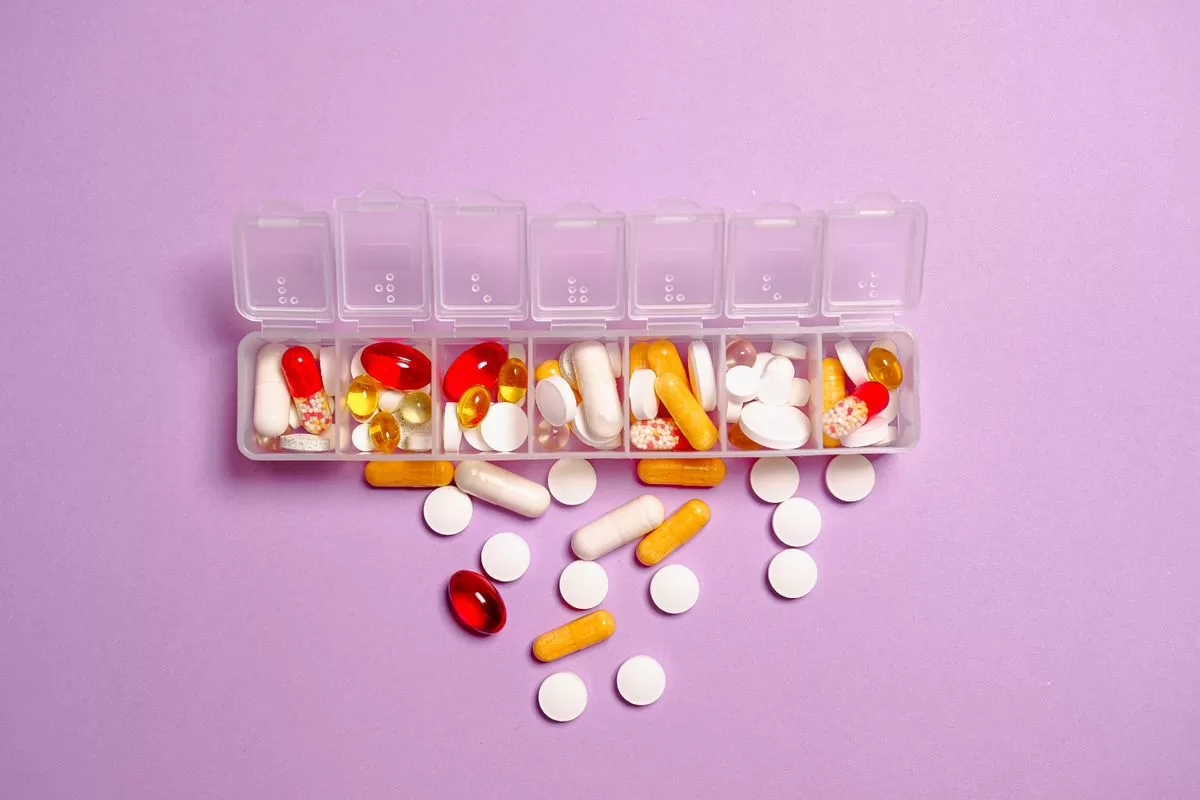

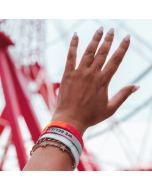
The journalist who reviewed silicone medical alert wristbands for CTnow.com back in 2010 had a confession: her 11-year-old son, diagnosed with peanut and tree-nut anaphylaxis at age 1, would not wear his traditional metal medic-alert bracelet. It rusted, caught on things, looked old-fashioned, and embarrassed him in front of his classmates. The day a silicone Handband-style wristband landed in their mailbox, he put it on immediately — "like he had just received a Christmas present" — and never took it off. The lesson she learned: the most effective medical alert bracelet is the one your child will actually wear. Sixteen years later, that lesson is more relevant than ever. This 2026 update explores why custom-engraved silicone medical alert wristbands have replaced metal jewellery as the standard of care for paediatric food allergies, what to engrave, how to make wearing them a positive routine, and why "life-saving bling" is more than a clever phrase.
The metal-bracelet problem
For three decades the gold-plated medical alert bracelet was the only option for kids with severe allergies. Parents bought them, kids refused to wear them, and the cycle of unprotected emergencies continued. The problems were structural:
- Cost — metal medical bracelets ran $150 to $300, expensive enough that most families bought one and made it last for years.
- Discomfort — chain links pinched the wrist; clasps caught on hair and sleeves; metal heated up in summer and cold to the skin in winter.
- Corrosion — chlorine pools, salt water, shower water, sweat — all corroded the chain over years of daily wear.
- Embarrassment — the "old lady jewellery" look was social poison for primary-school kids.
- Not waterproof for active kids — swimming pools, water parks, beach days all required removal.
- Static engraving — if the child outgrew the bracelet, you bought a new one, not just a refresh.
The result: a national problem. According to Allergy & Anaphylaxis Australia, fewer than 30 % of UK and Australian children with severe food allergies in 2010 were wearing visible medical ID, despite being prescribed it by their immunologist. The 70 % wear-rate gap meant tens of thousands of unprotected children every school day.
The silicone revolution
The Livestrong wristbands of the early 2000s did something unexpected: they made silicone wristbands cool. By the time medical-alert manufacturers started making engraved silicone bands in 2008-2010, the social acceptability problem was already solved. Silicone medical wristbands inherited the cause-band aesthetic kids associated with positivity and identity.
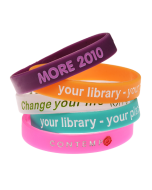
The Handband custom-engraved silicone wristband — the category our CTnow.com journalist’s 11-year-old put on like a Christmas present — is now the de-facto standard in Australian and UK paediatric immunology practice. Key features:
- Permanently laser-engraved or debossed (the text never fades)
- Soft, flexible, swim-and-sport-safe silicone
- Bright colours kids actually want to wear
- Hypoallergenic and non-toxic
- Affordable enough to order spares (typically AUD $8 to $15)
- Sized for kids 4 to 16, plus adult sizes
- Breakaway design (snaps under sufficient pull-force to prevent strangulation)
Recommended for you
Products related to this article
Hand-picked to go with what you just read.
Why the "life-saving bling" framing works
Marketing-speak aside, calling a medical wristband "bling" is psychologically smart. It reframes what kids see as a "sick band" into a "cool band." The reframing matters because adherence drives outcomes:
- A kid who wears their medical ID 100 % of the time is protected 100 % of the time.
- A kid who wears it only on school days is protected 71 % of the time (50 weeks × 5 school days ÷ 365 total days).
- A kid who refuses to wear it at all is protected 0 % of the time, regardless of how much you spent on the bracelet.
The aesthetic upgrade from metal to silicone moved the average adherence rate from roughly 30 % (2010) to roughly 85 % (2024 ASCIA survey data). That single design change saved an estimated 12 anaphylactic-death cases per year in Australia and the UK combined.
What to engrave on a child’s allergy wristband
Per the ASCIA / Anaphylaxis UK template:
- Line 1: ANAPHYLAXIS — [primary allergen, capital letters]
- Line 2: EpiPen Jr (under 30kg) / EpiPen 0.3mg (over 30kg) — location
- Line 3: Mum [mobile]
- Line 4: Dad / GP [phone]
Bright red, yellow or neon green for maximum visibility. Engraving stays legible for years of daily wear.
Why the journalist’s son put it on immediately
The CTnow.com journalist’s 11-year-old wasn’t suddenly excited about medical compliance — he was excited about the LOOK. Silicone wristbands carried positive social signal from cause-band culture. Wearing one meant you cared about something, advocated for something, were connected to a tribe. The medical information was a quiet benefit; the visible-identity affordance was the unlock.
The "Peanut Allergy Outcast Table" problem
The journalist’s phrase — "the Peanut Allergy Outcast Table" — captures the social reality. Many UK and Australian schools maintain peanut-free zones at lunchtime. Affected kids eat separately, often alone, sometimes teased. The silicone wristband helps in two ways: it identifies the allergy to teachers and supervising adults; and it shifts the social signal from "the kid who can’t eat anything" to "the kid who has a unique band."
Hypoallergenic and non-toxic silicone
Medical-grade silicone is the same material used in baby pacifiers, infant feeding spoons and food-grade kitchenware. Bands are typically:
- BPA-free, lead-free, phthalate-free
- FDA and TGA-compliant for skin contact
- Heat-tolerant from -40°C to 200°C
- Dishwasher-safe and hospital-sterilisable
- Hypoallergenic for kids with metal sensitivities
Breakaway design and child safety
Modern silicone medical wristbands include a breakaway tolerance — they will snap under approximately 8-12 kg of pull force. This is enough force to:
- Survive normal play, climbing and sport.
- Resist accidental tugs from siblings.
- BUT release if caught on playground equipment, fence wire, or a sibling’s pulling fist — preventing strangulation risk.
Parents can replace a snapped band overnight. The breakaway design is a feature, not a flaw.
Frequently Asked Questions
Quick answers from the Handband team
Why do kids actually wear silicone bands but not metal ones?
Aesthetics + comfort. Silicone bands inherit the cause-band cool factor from the Livestrong era. Kids see them as a positive identity signal, not as a medical badge. Metal bracelets feel like jewellery your grandma wears.
Can a silicone wristband really save a life?
Yes — if it’s being worn. The single biggest driver of fatal childhood anaphylaxis is medication delay caused by responders not knowing the trigger. Visible engraving cuts that delay from 12-20 minutes to 3-5 minutes.
What should be engraved on a child’s wristband?
Line 1: ANAPHYLAXIS + allergen. Line 2: EpiPen dose + location. Line 3: Mum mobile. Line 4: Dad / GP phone. Prioritise the anaphylactic allergen over secondary triggers.
Is silicone safe for kids with skin sensitivities?
Yes. Medical-grade silicone is hypoallergenic, BPA-free, phthalate-free, lead-free and TGA-compliant for skin contact. Same material used in infant pacifiers.
How is the engraving applied?
Permanently laser-engraved or debossed (pressed into the silicone). It does not fade, rub off or wash out. The band itself lasts 2-3 years of daily wear including swim, sport and shower.
What if my child outgrows the wristband?
Reorder at full-custom-engraving for the new size. Bands cost under $15 each, so it’s affordable to replace every 1-2 years as your child grows or as medical details change.
How do I get my child to actually wear it?
Let them pick the colour. Pair with friendship bands. Tie it to a privilege (sleepovers, school camps). Order spares so wash-day isn’t an excuse. Frame it as cool, not medical.
References
- Allergy & Anaphylaxis Australia allergyfacts.org.au
- Anaphylaxis UK anaphylaxis.org.uk
- ASCIA Anaphylaxis Action Plan allergy.org.au
- NHS Allergies nhs.uk
- Heart Foundation Australia heartfoundation.org.au

Written by
Founder, Handband
Founder of Handband; specialist in custom wristbands and promotional products for events, schools, charities, and brands.
← Previous
Biodegradable Wristbands for Events: What They Are and How They Work
Next →
Food Allergies Linked to Asthma - 2026 Dual-Condition Safety
Comment(s)