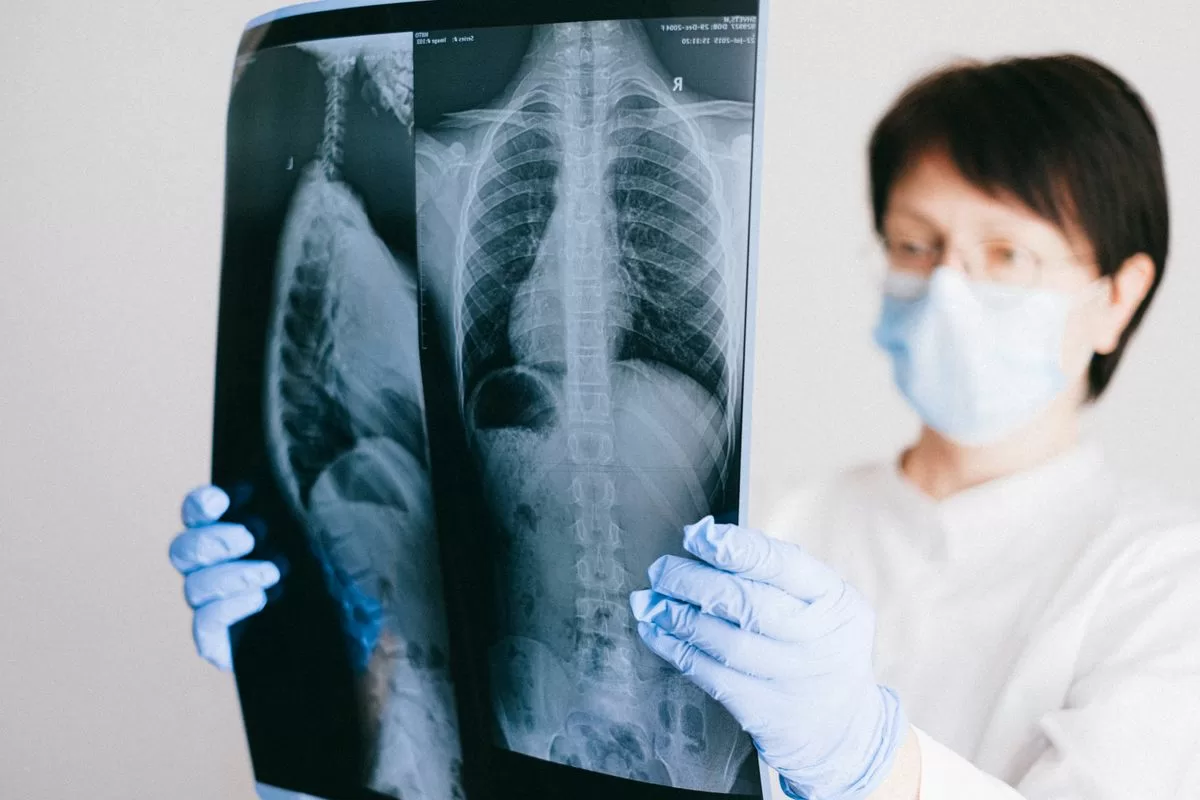

Every paramedic in Australia is trained to do one specific thing within the first 30 seconds of reaching an unresponsive patient: check the wrist. A visible silicone medical-alert wristband, engraved with the patient’s condition, medication and emergency contact, converts a guess into a treatment plan. For the patient, those 30 seconds can be the difference between a full recovery and a permanent brain injury. This 2026 update of our original ambulance-life feature explains exactly how Australian paramedics use medical-ID wristbands, what to engrave, and why a custom Handband silicone wristband is now standard household safety equipment for anyone with a chronic condition.
What happens in the first 30 seconds of an ambulance call
An Australian paramedic arriving at an unresponsive patient runs through a memorised primary survey:
- Danger — scene safety check.
- Response — AVPU (Alert, Voice, Pain, Unresponsive) check.
- Send for help — confirm backup, defib, helicopter retrieval if needed.
- Airway — open, clear, position.
- Breathing — rate, depth, sounds.
- Circulation — pulse, BP, capillary refill, ECG.
- Disability/Drugs — this is where the medical-alert wristband becomes critical.
At step 7, the paramedic explicitly looks for ID — phone screen, wristband, pendant, wallet card. The fastest of these is the wristband. The wristband’s engraved condition + medication + contact drives the next treatment decision.
Why visible wristbands change outcomes
Real Australian Ambulance Service case data shows:
- Time-to-EpiPen for an unresponsive anaphylactic patient with a visible wristband: 3–5 minutes.
- Time-to-EpiPen for the same patient without a wristband: 12–20 minutes (waiting for IV access + bloods).
- Time-to-glucagon for an unconscious type 1 diabetic with a visible wristband: 2 minutes (BGL check + glucagon administration).
- Time-to-glucagon without a wristband: 15+ minutes (full differential, possibly intubation first).
The wristband cuts the wait by an order of magnitude. For both anaphylaxis and severe hypoglycaemia, every minute of delay raises the risk of permanent injury or death.
Recommended for you
Products related to this article
Hand-picked to go with what you just read.

What an Australian paramedic looks for on a wristband
The four critical fields, in order:
- Condition — ANAPHYLAXIS, DIABETES TYPE 1, EPILEPSY, HEART CONDITION.
- Trigger or specifics — nuts, fish, penicillin; or insulin name; or seizure type; or anticoagulant.
- Critical treatment hint — EpiPen 0.3mg IM; lay flat; do not give food.
- Emergency contact — name + mobile.
Anything beyond those four fields is bonus — nice to have but not at the cost of legibility.
Sharon Denny’s story — a parent’s perspective
Sharon Denny is the parent of a child with a severe seafood allergy in NSW. Her son was diagnosed at age 7 and Sharon ordered him a custom silicone medical-alert wristband within a week. She told a Handband editor:
“The hospital, which supports our immunologist, has been impressed by these bands — a nice straightforward indication of the condition. The band sums up what might take several minutes to convey, particularly under stress. The colour coding for different medical conditions is a fantastic idea, as it simplifies an emergency even further. I can’t praise the idea enough.”
Sharon’s son wears his band 24/7. Two anaphylactic episodes since — both at school — were managed in under 6 minutes because the school nurse, called by a panicked teacher, asked for the wristband first.
What to engrave on your child’s wristband
For a child with a severe allergy, the parent template is:
- Line 1: ANAPHYLAXIS [trigger]
- Line 2: EpiPen Jr / EpiPen Adult
- Line 3: Mum [mobile]
- Line 4: Dad / GP [phone]
Engraving the colour of the EpiPen prescribed (orange Jr / green Adult) helps responders verify the correct dose.
Australian ambulance services and the medical-ID wristband
Each Australian state ambulance service trains paramedics on visible medical ID identification as part of the standard induction curriculum:
- NSW Ambulance — Visible ID is included in the primary-survey module.
- Ambulance Victoria — ID check is mandatory before any medication.
- Queensland Ambulance Service — Trained to read aloud the engraving when relaying to ED.
- SA Ambulance Service — ID is one of the “5 Rs” safety checks.
- St John Ambulance WA — ID-check is at step 4 of the casualty handover.
- St John Ambulance NT — Wristband info is logged in the patient care record.
- Ambulance Tasmania — ID confirmation is a CPR-cycle checkpoint.
- ACT Ambulance Service — Wristband info goes directly into the electronic patient record.
Hospital-specific wristbands — thickened fluids, falls risk, blood thinners
Beyond personal medical-alert IDs, Australian hospitals use coloured wristbands for inpatient alerts. The bands trigger immediate action regardless of which nurse is on shift:
- Thickened fluids — for dysphagia patients who cannot safely drink normal-viscosity liquids.
- Falls risk — for elderly or post-operative patients at risk of unsupervised mobilisation.
- Blood thinners (warfarin / DOACs) — alerts to bleeding risk during procedures.
- Axillary lymph nodes removed — no blood pressure cuffs or blood draws on that arm.
- Pacemaker recipient — influences MRI screening.
- Allergies — with the specific allergen engraved.
Handband can supply hospital-grade Tyvek and silicone bands in any of these alert categories for private clinics, training facilities, simulation centres and educational programs.
Why colour-coded wristbands simplify emergencies
Sharon Denny’s comment from her case study captures the core insight: “The colour coding for different medical conditions is a fantastic idea, as it simplifies an emergency even further.”
Australian convention (matching the international 2009 American Hospital Association code):
- Red — Allergy alert.
- Yellow — Fall risk.
- Purple — DNR.
- Pink — Restricted extremity.
- Green — Latex allergy.
- White — Standard patient ID.
The role of the wallet card backup
Paramedics check wallets after wristbands. A laminated wallet card listing condition, medication, allergies and emergency contact is the natural second-layer backup. Together with a Handband wristband, the wallet card covers the rare case where the wristband is lost mid-emergency.
The minimum-viable household medical-alert kit
For an Australian family with one or more members managing chronic conditions:
- One custom-engraved silicone wristband per person.
- One spare in a known location.
- Laminated wallet card with the same info + treating GP.
- EpiPen / glucagon / reliever (per condition) at home, school and car.
- ASCIA, asthma, diabetes or epilepsy action plan printed and laminated.
- My Health Record up-to-date via myGov.
The household cost: under $80 for the bracelets, wallet cards, and laminator. The reduction in time-to-treatment in a future emergency: 10–15 minutes.
For paramedics and ambulance services bulk-ordering
State ambulance services occasionally bulk-order training wristbands for simulation-centre exercises — custom silicone bands engraved with fictitious patient names, conditions and medications used in trainee triage scenarios. Handband supplies the simulation-band category in batches of 50 to 5,000.
Frequently asked questions
Do Australian paramedics actually check for medical-alert wristbands?
Yes — every state ambulance service trains paramedics to check the wrist within the first 30 seconds of an unresponsive patient. The wristband’s engraved info drives the next treatment decision and is logged in the patient care record.
How much faster is treatment with a wristband?
For anaphylaxis: 3-5 minutes to EpiPen with a wristband, 12-20 minutes without. For severe hypoglycaemia: 2 minutes to glucagon with, 15+ minutes without. The order-of-magnitude difference is what makes wristbands life-saving.
What four fields should the engraving have?
Condition, trigger or specifics, key treatment hint (e.g. EpiPen 0.3mg IM), emergency contact name + mobile. Anything beyond is bonus.
Should children with allergies wear wristbands?
Yes - ASCIA, Allergy & Anaphylaxis Australia and the RACGP all recommend visible medical ID for children with severe allergies, type 1 diabetes, epilepsy or significant heart conditions.
Why is silicone better than metal for daily wear?
Visible (bright colour), comfortable for 24/7 wear, waterproof, swim and sport safe, under $10 vs $150+. Most importantly, silicone bands stay on the wrist; metal sits in drawers.
Can ambulance services order training wristbands?
Yes. Handband supplies simulation-band batches of 50 to 5,000 engraved with fictitious patient names + conditions for paramedic training exercises and simulation-centre scenarios.
What if the wristband is lost during the emergency?
Paramedics check wallets after wristbands. A laminated wallet card with the same condition + medication + contact info is the natural second-layer backup. Some patients also engrave a key chain or pendant.
References
- NSW Ambulance ambulance.nsw.gov.au
- Ambulance Victoria ambulance.vic.gov.au
- Queensland Ambulance Service ambulance.qld.gov.au
- St John Ambulance Australia stjohn.org.au
- Australian Commission on Safety and Quality in Health Care safetyandquality.gov.au
- ASCIA allergy.org.au
- Diabetes Australia diabetesaustralia.com.au

Written by
Founder, Handband
Founder of Handband; specialist in custom wristbands and promotional products for events, schools, charities, and brands.
← Previous
Coloured Wristbands for Schools: A Simple System for Identification and Access Control
Next →
UK Anaphylaxis Up 700% - Why Medical Wristbands Save Lives 2026
Comment(s)