Yellow Awareness Wristbands: Why Cause Bracelets Still Matter Today
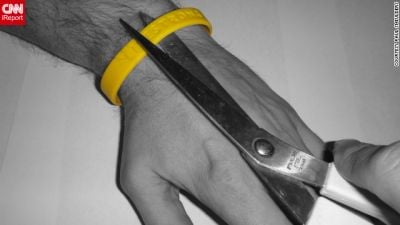
Two decades after they first appeared, yellow awareness wristbands are still a fixture on millions of wrists worldwide. The simple yellow silicone band — and its cause-coloured cousins in pink, purple, red and every shade between — remains one of the most successful pieces of wearable advocacy ever created. For survivors, supporters, donors and the everyday wearer, cause wristbands signal solidarity, prompt conversation and keep difficult issues visible long after the news cycle moves on.
This guide explains why cancer awareness wristbands and other silicone awareness bands still work, what makes a charity wristband campaign succeed, and how survivors, communities and brands use motivational wristbands today to amplify causes that matter. Handband supplies custom cause bracelets to organisations of every size — from grassroots fundraisers to national charities — so the patterns described here come from years of seeing what actually moves the needle.
Why Yellow Awareness Wristbands Still Work
The original yellow silicone awareness band proved a simple truth: a $2 piece of moulded rubber can spark global solidarity. The format works today for the same reasons it worked then — visibility, simplicity and emotional weight in a single object that lives on the wrist for months.
- Daily visibility for the cause. Unlike a one-time donation, awareness wristbands keep the message visible every day the wearer is out in the world — at work, at school, at the gym.
- Low barrier to participate. A few dollars buys a band and a public commitment. Supporters who can’t give large sums can still wear the cause.
- Conversations on the wrist. "What does your band stand for?" is a natural opener — every wristband becomes a chance to share the story behind the cause.
- Tribal belonging for survivors. Survivor wristbands quietly say "I’ve been there too" — a reassurance for anyone navigating diagnosis, treatment or recovery alone.
- Affordable fundraising at scale. Charities can sell silicone cause bracelets at events for $2–5 each, raising significant funds while spreading the message far beyond the buyer.
The Colour Code: What Cause Bracelet Colours Mean
Colour coding turns silicone awareness bands into a visual shorthand for the cause. Some colours have global recognition; others belong to a specific local campaign. Most fundraising silicone wristbands stick to one of these recognised colour cues so wearers can be identified at a glance:
Yellow
The original. Yellow awareness wristbands carry associations with cancer survivorship, suicide prevention, missing persons and military support — making yellow the most universally recognised cause colour worldwide.
Pink
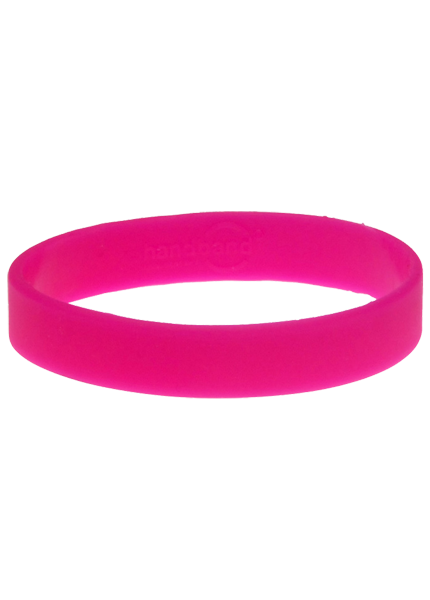
Breast cancer awareness, women’s health and Mother’s Day fundraising. Hot pink charity wristbands dominate October awareness drives and pink-ribbon campaigns globally.
Purple
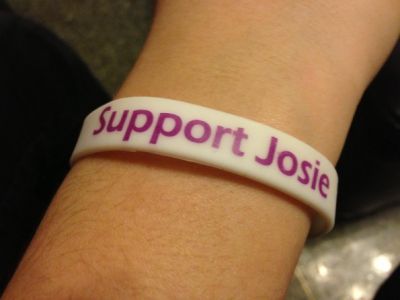
Domestic violence awareness, Alzheimer’s, epilepsy and pancreatic cancer. Purple cause wristbands carry quiet, deeply personal meaning for the families they represent.
Red
Heart health, AIDS awareness, blood drives and emergency services support. Red silicone awareness bands are popular for World Heart Day and February heart-health months.
Custom Awareness Wristbands for Your Cause
Pantone-matched cause colours, your message, low minimums from seven units.



How Charities Use Cause Wristbands to Raise Money and Awareness
Charity wristbands work because they combine three jobs in one piece of silicone: a fundraising product, a public-awareness billboard and a tribal identifier. Done well, a single cause-wristband campaign can outperform months of traditional fundraising by tapping into community, social media and word-of-mouth.
School and youth fundraising
Schools sell custom silicone awareness bands at canteens, parent meetings and assemblies — often raising thousands for playground upgrades, sister-school partnerships or community charities. Kids wear them daily for months, multiplying every dollar raised into long-term awareness.
Memorial and tribute campaigns
Communities use motivational wristbands to honour a lost neighbour, classmate or service member. The band carries their name, dates or message — a portable memorial that keeps the person present long after the funeral. Families and friends often wear these survivor wristbands for years.
Cancer survivor and support groups
Cancer awareness wristbands work both for survivors (a quiet visible reminder of their journey) and for supporters (a public commitment to research funding, treatment access or specific patients). Hospitals, oncology clinics and patient advocacy groups distribute cause-colour bands to mark milestones, treatment graduations and anniversary fundraisers.
Awareness months and seasonal campaigns
Pink wristbands surge every October for breast cancer awareness month. Yellow bands appear during Childhood Cancer Awareness Month (September) and World Suicide Prevention Day. Tying your charity wristband to a known awareness month gives the campaign automatic context and media interest.
Designing a Cause Wristband That Gets Worn for Years
Many awareness wristband campaigns fade after the initial launch because the band itself was too generic, too cluttered or too disposable. The bands that wearers keep on for years share a few design traits:
- Pick the right cause colour. Match an established colour cue (yellow, pink, purple, red) so anyone seeing the band can identify the cause without explanation.
- Short, emotional message. "Hope", "Survivor", "Stronger Together", "In Memory" — a few words carry more weight than a paragraph on silicone awareness bands.
- Comfortable fit. A band that’s too tight or too loose comes off. Standard adult bands (202 mm circumference) suit most wearers; offer youth sizes for school programs.
- Quality silicone that lasts. Food-grade silicone wristbands hold up to daily wear without fading or cracking. Cheap bands that crack within weeks damage trust in the cause.
- A reason to keep wearing. Tie the band to anniversaries, milestones, or ongoing campaigns so wearers have a continuing reason to leave it on.
Cause Wristbands in 2026: Still Relevant, Still Effective
Some have wondered whether silicone awareness bands have run their course — and twenty years in, the answer is clearly no. New causes still adopt the format precisely because nothing else delivers the same combination of low cost, high visibility, daily wear and emotional weight. Crowdfunding campaigns now use cause wristbands as a perk for donors. Social-media-driven awareness drives turn a hashtag into a wearable band. And survivors, families and supporters keep wearing them because the bands say what words sometimes can’t: "I’m still here. I still care. I haven’t forgotten."
Frequently Asked Questions
Do yellow awareness wristbands still raise money for charity?
Yes — cause wristbands remain one of the most cost-effective fundraising tools available. Charities buy silicone awareness bands at $0.50–$1.50 per unit and sell them for $2–5, with margins funding the cause directly. They also generate ongoing awareness as wearers spread the message daily, multiplying every dollar raised.
What colour wristband should I use for my cause?
Match an established awareness colour where possible: yellow for cancer/suicide prevention, pink for breast cancer/women's health, purple for Alzheimer's/epilepsy/domestic violence, red for heart health/AIDS, blue for autism/anti-bullying. Custom debossed bands let you add your specific cause message on a colour that fits.
How long do silicone awareness bands last?
Food-grade silicone wristbands typically last 2–5 years with daily wear without fading or cracking. The lifespan depends on quality — cheap promotional bands may crack within weeks, while well-manufactured cause bracelets often outlast the campaign they were created for. Handband uses high-tensile food-grade silicone built to last.
What's the minimum order for charity wristbands?
From as few as seven units for custom silicone awareness bands, making them accessible for small community groups and large national campaigns alike. For school fundraisers or memorial campaigns, common order sizes are 100–500 bands.
Can survivor wristbands include personal details like a name or date?
Yes. Custom debossed and printed silicone awareness wristbands can carry a name, date, message or symbol — common for memorial bands, tribute campaigns and survivor anniversaries. Send your finalised text along with your colour choice and we'll produce a proof before printing.
Jan 19, 2013

Written by
Founder, Handband
Michael founded Handband to give event organisers, charities, sports clubs, and brand teams a simpler way to source custom wristbands and promotional products. The team has supplied wristbands to festivals, schools, fundraisers, and corporate activations world-wide.

Share on Facebook

Share on X

Share on Pinterest
Comment(s)
Related posts