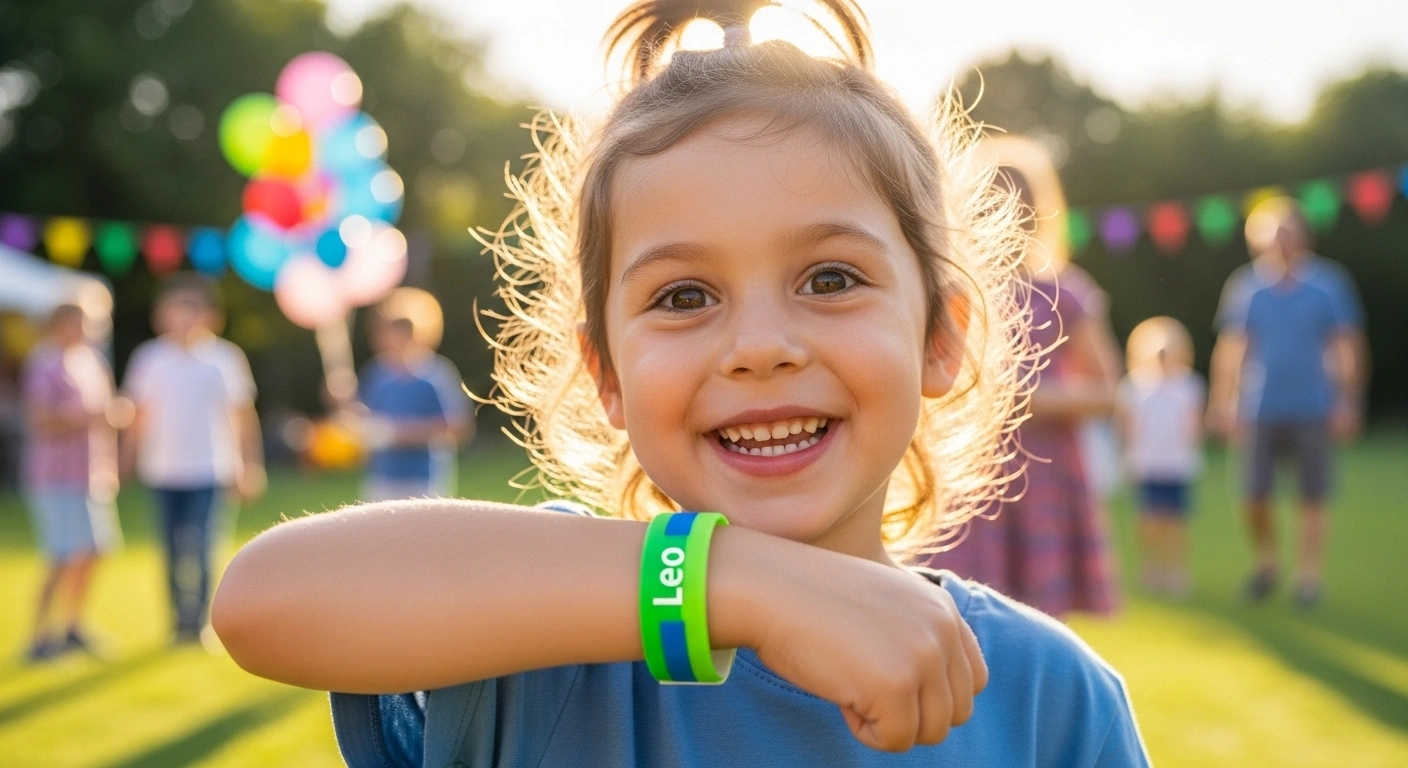
How Charity Wristbands Generate Awareness and Raise Funds: A Complete Guide
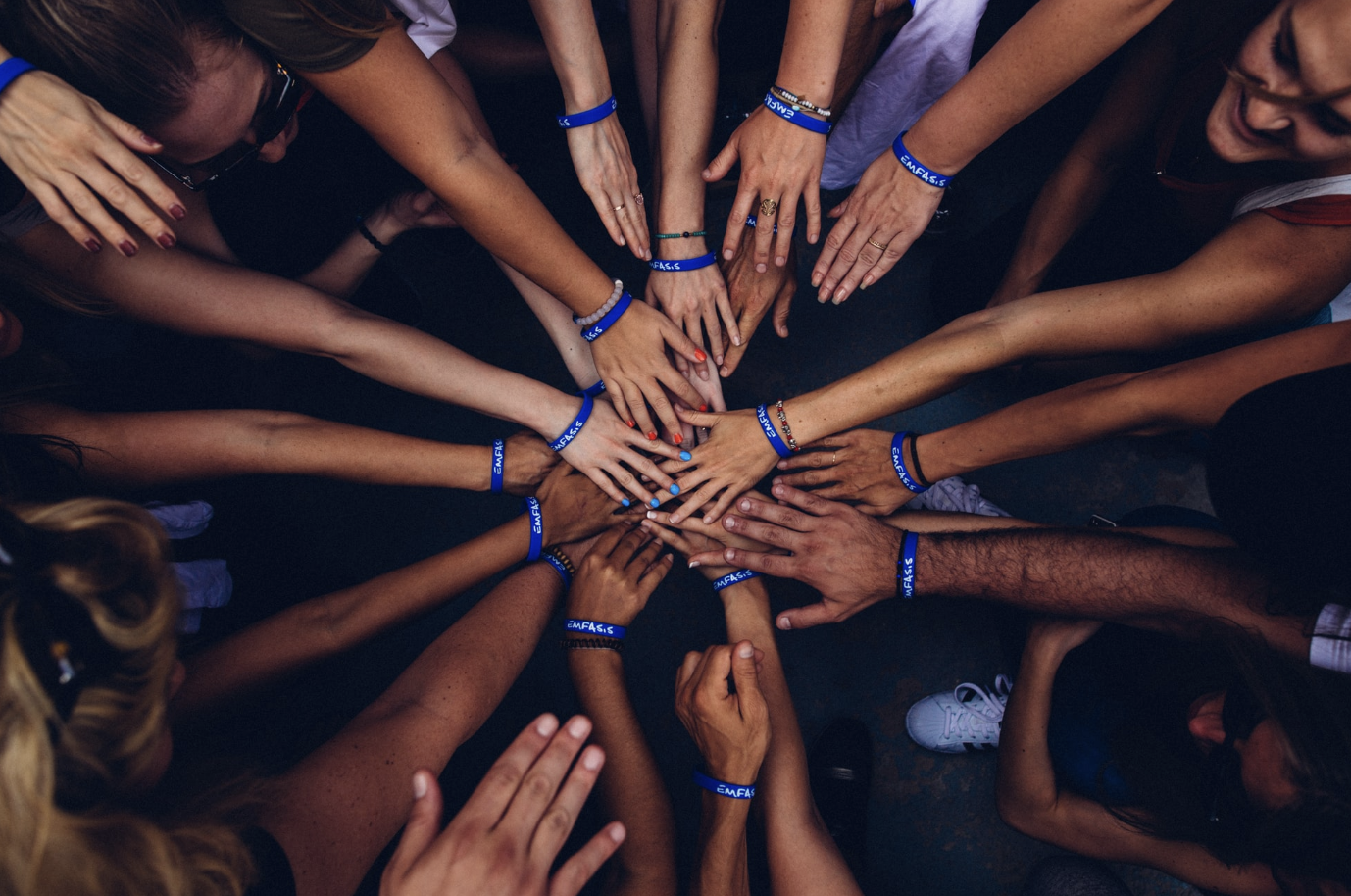
How Charity Wristbands Generate Awareness and Raise Funds
Charity wristbands have been one of the most successful grassroots fundraising and awareness tools of the past two decades. Since the LIVESTRONG yellow wristband campaign of 2004 raised over $80 million, organisations of every size have used coloured silicone wristbands to create visible solidarity, raise funds, and build community around causes. This guide explains the strategies that work, the mistakes to avoid, and how to run a successful charity wristband campaign.
The core appeal is straightforward: a wristband is a public declaration of support. When someone wears your charity's wristband to work, school, or the gym, they become a visible advocate — sparking conversations and spreading awareness organically to audiences your marketing budget could never reach.
Awareness Strategy: Making Your Wristband Recognisable
Colour Association is Everything
The most successful charity wristbands own a colour. Pink for breast cancer awareness. Red for HIV/AIDS. Yellow for cancer. When you consistently associate your charity with a specific colour — and that colour becomes widely worn — you create instant visual recognition that works without words.
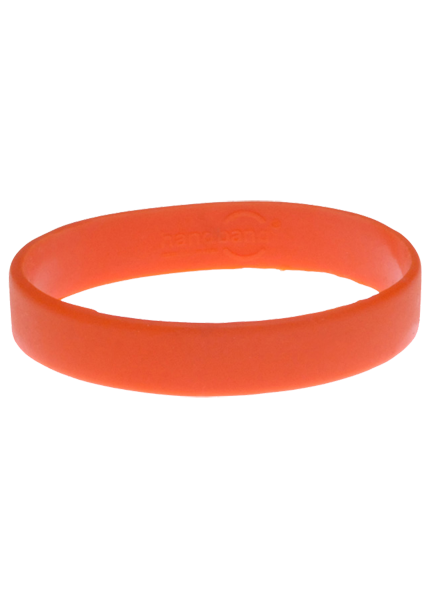
If your charity doesn't have an established colour, research what colours competing causes use in your space and choose a differentiated option. Purple, teal, and orange are currently underutilised for major health causes.
Message Clarity on the Band
The best charity wristbands have a clear, concise message — typically 2–5 words. "Find a Cure", "Never Give Up", "Walk with Us". Avoid organisation acronyms unless your brand is already widely known. The message should communicate the cause, not just the charity name.
Fundraising Strategy: Turning Wristbands into Revenue
Direct Sale at Events
The classic approach: sell wristbands at $2–$5 each at charity events, community markets, and sporting events. With production costs of $0.30–$0.50 per unit at typical quantities, each band sold at $3 generates $2.50–$2.70 in net revenue for the cause. At 500 units sold, that's $1,250–$1,350 for a $150–$250 production investment.
Bundle with Donations
Offer a wristband as a gift with any donation over a set threshold. Donors get a tangible token of their support; the charity gets both funds and ambulatory brand ambassadors. This has been shown to increase average donation amounts by 15–30% when the premium item is visually appealing.
Corporate Partnership Orders
Approach local businesses to co-brand a wristband — their logo on one side, your charity message on the other. They purchase 500+ units to give to their customers and staff, funding your band production at cost. The charity gets free distribution to a wider audience; the business gets CSR visibility.
Shop Charity & Awareness Wristbands
Raise funds and spread your message with every band sold.




Common Mistakes in Charity Wristband Campaigns
- Ordering too few: Run out of bands mid-campaign and you lose momentum and donation opportunity
- Poor quality bands: Low-quality bands that fade or break damage the charity's reputation and reduce wear time
- No distribution plan: Bands sitting in a box generate zero awareness — plan distribution channels before ordering
- Unclear message: A wristband that requires explanation is less effective than one with an instantly clear message
- No tracking: Use unique codes or QR codes on bands to track campaign reach and online engagement
What Makes a Charity Wristband Campaign Go Viral?
Analysis of successful campaigns reveals three common factors:
- Celebrity or influencer adoption: Even local celebrities wearing your band creates a ripple effect of social proof
- Challenge mechanics: "Pass on the band" or "nominate 3 friends" structures create self-replicating distribution
- Limited edition scarcity: "Only 1,000 made" creates urgency and desirability — bands become collectibles
Visit our fundraising wristband page or browse our full silicone wristband range to plan your campaign.
Frequently Asked Questions
How much profit can a charity make selling wristbands?
With production costs of $0.30–$0.50 per unit (at 500+ quantities) and a typical sale price of $2–$5, each wristband generates $1.50–$4.50 in gross profit. A campaign selling 1,000 bands at $3 each generates approximately $2,500–$2,700 net revenue after production costs.
What is the best colour for a charity wristband?
Choose a colour that is strongly associated with your cause if one exists (pink for breast cancer, red for heart health). If choosing a new colour, consider what differentiates you from existing campaigns. Purple, teal, and orange are relatively underused for major causes. The key is consistency — use the same colour across all materials and campaigns.
Can charity wristbands include QR codes?
Yes. Custom printed wristbands can include QR codes linking to your charity's donation page, social media, or campaign website. This turns each wristband into an interactive marketing tool. Tyvek inkjet wristbands are particularly suitable for QR code inclusion as they accept high-resolution printed detail.
April 12, 2026

Share on Facebook

Share on X

Share on Pinterest
Comment(s)
Recent Posts