5 Expert Tips for Food and Drink Management at Events: Wristbands, Tokens, and Crowd Flow

Why Food and Drink Management Makes or Breaks an Event
No matter how impressive the entertainment, how beautiful the venue, or how carefully the agenda is planned, an event's success often hinges on one deceptively simple factor: how well food and drink are managed. Long queues, mix-ups with dietary requirements, bar congestion, and waste can turn a brilliant occasion into a logistical nightmare — and leave attendees with a negative lasting impression.
Fortunately, with the right systems in place, food and beverage operations at events can run smoothly, efficiently, and even profitably. From colour-coded wristbands that signal meal inclusions, to token systems that eliminate cash handling, these practical strategies transform the catering experience for both organisers and guests.
Tip 1: Use Colour-Coded Wristbands to Signal Meal Inclusions
One of the most effective tools in event catering management is the humble wristband. When different ticket tiers or package types include different food and drink allowances, wristbands provide instant, visible identification that staff can check at a glance — no need to examine tickets, check lists, or interrupt the flow of service.
A simple colour system works brilliantly: for example, blue wristbands include one drink token, green bands include a full meal, and gold bands grant unlimited bar access. Guests know what they have, staff can see it immediately, and the potential for disputes or misuse drops dramatically.
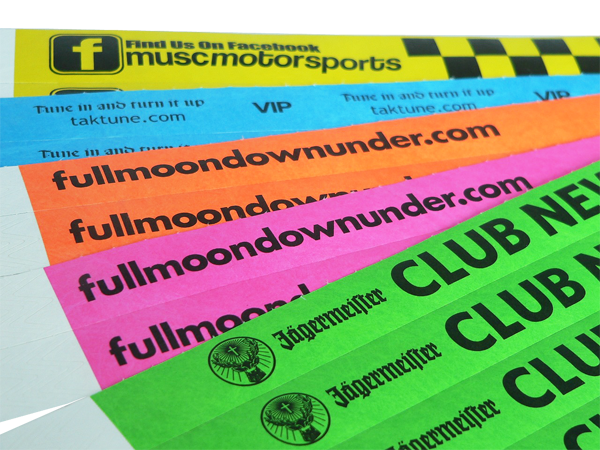
Tyvek wristbands are particularly well-suited to food and drink events because they are affordable, tamper-evident, and water-resistant. They survive spills, rain, and the general wear of a long event day without falling apart. Explore our range of Tyvek wristbands for event catering solutions.
Tip 2: Introduce a Token System to Eliminate Cash Handling
Cash handling at busy bars and food stalls slows everything down. Counting change, dealing with incorrect notes in poor lighting, and reconciling cash at end-of-night are all time-consuming and error-prone. A token system elegantly sidesteps all of these problems.
Drink and food tokens — physical or wristband-integrated — allow guests to pre-purchase their entitlements and exchange them at the point of service without fumbling for cash. From the organiser's perspective, pre-selling tokens also means you receive income before the event, gives you a more accurate picture of catering demand, and reduces the risk of under-ordering or waste.
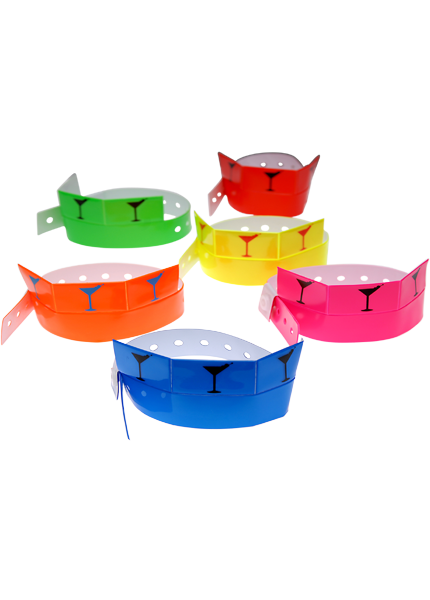
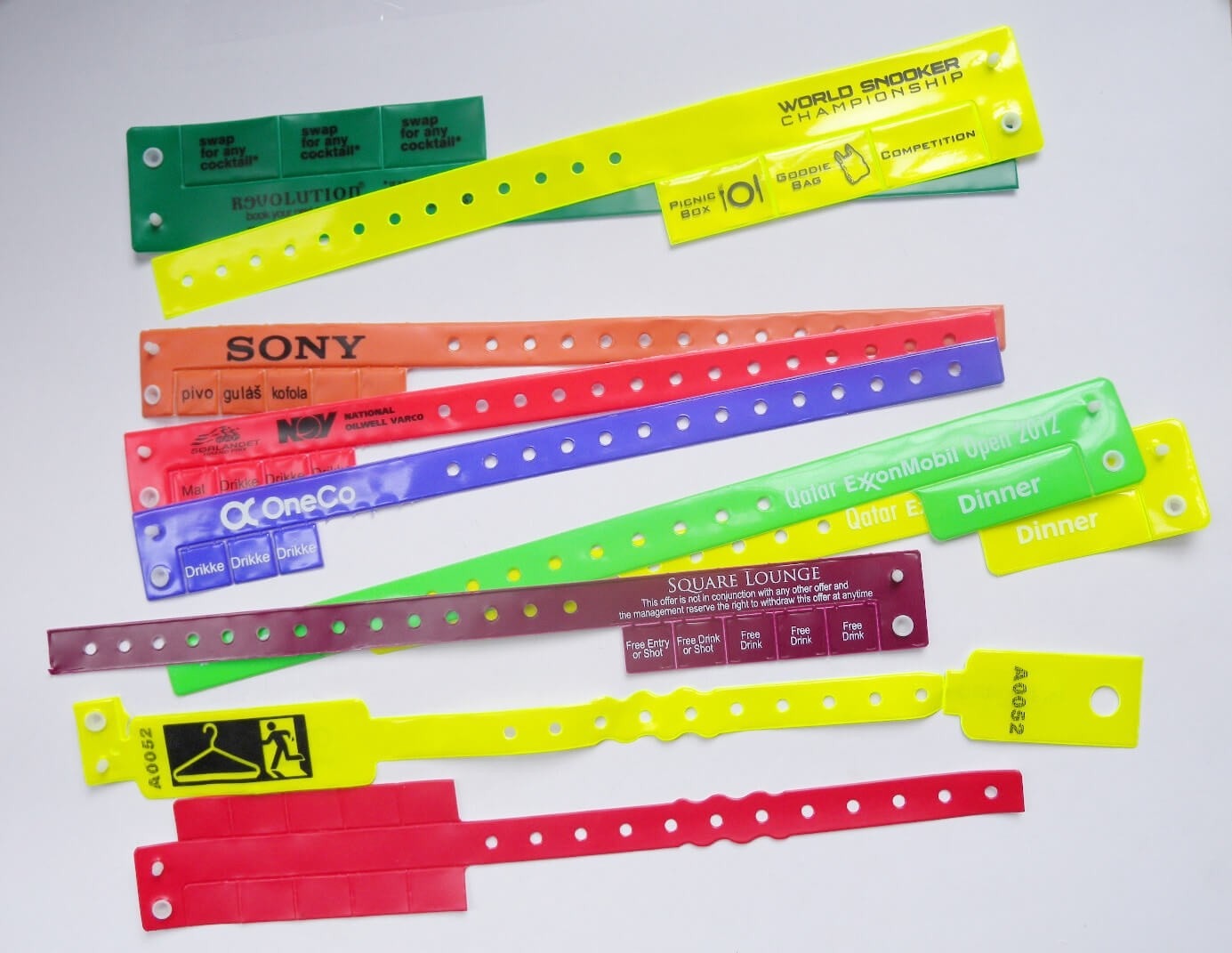
Token bands — wristbands with multiple tear-off tabs — combine the benefits of wristband identification with token functionality. Each tab represents a drink or food item, and staff tear off a tab at the point of service. It's simple, fast, and doesn't require any technology. Check out our event wristband products to see multi-tab options.
Tip 3: Plan Your Catering Layout for Crowd Flow
Even the best wristband and token systems can be undermined by poor physical layout. Bottlenecks form when all food and drink stations are clustered in one area, when entry and exit paths cross, or when guests can't easily see where to go. Planning crowd flow is as important as planning the menu.
Strategic Station Placement
Spread catering stations around the venue perimeter rather than concentrating them centrally. This distributes foot traffic and prevents a single chokepoint from backing up into main walkways. Ensure each station is clearly visible and signed — guests should never have to ask where the bar is.
Stagger Service Times
If possible, stagger meal service so that not all guests rush the catering area simultaneously. This can be achieved with wristband colours — announce that blue bands are served first, then green, then gold — creating natural waves of demand that staff can manage without being overwhelmed.
Tip 4: Cater for Dietary Requirements Proactively
Dietary requirements are no longer an edge case. With the prevalence of vegetarian, vegan, gluten-free, halal, kosher, and allergy-related needs, catering without planning for them creates both logistical and reputational risk. A guest who can't eat anything at your event will remember it — and may share that experience publicly.
Wristbands can be used here too. Issuing a specific colour or symbol to guests with dietary requirements — collected at registration — allows catering staff to immediately identify who needs special menu items. This avoids the awkward, time-consuming process of asking each guest individually and speeds up service at busy stations.
Collecting dietary information during ticketing or RSVP is the most reliable starting point. Use a dedicated form field and follow up with guests if their requirement seems ambiguous. The more accurate your data, the less food you waste and the more confident you can be that every guest is catered for.
Tip 5: Reduce Waste with Pre-Portioned Serving and Smart Ordering
Food and drink waste at events is a significant cost and an avoidable one. Smart ordering requires accurate attendance predictions, which wristband pre-sales and token pre-purchases help provide. When you know roughly how many people will attend and what inclusions they have, you can order more accurately and avoid over-catering.
Pre-portioned food service — where each dish or portion is standardised rather than guest-served — speeds up service and controls waste. Buffet-style service tends to generate more waste because portions are self-selected and often exceeded. For large events, station service with clear portion standards is more efficient.
Token systems also help here: leftover tokens (not redeemed) represent income without cost, while the data from token redemption rates gives you valuable insights for future events. If 80% of drink tokens were redeemed but only 50% of food tokens, you know how to adjust your ratios next time. For more event management ideas, browse our events wristband range.
Frequently Asked Questions
What are token wristbands and how do they work at events?
Token wristbands are bands with multiple tear-off tabs, each representing a food or drink entitlement. Staff tear off a tab when a guest redeems it, making the process fast, cashless, and tamper-evident. They combine access control with consumption management in a single wearable product.
How do I use wristbands to manage dietary requirements at an event?
Assign a specific wristband colour or pattern to guests with dietary requirements at check-in. Train catering staff to identify these bands and direct those guests to appropriate stations or pre-prepared meals. This prevents delays and ensures no guest is left without food.
Are Tyvek wristbands suitable for outdoor food events?
Yes. Tyvek wristbands are water-resistant and durable enough to survive outdoor events, including light rain and spills from food and drink. They are also tamper-evident, making them difficult to transfer between guests, which protects your catering inclusions.
How many food stations should I have for a large event?
A general rule is one service point per 75-100 guests for food, and one per 50 guests for bar service during peak periods. Spreading stations around the venue perimeter and staggering service by wristband colour significantly reduces peak demand at any single point.
April 12, 2026

Share on Facebook

Share on X

Share on Pinterest
Comment(s)
Recent Posts