How to Encourage Kids to Eat Healthier: Fun Lunch Box Ideas, Rewards, and Personalised Accessories
The Challenge of Getting Kids Excited About Healthy Eating
Getting children to eat well is one of the perennial challenges of parenting and teaching. The problem isn't usually lack of parental effort — most families know that vegetables, whole grains, and balanced nutrition matter. The challenge is that children experience food differently from adults. Taste preferences, texture sensitivity, social influence from peers, and the sheer attractiveness of highly processed alternatives all work against the best nutritional intentions.
What the research consistently shows is that positive association works better than restriction. Children who are exposed to a wide variety of foods in positive, pressure-free contexts develop broader palates and healthier eating habits over time. The goal is not to force broccoli at every meal but to create an environment where trying new foods feels safe, fun, and rewarding.
Practical tools — from thoughtfully packed lunch boxes to reward accessories — play a genuinely significant role in building positive food associations. This guide covers strategies that work, including some creative uses of personalised accessories that make healthy eating feel exciting rather than obligatory.
Why Lunch Box Design Matters More Than You Think
The packed lunch is where healthy eating intentions are most frequently undermined. A plain, unappealing lunch box with unrecognisable items is easily swapped with a friend's snacks, traded, or simply left uneaten. But a lunch box that looks exciting and contains familiar items presented in an appealing way is a reliable daily success.
Visual Appeal and Presentation
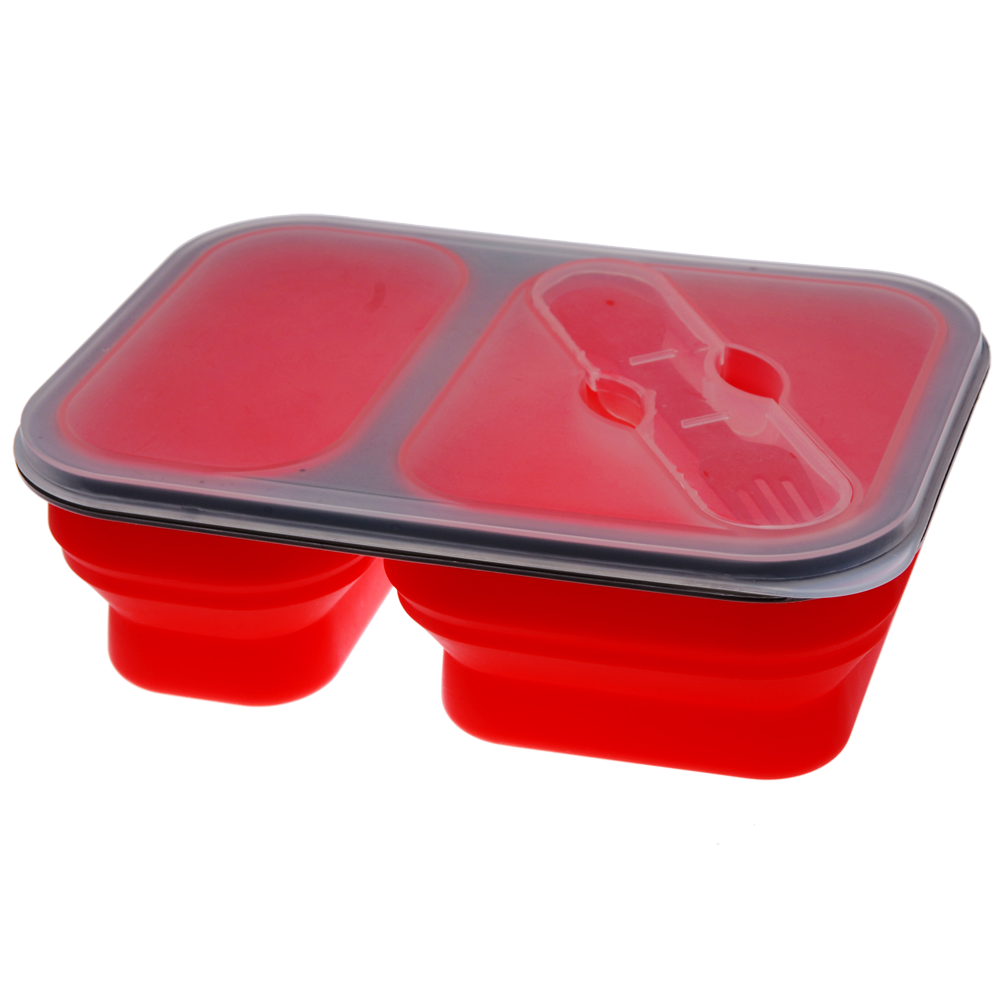
Children are highly visual eaters. Cutting sandwiches into shapes, using colourful silicone dividers, adding small containers of dip alongside vegetables, and varying the colour palette of the contents all significantly increase the chance that the lunch gets eaten. Research on school lunch consumption shows that small visual changes — colour, arrangement, portion size — can increase fruit and vegetable intake by 25% or more.
Involve Children in Packing Their Own Lunch
Children who participate in selecting and preparing their lunch are significantly more likely to eat it. Even young children can choose between two vegetable options, pick the fruit for the day, or arrange items in the box. This agency reduces the adversarial dynamic around food and replaces it with ownership and pride.
A personalised lunch box — one with their name, favourite colour, or a custom design — further increases this sense of ownership. When the lunch box itself feels special, the contents become more exciting by association. Explore our custom products range for personalised lunch accessories.
Positive Reward Systems That Build Healthy Habits
Reward systems work best when they are positive, consistent, and proportionate. The most effective approach for food-related habits is to reward the behaviour (trying a new food, finishing vegetables) rather than tying the reward directly to eating specific amounts — which can create an unhealthy relationship with food.
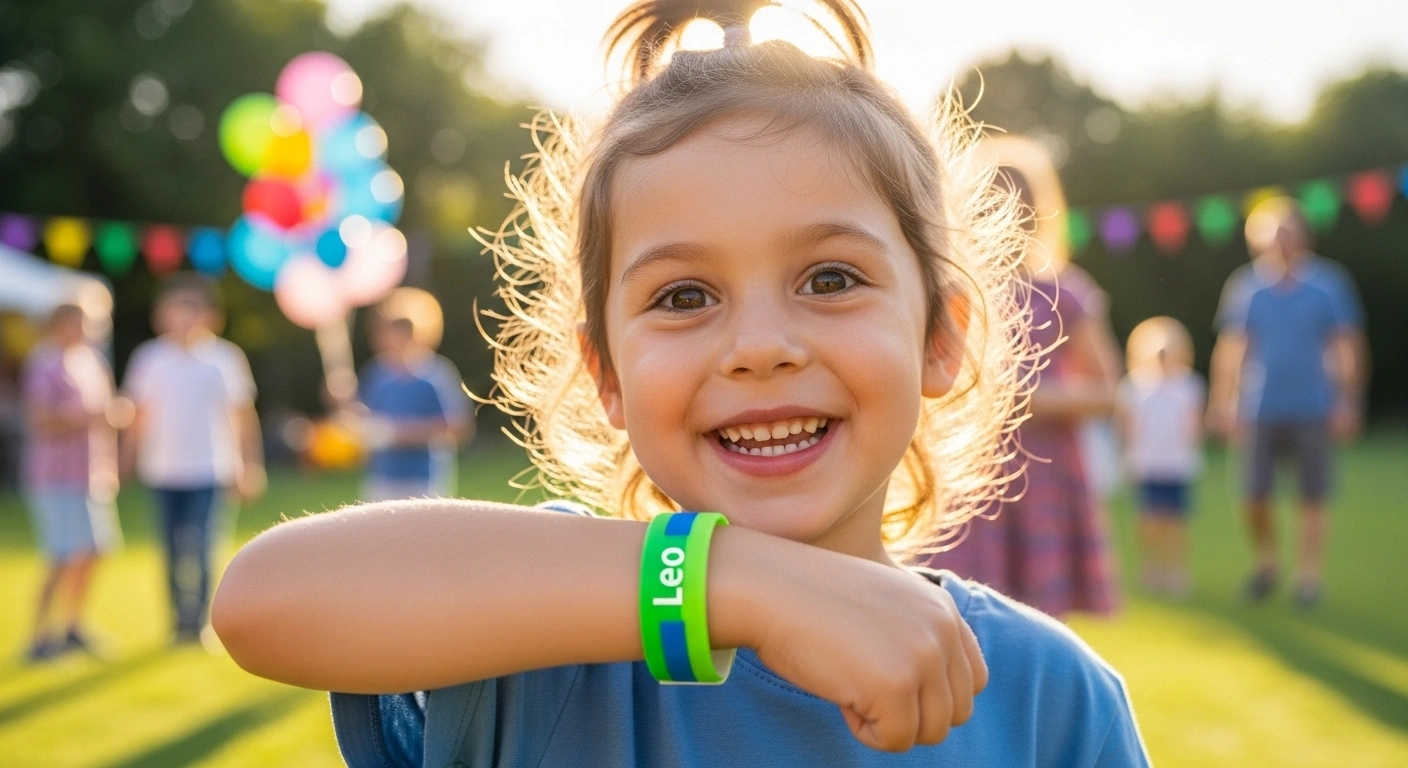
Physical rewards that children can wear or carry — like a wristband or a special accessory — work particularly well because they are tangible, visible to peers, and create lasting positive associations. A child who earns a wristband for "trying five new foods this month" has a physical reminder of their achievement that they can show off with pride.
Schools and community programs can adopt this approach at scale — distributing branded wristbands as part of healthy eating challenges or nutrition education programs. The wristband becomes a symbol of participation in a positive health journey, which is far more motivating than a gold star in a notebook that goes home unseen. Browse our school products for wearable reward ideas.

Hydration: The Often-Overlooked Pillar of Children's Nutrition
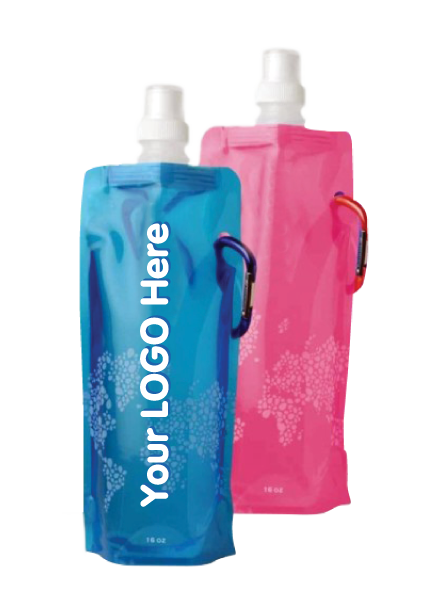
Many children go through the school day significantly under-hydrated, which affects concentration, mood, and physical performance. Children often underestimate thirst cues, and the school day provides few natural drinking opportunities. A personalised drink bottle — one that children are excited to carry — dramatically increases daily fluid intake.
A custom drink bottle with a child's name, favourite colour, or a design they have chosen becomes a prized possession rather than just a functional item. Schools that run hydration awareness programs and provide personalised drink bottles typically see measurable increases in water consumption and corresponding improvements in focus during lessons.
Making Hydration Fun
For younger children, gamifying hydration helps. Setting a goal ("finish this bottle by lunch") with a sticker chart or wristband reward creates a positive challenge framework. Infused water — adding slices of fruit or mint to the bottle — makes plain water more appealing to children who resist it. Smoothies and milk-based drinks count toward fluid intake and provide additional nutrition.
School Nutrition Programs: Creating Lasting Impact
Individual household strategies are important, but school-wide nutrition programs create the social environment that makes healthy choices the norm rather than the exception. When all students are eating similar foods, when healthy options are the most visible and accessible, and when nutritious eating is celebrated rather than treated as punishment, children respond positively.
Schools can use physical tools — custom lunch boxes, wristbands, reward accessories — as part of broader nutrition education. A "rainbow eating" challenge where students earn coloured wristbands for eating different-coloured foods (red tomatoes, orange carrots, yellow capsicum, green broccoli) turns nutrition into a game with real rewards. The colourful collection of wristbands at the end of the week becomes a source of pride.
These programs also teach nutritional concepts through active participation rather than passive instruction, which is far more effective for forming lasting habits. For more ideas on school nutrition programs and wearable rewards, visit our schools products section and our fundraising and awareness wristbands range.
Food Allergies and Dietary Requirements: Safety in the Lunch Box
For children with food allergies or dietary restrictions, the lunch box is a daily safety concern as much as a nutritional one. Cross-contamination, accidental sharing, and unclear labelling can create serious risks. Some practical strategies:
- Clearly label containers with the child's name and any allergy information
- Use a distinctive lunch box colour so the child and their teachers can identify it immediately
- Pack complete meals that don't require anything from the school canteen to be complete
- Use medical alert wristbands at events or excursions where the child's allergy may not be known to supervising adults
A personalised lunch box combined with a clearly labelled drink bottle and an allergy wristband gives teachers and carers immediate, visible safety information — reducing risk and giving parents peace of mind. This combination of personalised, functional accessories represents exactly the kind of practical solution that makes everyday school life safer and more organised.
Frequently Asked Questions
How can I get my child to eat more vegetables?
The most effective strategies combine repeated low-pressure exposure with positive association. Involve children in choosing and preparing vegetables, present them in different forms (roasted, raw with dip, in soups), and use reward systems that celebrate trying new foods. Avoid making meals into a confrontation — positive experiences over time build broader palates.
Do personalised lunch boxes really make a difference?
Yes. Children are significantly more likely to eat a lunch they feel proud of. A personalised lunch box creates a sense of ownership and special-ness that transfers to the contents. Studies on school lunch consumption show that presentation and personal connection to food items meaningfully increase consumption.
What are good reward ideas for healthy eating programs in schools?
Physical rewards that children can wear or carry — wristbands, badges, special accessories — work well because they are tangible, visible, and create lasting positive associations. Colour-coded wristbands for eating different-coloured foods or completing healthy-eating challenges turn nutrition into an engaging activity.
How much water should children drink during the school day?
General guidelines suggest children aged 5-12 need between 1-2 litres of water per day, with a significant portion ideally consumed during school hours. A 500-750ml personalised drink bottle finished during the school day is a good baseline target. Physical activity and hot weather increase requirements.
April 12, 2026

Share on Facebook

Share on X

Share on Pinterest
Comment(s)
Recent Posts