How to Recycle and Reuse Wristbands: Eco-Friendly Tips, Upcycling Ideas, and Sustainable Alternatives
The Environmental Impact of Single-Use Event Wristbands
Millions of wristbands are issued at events every year — concerts, festivals, sporting events, conferences, hospitals — and the vast majority are discarded within hours or days. Most end up in landfill, where plastic and composite materials take decades to break down. As event organisers and consumers become more environmentally aware, the question of how to handle wristbands responsibly is gaining traction.
The good news is that wristbands, particularly silicone and fabric varieties, have a second life waiting for them — whether through direct reuse, creative upcycling, or responsible recycling programs. This guide covers all the practical options.
Can You Recycle Silicone Wristbands?
Silicone is technically recyclable, but it is not accepted in standard household recycling bins in most places. The reason is that silicone requires specialised processing facilities that are not yet widely available. However, several options exist.
Specialist Silicone Recycling Programs
Some manufacturers and environmental organisations run silicone take-back programs. Search for silicone recycling programs in your region — you can often collect a batch of old wristbands and mail them in. While this requires some extra effort, it keeps silicone out of general waste.
Repurposing Silicone Bands at Home
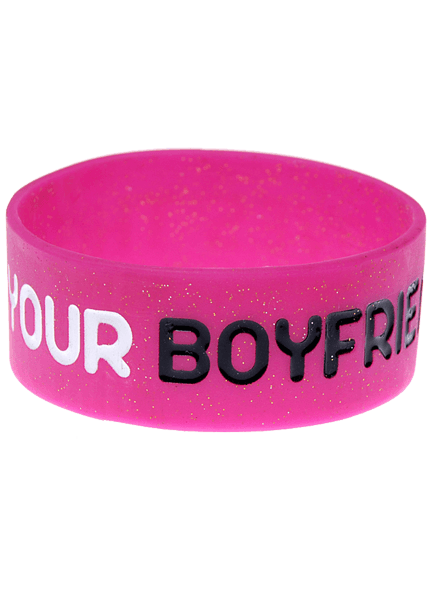
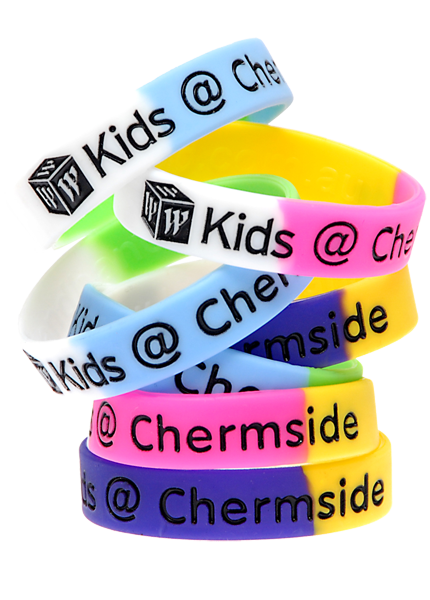
Silicone wristbands are incredibly versatile as household items. They make excellent jar openers (the grip is superior to most gadgets), cable ties, luggage identifiers, plant ties in the garden, bookmarks, and food bag sealers. A silicone band that has done its job at an event still has years of useful life as a household tool.
Tyvek Wristbands: What to Do With Them
Tyvek (a form of high-density polyethylene fibre) is actually one of the more recyclable wristband materials. It is the same material used in some postal envelopes, which are collected at many supermarket soft plastics recycling points.
Check your local soft plastics recycling drop-off points — many accept Tyvek material alongside plastic bags and wrappers. While individual bands are tiny, collecting a batch from a large event before disposal gives them a better chance of reaching a recycling facility.
Browse our range of eco-friendly wristband options including bamboo fabric and RPET recycled material bands.

Fabric and Woven Wristbands: Reuse and Upcycling Ideas
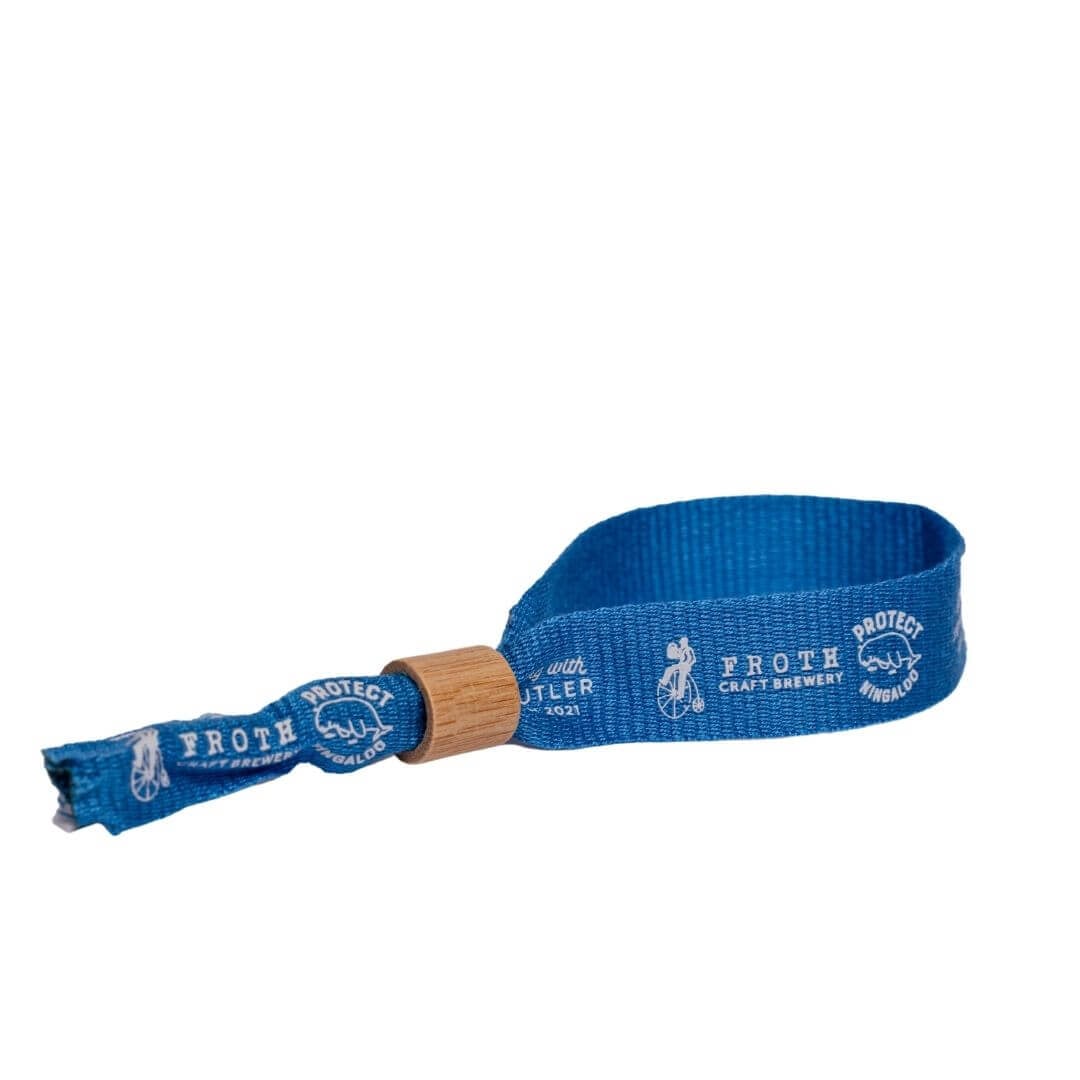
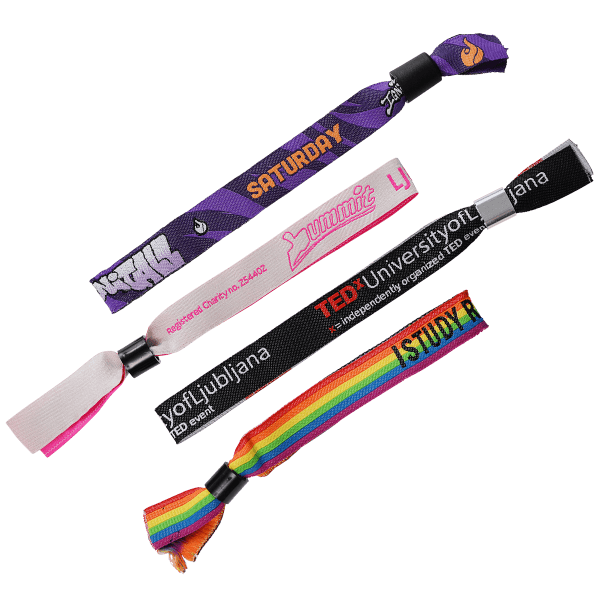
Fabric wristbands — whether woven, printed, or embroidered — have excellent reuse potential due to their durability and aesthetic appeal. Many people keep festival fabric bands on their wrists for weeks or even months as a memento. After that, there are plenty of creative ways to extend their life.
Upcycling Ideas for Fabric Wristbands
- Bracelet stacks — collect and layer multiple fabric bands for a boho or festival-inspired jewellery look.
- Gift wrapping accents — use brightly coloured bands in place of ribbon or twine around presents.
- Memory displays — pin fabric bands from meaningful events onto a notice board or frame them in a shadow box as a keepsake.
- Craft projects — fabric wristbands can be incorporated into bookmarks, lanyards, key rings, and bag decorations.
Choosing Eco-Friendly Wristbands From the Start
The most sustainable wristband is one that lasts long enough to be reused many times over. Choosing a durable fabric or silicone wristband — rather than a single-use Tyvek band — reduces the per-use environmental cost significantly.
RPET Fabric Wristbands
RPET (recycled polyethylene terephthalate) fabric wristbands are made from recycled plastic bottles. They offer the same durability and customisation options as standard fabric bands but with a lower environmental footprint. For events with sustainability mandates or eco-conscious branding, RPET bands are an ideal choice.
Bamboo Fabric Wristbands
Bamboo is one of the fastest-growing plants on earth — it requires no pesticides, regenerates from its root system after harvesting, and sequesters significant carbon. Bamboo fabric wristbands are soft, durable, and biodegradable at end of life, making them one of the most genuinely eco-friendly options available.
Event Organisers: Building a Wristband Sustainability Policy
If you run events regularly, consider building a formal wristband sustainability policy. This might include: choosing reusable wristband types where event security allows, providing a collection bin at the exit for returned wristbands, partnering with a recycling program for collected bands, and reporting your wristband recycling rates as part of your event sustainability metrics.
Small changes at scale add up significantly. An event that issues 5,000 single-use bands and recovers 80% for recycling diverts 4,000 bands from landfill at a single event. Explore our events wristband range to find sustainable options for your next event.
Frequently Asked Questions
Can silicone wristbands go in the recycling bin?
Not in standard household recycling bins — silicone requires specialist processing. However, some manufacturers and organisations run silicone take-back programs. The best approach is to repurpose silicone bands at home (as jar openers, cable ties, garden ties) or locate a specialist silicone recycling point in your area.
Are bamboo wristbands actually biodegradable?
Bamboo fabric wristbands are biodegradable under the right composting conditions. Home composting times vary, but bamboo fabric breaks down far faster than synthetic materials. If the wristband includes any metal hardware (such as a barrel lock clasp), this component should be removed before composting.
How long do fabric wristbands last if kept on the wrist?
A well-made fabric wristband can last many months of continuous wear. The primary risk is water damage and colour fading. High-quality woven or printed fabric wristbands maintain their integrity well through daily washing, swimming, and outdoor use. When the fabric eventually frays, it is a sign the band has truly done its job.
What is the most eco-friendly wristband type for events?
RPET recycled fabric and bamboo fabric wristbands have the lowest environmental impact at end of life. For single-day events where single-use is unavoidable, Tyvek bands are more recyclable than PVC alternatives. Avoiding PVC entirely where possible is recommended from an environmental standpoint.
April 12, 2026

Share on Facebook

Share on X

Share on Pinterest
Comment(s)
Recent Posts