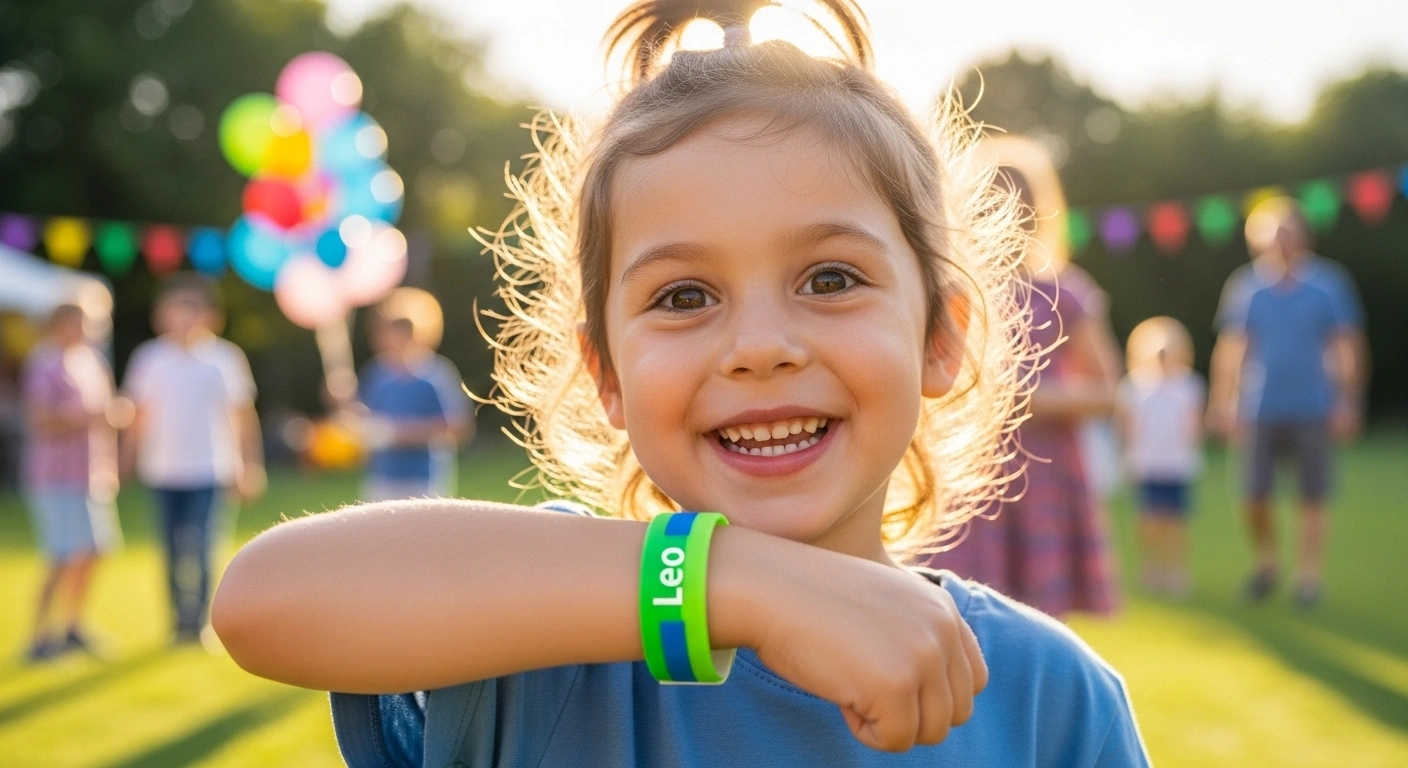
5 After School Activities to Help With Kids Learning

Why After-School Activities Matter for Learning
The hours between school dismissal and bedtime are some of the most valuable for a child's cognitive and social development. Structured after-school activities provide focused learning time, reduce screen exposure, build social skills, and reinforce classroom concepts in an engaging, low-pressure environment.
For parents and educators looking to support learning beyond the classroom, the right activities can make a measurable difference in confidence, academic performance, and emotional wellbeing. Here are five categories of after-school activities proven to help kids learn — and how fun educational tools like Handband's learning wristbands make the process more engaging.
1. Mathematics Games and Times Tables Practice
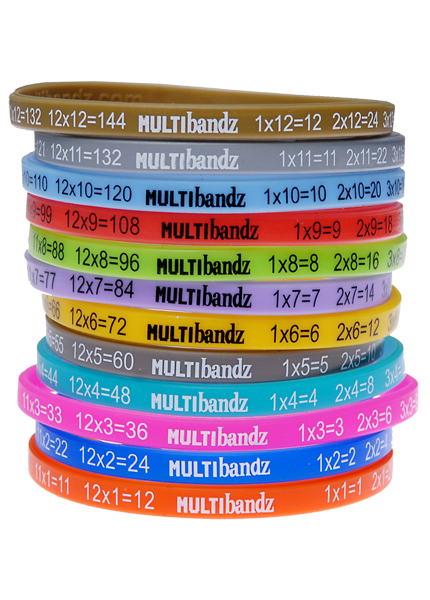
Many children struggle with rote memorisation of multiplication tables — but research shows that repetitive, multi-sensory practice dramatically improves retention. Handband's Multibandz times table wristbands turn this memorisation into a wearable, game-like challenge. Kids can quiz themselves or each other throughout the day — at the bus stop, at home, or during breaks.
2. Reading and Storytelling Programs
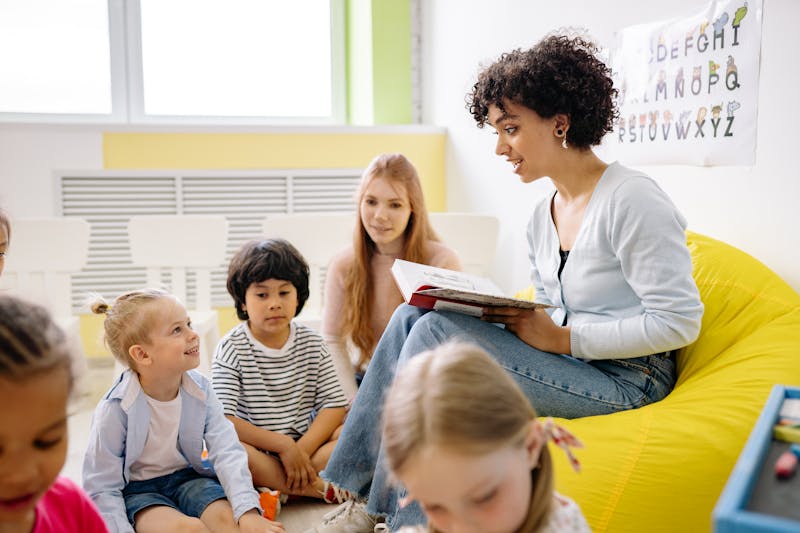
Regular reading for pleasure — even just 20 minutes per day — is one of the most impactful educational activities a child can engage in after school. Reading programs, library challenges, and book clubs build vocabulary, comprehension, and imagination. Pairing reading with creative discussion activities helps children develop critical thinking alongside literacy.
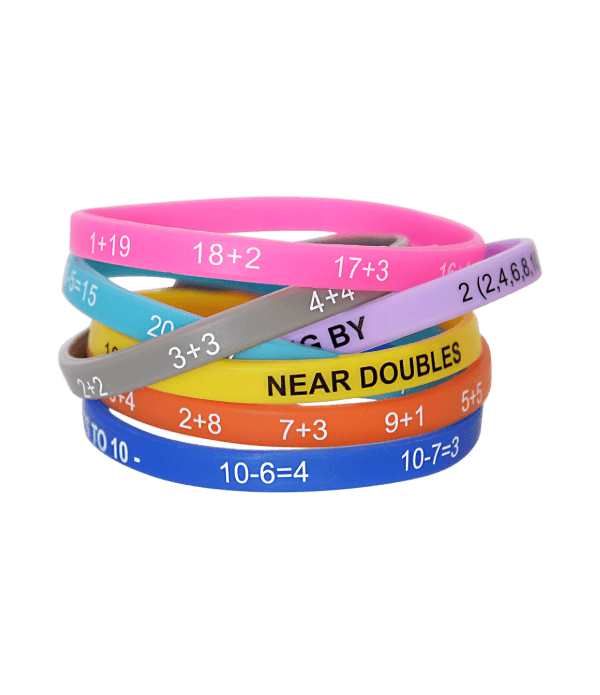


Three More After-School Activities That Build Real Skills
3. Division and Maths Fact Practice
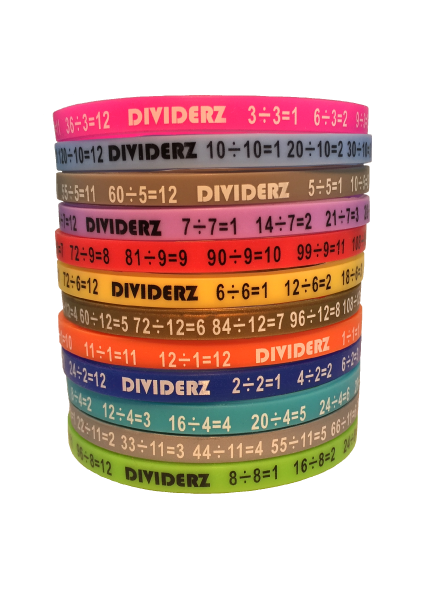
Division is often harder to memorise than multiplication because it's taught later and practised less. Dividerz wristbands use the same wearable concept as Multibandz, making division facts accessible and fun to review during after-school downtime. Children who wear their Dividerz during homework time often improve their recall significantly within a few weeks.
4. Educational Facts and General Knowledge
Facts-to-wristbands extend the concept beyond maths. These wristbands feature general knowledge facts across science, history, and geography — turning every glance at their wrist into a micro-learning moment. For curious kids, they're endlessly engaging and great conversation starters.
5. Emotional Regulation and Mindfulness
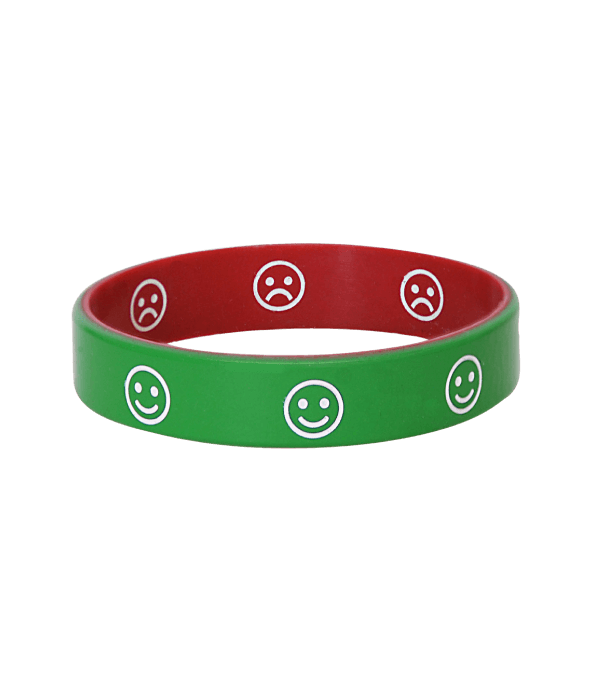
Social-emotional learning (SEL) is now recognised as a critical component of children's development. After-school programs that focus on emotional regulation, mindfulness, and interpersonal skills produce measurable improvements in behaviour, academic engagement, and mental health. Emotion bracelets help children name and communicate their feelings — a foundational skill for emotional regulation.
Making After-School Learning Stick
The most effective after-school activities combine routine, enjoyment, and appropriate challenge. Keep sessions short (20–30 minutes for primary-age children), celebrate small wins, and vary the format to maintain engagement. Educational wristbands work particularly well because they blur the line between learning and play — children don't feel like they're doing extra schoolwork.
For schools looking to extend learning into the home environment, distributing facts wristbands or times table bands as part of a homework program creates a consistent, positive learning ritual that parents can easily support.
Frequently Asked Questions
What are the best after-school activities for primary school children?
Mathematics practice, reading programs, art and creative activities, physical sport, and emotional regulation programs consistently show the strongest learning outcomes for primary-age children. Activities that combine physical engagement with cognitive challenge — like educational wristband programs — are particularly effective for kinaesthetic learners.
How do times table wristbands help children learn maths?
Times table wristbands display multiplication facts on a wearable band, creating constant low-stakes exposure throughout the day. The repeated, multi-sensory engagement (visual + tactile) accelerates memorisation compared to traditional flashcard methods. Children can quiz each other in natural social settings, making the learning feel like play.
At what age should children start after-school activities?
Light, play-based after-school activities can begin as early as age 4–5. Structured academic support programs are most effective from age 6–7 onward, when children have developed sufficient attention spans for focused practice. The key is to match the activity complexity to the child's developmental stage.
Can educational wristbands be used in classrooms as well as at home?
Yes. Handband's educational wristbands — including Multibandz, Dividerz, and Facts-to-Wristbands — are used in classrooms, tutoring sessions, and at home. Many teachers distribute them as reward items or incorporate them into maths rotations and warm-up activities.
April 12, 2026

Share on Facebook

Share on X

Share on Pinterest
Comment(s)
Recent Posts