

Adult-onset food allergies are quietly becoming one of the most under-recognised public-health issues in Australia and the UK. The popular narrative says food allergy is a childhood condition that most kids grow out of by their teens. The reality — backed by 2024 data from the Royal College of Physicians and ASCIA — is that approximately 1 in 10 adults now report at least one food allergy, and roughly half of those developed it AFTER age 18. New-onset allergies to shellfish, tree nuts, peanut, sesame and even adult-acquired alpha-gal (red meat) syndrome are showing up in GP clinics every week. For these adults, a custom-engraved silicone medical alert wristband is the difference between a textbook clinical response and a guessing-game emergency. This 2026 update covers the seven most common food allergies in Australian and UK adults, what to do on first reaction, and how visible medical ID protects you in restaurants, hospitals, travel and work.
The seven most common adult food allergens in 2026
Per current ASCIA + Allergy UK classification, ranked by prevalence + severity in adults:
- Shellfish (crustacean + mollusc) — the single most common adult-onset allergy. Prawn, lobster, crab + bivalves. Reactions are typically severe and lifelong once diagnosed.
- Tree nuts — cashew, almond, walnut, pecan, pistachio, brazil. Cross-reactivity common between species.
- Peanut — technically a legume but clinically grouped with nuts. Often persists from childhood; some adults develop new sensitivity.
- Fin fish — salmon, tuna, cod, mackerel. Less common in childhood but rising in adults.
- Sesame — rising sharply in the UK + Australia since 2020. Often missed because it’s a hidden ingredient in many adult-frequent foods (hummus, tahini, bread).
- Wheat / gluten (true IgE) — distinct from coeliac disease. Can cause anaphylaxis, particularly during exercise-induced reactions.
- Alpha-gal syndrome (red meat) — triggered by tick bites in the US, increasingly diagnosed in Australia. Delayed-onset (3 to 6 hours after eating beef, lamb, pork).

Adult-onset allergy — why now?
Researchers identify several drivers of the adult-onset allergy spike:
- Pollen-food syndrome cross-reactivity (pollen allergens prime the immune system to react to similar proteins in raw fruits + vegetables).
- Antibiotic use disrupting gut microbiota.
- Adult-onset shellfish allergy linked to increased per-capita seafood consumption.
- Tick-bite-induced alpha-gal syndrome (red meat allergy via the lone-star tick or Australian paralysis tick).
- Anti-acid medication use (PPI) lowering stomach-acid-mediated protein denaturation, allowing intact proteins to trigger IgE responses.
- Vitamin D deficiency associated with adult-onset food allergy.
Recommended for you
Products related to this article
Hand-picked to go with what you just read.


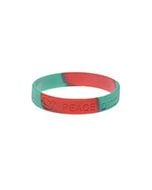
Recognising an adult anaphylactic reaction
Adult anaphylaxis often presents differently from childhood anaphylaxis. The symptom cascade:
- Initial — tongue tingling, lip swelling, itchy palate.
- 5 to 10 minutes — hives over chest, neck, face. Sudden facial flushing.
- 10 to 20 minutes — throat tightness, voice change, difficulty swallowing, cough.
- 15 to 30 minutes — abdominal pain, vomiting, watery diarrhoea.
- 20 to 45 minutes — respiratory distress, wheezing, sudden drop in blood pressure, collapse.
Adults often delay treatment because they convince themselves it’s "just food poisoning" or "stress." This delay is fatal in roughly 30 fatal Australian + UK anaphylactic events per year.
What to engrave on an adult food-allergy wristband
Per the ASCIA Anaphylaxis Action Plan template:
- Line 1: ANAPHYLAXIS — [primary allergen, capital letters]
- Line 2: EpiPen 0.3mg IM outer thigh
- Line 3: Emergency contact + mobile
- Line 4: NHS Number / Medicare / private health insurer
If you have multiple severe allergies (e.g. shellfish + tree nut + sesame), prioritise the most-anaphylactic one on Line 1 and list secondaries on Line 2 if space allows.
Eating out with an adult food allergy — the restaurant routine
Allergy-safe restaurant ordering is a learned skill. The 2026 best-practice routine:
- Book ahead — mention the allergy when reserving. Choose restaurants with documented allergen policies.
- Arrive early — before the kitchen is busy.
- Speak to the chef, not the server — if possible. Servers may forget; chefs control the kitchen.
- Carry your wristband visibly — staff see the band, your verbal request is reinforced.
- Use the allergen chart — UK + EU restaurants are required by law to provide one (since 2014). Australian venues are increasingly providing one.
- Decline ambiguity — if the chef can’t guarantee no cross-contact, change orders.
- EpiPen in pocket — not in coat checked at the door.
Hospital admissions and the food-allergy patient
Adults admitted to hospital with an unrelated condition (broken leg, appendix, COVID) routinely receive ward food without the kitchen staff knowing about the allergy. The medical wristband + the hospital admission form + the allergy alert in the medical chart are three independent layers. All three should agree.
Australian + UK hospital ward catering kitchens follow ASCIA / Allergy UK / FSA standards but errors do happen — particularly during shift changes. The wristband is the constant visible reference.
Travel with an adult food allergy
International + domestic travel requires extra prep:
- EpiPens in cabin baggage with a doctor’s letter (TGA/MHRA-format).
- Allergy translation cards in destination language (use Selectwisely.com or similar).
- Travel insurance pre-clearance for the pre-existing allergy condition.
- Research destination allergens (e.g. peanut oil is common in Thai + Indonesian cooking).
- Medical wristband + wallet card always on the body, not in checked luggage.
- Emergency-services number for destination (911 US/CA, 112 EU, 119 Japan, 110 Norway).
Workplace and food allergies
Australian + UK workplaces of more than 100 employees must have trained first aiders. Best-practice food-allergy management at work:
- Notify HR + line manager of the allergy.
- Confirm EpiPens are accessible in your locker / desk drawer.
- Confirm the workplace fridge is allergen-aware (no peanut butter beside your lunch).
- Brief colleagues on EpiPen administration.
- Wear visible medical ID daily.
- If you travel for work, confirm allergy disclosure on company travel forms.
Pollen-food syndrome (oral allergy syndrome)
A milder adult-onset food reaction triggered by pollen-related protein cross-reactivity. Symptoms include tingling lips + itchy mouth after eating raw apples, peaches, kiwi, cherries, melons, almonds, hazelnuts, walnuts. Usually mild but can escalate. Cooking the food typically denatures the trigger protein. Carry a medical alert if your reactions have escalated past oral symptoms.
Adult-onset alpha-gal syndrome (red meat allergy)
Triggered by tick bites containing alpha-gal sugar molecules — primarily the lone-star tick in North America + the Australian paralysis tick. Reactions appear 3 to 6 hours AFTER eating beef, lamb or pork — making diagnosis difficult. Australian + US ED presentations of this allergy have risen 10x since 2015. If you live in a tick-endemic area + experience delayed-onset hives or anaphylaxis after red meat, request testing.
Common adult food allergens hiding in unexpected places
- Sesame — hummus, tahini, bread (especially burger buns), salad dressings, marinades, Asian sauces.
- Soy — soy sauce, miso, edamame, processed meats, chocolate (sometimes), bread.
- Peanut — Thai + Indonesian sauces, breakfast cereals, granola bars, vegetarian protein blends.
- Tree nut — pesto, Asian satay, baked goods, mortadella, baklava.
- Shellfish — Caesar salad dressing (anchovies), Asian fish sauces.
- Wheat — soy sauce, stock cubes, processed soup, deli meat.
- Egg — mayonnaise-based dressings, glaze on baked goods, marshmallows.
- Dairy — "non-dairy" creamers (some have casein), processed meat, processed bread.
What to do on first reaction
If you experience a first-time food reaction as an adult:
- Save the food packaging / take a photo of the menu item.
- Note the time + symptoms + dose eaten.
- Photograph any hives or visible swelling.
- Visit your GP for a referral to an allergist / immunologist.
- Request specific IgE testing (skin-prick or blood RAST).
- If anaphylactic, get an EpiPen prescription + Anaphylaxis Action Plan.
- Order a medical alert wristband within 7 days of diagnosis.
Verbal handover — what paramedics need from the wristband
UK + Australian paramedics arriving on scene need:
- Allergen name (read it verbatim from the wristband).
- EpiPen administered? Yes / no, how long ago.
- Any other medications taken (anti-histamines, etc).
- Emergency contact mobile (call ASAP).
- NHS Number / Medicare for ED check-in.
Frequently asked questions
Frequently Asked Questions
Quick answers from the Handband team
Can adults really develop new food allergies?
Yes. Half of adult-reported food allergies developed after age 18. Drivers include pollen-food syndrome, antibiotic-induced microbiota shifts, alpha-gal tick-bite syndrome, PPI medication, and dietary changes.
What is the most common adult-onset food allergy?
Shellfish (crustacean + mollusc) leads adult-onset cases. Tree nut and sesame are rising rapidly in the UK and Australia.
Should an adult with food allergy carry an EpiPen?
If you’ve had even one anaphylactic event, yes. Carry two (one primary + one backup). EpiPen 0.3mg is the adult dose; EpiPen Jr 0.15mg is for under-30kg children.
What is alpha-gal syndrome?
An adult-onset allergy to red meat (beef, lamb, pork) triggered by tick bites containing alpha-gal sugar molecules. Reactions occur 3 to 6 hours after eating, making diagnosis difficult. Rising rapidly in tick-endemic regions of the US and Australia.
Do restaurants have to know about my allergy?
UK + EU restaurants must provide allergen information by law (since 2014). Australian venues are increasingly required. Always inform the chef directly, not just the server, and wear visible medical ID.
What should be engraved for an adult shellfish allergy?
Line 1: ANAPHYLAXIS SHELLFISH. Line 2: EpiPen 0.3mg IM outer thigh. Line 3: Emergency contact + mobile. Line 4: NHS Number / Medicare.
Can I outgrow an adult-onset allergy?
Less common than childhood allergies. Adult-onset shellfish, fin fish and tree nut allergies are typically lifelong. Pollen-food syndrome can fluctuate with seasonal pollen exposure.
References
- ASCIA — Adult Food Allergy allergy.org.au
- Allergy UK allergyuk.org
- Anaphylaxis UK anaphylaxis.org.uk
- Allergy & Anaphylaxis Australia allergyfacts.org.au
- NHS nhs.uk
- Royal College of Physicians UK

Written by
Founder, Handband
Founder of Handband; specialist in custom wristbands and promotional products for events, schools, charities, and brands.
← Previous
Eco Friendly Wristbands for Events: Sustainable Options for Festivals and Brands
Next →
College Wristbands: Custom Bands for Campus Events and Football Games
Comment(s)