
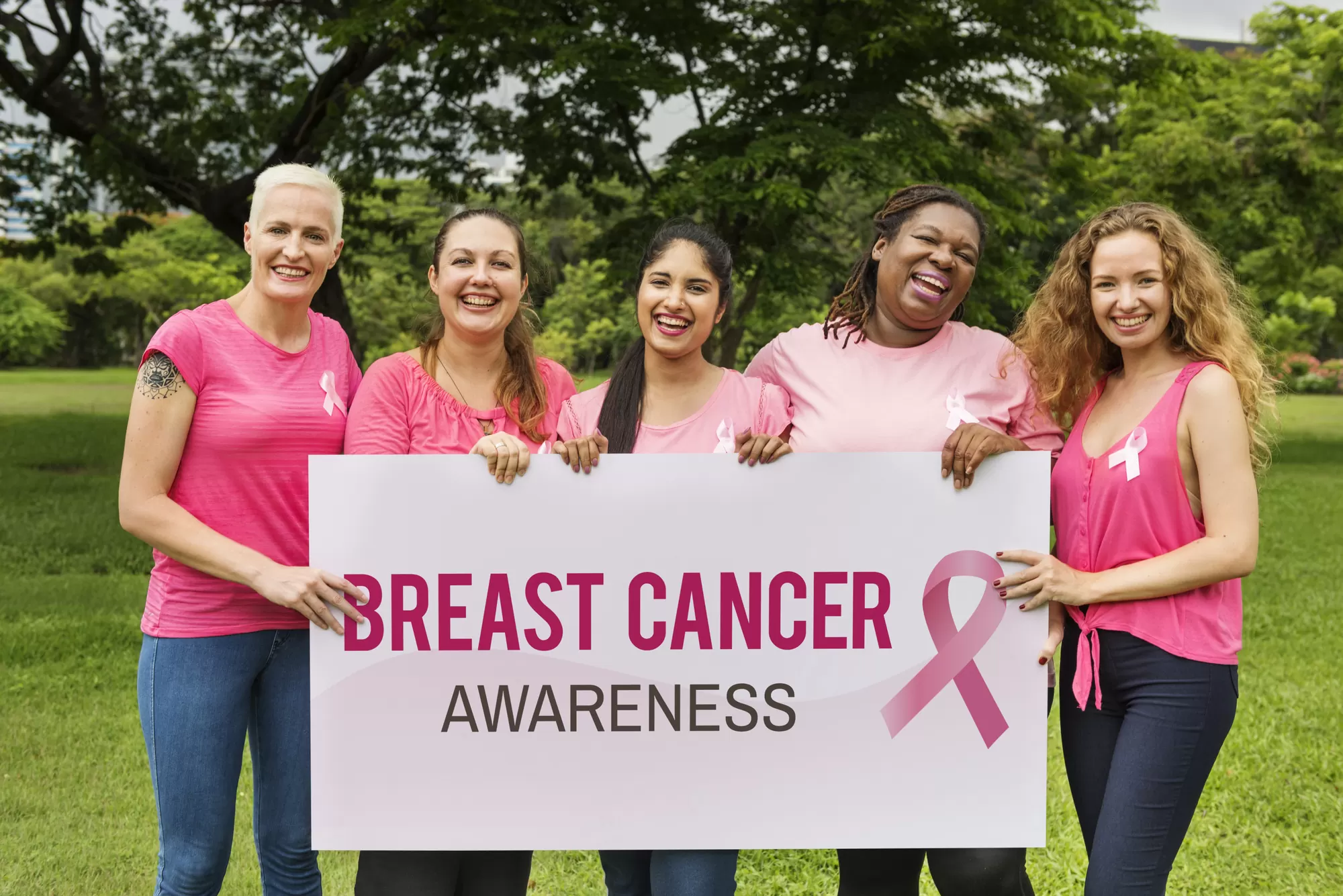
When the small Madison community heard about young Brooke’s health journey, they did what countless tight-knit communities have done before and since: they ordered tribute bracelets, sold them locally, and turned solidarity into something visible. Brooke’s story is one specific example of a much bigger pattern — the personal tribute bracelet campaign that has anchored thousands of community fundraisers since the late-2000s.
This article unpacks how those personal tribute bracelet campaigns actually work, what makes them succeed, and the design and distribution choices that separate the campaigns that gather real momentum from the ones that fade after one weekend.
Why Personal Tribute Bracelets Work
Tribute bracelets — specifically engraved with one person’s name — outperform generic charity bracelets in community settings for three reasons:
- Personal connection. Buyers know the person or one degree away. The cause is concrete, not abstract.
- Conversation starter. A wristband with one specific name on it invites “who’s Brooke?” The story spreads naturally.
- Long-term wear. Generic charity bands come off after a month. Personal tribute bands often stay on for years.
The Engraving Format That Sells Best
Within the 25-character debossing limit, three formats consistently outperform generic alternatives:
- NAME · YEAR (e.g., “BROOKE 2026”) for ongoing-treatment campaigns
- FIGHT WITH NAME (e.g., “FIGHT WITH BROOKE”) for active-support campaigns
- NAME · DATES (e.g., “BROOKE 2009-2026”) for memorial campaigns
Avoid: full names with surnames (eats characters), photos (don’t deboss well), abstract slogans without the name (defeats the purpose). The name is the point.
Recommended for you
Products related to this article
Hand-picked to go with what you just read.
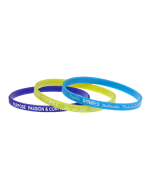
Choosing the Right Colour
Cancer cause colours have global recognition. Match the band to the cause:
- Hot pink — breast cancer
- Purple — pancreatic cancer, Alzheimer’s, general cancer awareness
- Gold — childhood cancers
- Yellow — bladder cancer, sarcoma, troops support
- Light blue — prostate cancer, lymphedema
- Green — mental health, kidney cancer
If the cause doesn’t have an established colour, pick the affected person’s favourite colour or their team’s colour. Personal trumps protocol.
Read our breast cancer awareness bracelet guide for the full pink-ribbon protocol or the handbands-make-a-difference case studies for examples of community-led tributes.
The Distribution Plan That Raises Real Money
A small-town tribute campaign needs five distribution points to break out of the immediate family circle:
- Family’s workplace counter. Someone in the family works somewhere — that desk becomes the primary sale point.
- School community. If the affected person is school-age, classmates and teachers buy in.
- Local cafe / pub. A counter jar with a laminated story card.
- Sports clubs and church groups. Existing community gathering points.
- Social media. A single post with cause story, photo, and bank-transfer / PayID details.
A typical 4-week tribute campaign across these channels moves 300-500 bands.
Sensitivity: The Biggest Mistake to Avoid
Tribute campaigns can hurt the affected family if not handled carefully. Three guardrails:
- Get explicit family permission before launching. Ask which name format and which cause-detail level they’re comfortable with.
- Be transparent about money flow. State exactly where proceeds go — medical bills, cause charity, ongoing care.
- Don’t over-share medical details. The wristband campaign doesn’t need to tell the world the diagnosis. The name and the love are enough.
See our memorial wristband ideas piece for more sensitivity guidance.
What Brooke’s Story Teaches Other Families
The Madison campaign worked because the community already cared. The wristband didn’t create the support — it gave existing supporters something tangible to do. That’s the lesson for any family considering a tribute campaign: the wristband isn’t a marketing tool. It’s a permission slip for friends and neighbours who already wanted to help but didn’t know how.
Browse the Fundraising category for the full product range. We can advise on engraving, colour and lead time for any tribute campaign — just contact us with the affected person’s name and cause.
Closing Thought
Brooke’s 2013 tribute bracelets weren’t the first or the last. They were one community’s response to one family’s hard time, in a format other communities have been quietly copying for years. If you’re considering a tribute campaign for someone close, the model still works in 2026 — with social media added on top, but the same fundamentals: a name, a colour, a venue, neighbours who care.
Frequently Asked Questions
Should I get permission before starting a tribute bracelet campaign?
Always. The affected family gets to decide the name format, the cause-detail level, where proceeds go, and how public the campaign should be. A 10-minute conversation respects them and prevents the campaign from accidentally becoming about the wrong people.
What if the affected person doesn't want their full name on the band?
Use a first name only, initials, or a nickname they've approved. “FOR B” or “B STRONG” can preserve privacy while keeping the personal touch. The community typically already knows who the band represents — full names are not required.
How much money can a personal tribute bracelet campaign raise?
For a 4-6 week campaign with 300-500 bands at each, 00-,000 net is typical. Larger multi-venue or workplace-supported campaigns can reach ,000-5,000. The variable is how well-connected the affected family is to the community.
What's the right colour if the cause doesn't have an established awareness colour?
Pick the affected person's favourite colour or their school/team colour. Personal beats protocol. The community recognises the band by association with the person, not by colour-coded cause.
Can we do a tribute campaign for someone who has already passed away?
Yes — memorial campaigns use the format NAME · DATES (e.g., “BROOKE 2009-2026”). Memorial bands often outsell active-support bands because they become permanent keepsakes. Be sensitive about timing — typically 3-12 months after passing is when communities are ready to support a memorial drive.

Written by
Founder, Handband
Founder of Handband; specialist in custom wristbands and promotional products for events, schools, charities, and brands.
← Previous
Sports Team Tribute Wristbands: How A Soccer Club Fundraiser for a Coach's Family Works (2026)
Next →
Big Names Spotted Wearing ECU Grad's Support Bracelets: How Celebrity Wristband Amplification Works (2026)
Comment(s)