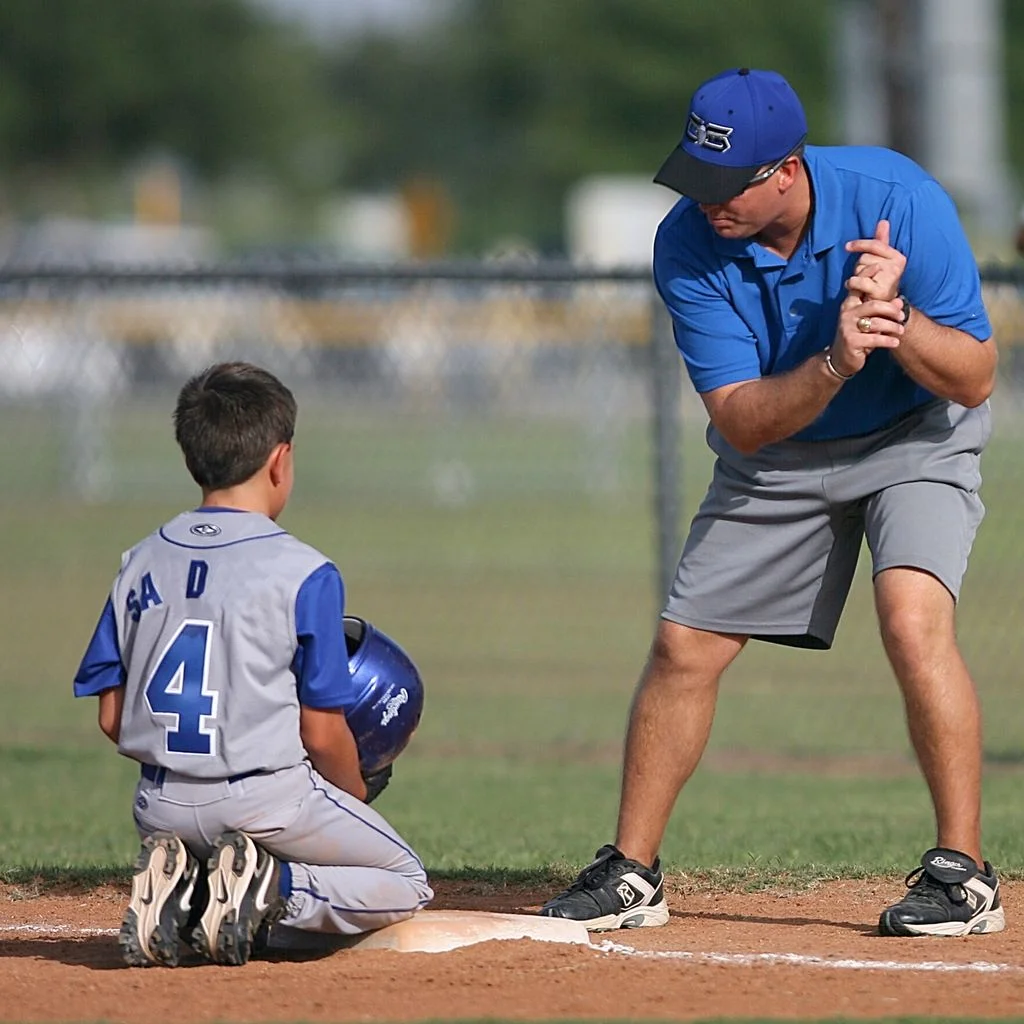

Crosby, Stills, Nash & Young sang “Teach Your Children Well” in 1970. Five decades later, the parents and teachers reading this are still asking the same question they were: how do we actually do that — well, consistently, without burning out the kids or ourselves?
The honest answer in 2026 is unchanged from 1970, just with better evidence. Teaching children well looks unglamorous. It’s mostly small daily habits, repeated for years, with a few visible cues that anchor what matters. This guide unpacks what the educational-research literature says works, where Handband’s wristband-based learning aids fit, and how teachers and parents can stop reinventing the wheel.
The 4 Things Teaching Well Always Includes
Across decades of education research (Hattie, Dweck, Willingham), four factors keep showing up as high-leverage:
- Specific feedback on effort and process — not generic praise or just grades.
- Spaced practice — short, frequent retrieval beats long marathon study.
- Visible standards — the child knows what success looks like before starting.
- Emotional safety to fail and try again — mistakes treated as data, not personal failures.
Notice what’s absent: expensive tutoring, “learning style” matching, fancy apps. Those rank low or have negative effects in meta-analyses. The high-leverage things are simple, cheap, and repeatable.
Where Wristbands Fit: The Spaced-Practice Story
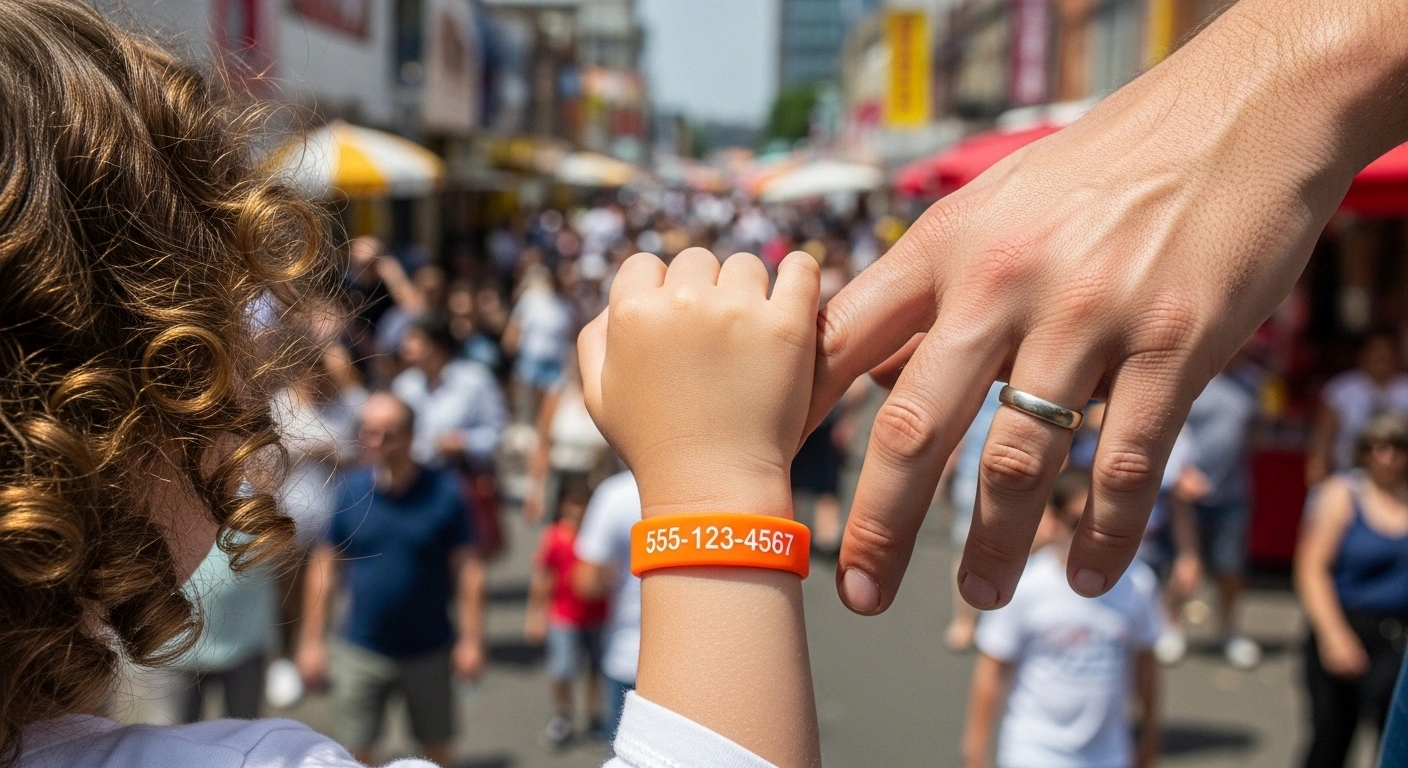
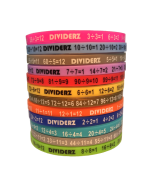
The single behaviourally-supported claim Handband makes is this: a wristband worn 8-10 hours a day delivers spaced retrieval automatically. The child glances at the band hundreds of times daily, and each glance is a 0.5-second retrieval rep on the printed content (a times-table, a division fact, a state capital).
Roediger and Karpicke (2006) showed distributed retrieval beats blocked study by a wide margin for long-term retention. Multibandz, Dividerz, and Facts-To wristbands turn that principle into a wearable. No app, no parent supervision, no homework battle — just incidental exposure that compounds.
Read our how-wristbands-inspire-students piece for classroom-tested approaches and the helping-kids-achieve-their-best guide for the structured plan parents can follow.

Recommended for you
Products related to this article
Hand-picked to go with what you just read.
Specific Praise: The Single Highest-Leverage Habit
Teaching children well leans heavily on Carol Dweck’s growth-mindset research. The summary in plain English: praise effort and process, not innate ability.
- Bad: “You’re so smart!” (creates fragile confidence that collapses at first failure)
- Good: “You stuck with that maths problem for 25 minutes. That’s how it gets easier.” (builds resilience)
- Bad: “Well done, you got an A.”
- Good: “You used three different strategies on that page — which one helped you most?”
This sounds simple. It’s extraordinarily hard to do consistently. Most adults default to outcome praise because it’s faster. Teaching well means catching yourself.
The Daily Routine That Actually Works
Highly-effective parents and primary teachers we’ve interviewed share a common rhythm:
- Morning routine = stable. Same wake-up time, same breakfast structure, predictable transition to school.
- After-school = 60-minute decompression. Snack, outside time, no schoolwork yet.
- 30-minute work block. Same time, same kitchen-table spot. Ages 7-9: 20 min. Ages 10-12: 30 min.
- Evening close = predictable. Bath, book, bed at the same time. Sleep is the variable that matters most.
Inside that routine, Multibandz become invisible. The child doesn’t need to be reminded — they glance at the band during snack, during the work block, during teeth-brushing.
Subjects Where Wristbands Help Most
- Times tables (ages 7-11) — classic Multibandz use case
- Division facts (ages 9-12) — Dividerz follow-up after Multibandz
- State capitals or country lists — Facts-To wristbands
- Periodic-table elements for high-school chemistry
- Foreign-language vocabulary for primary-school L2 learners
- Emotional vocabulary via Emotion Bracelet for younger kids learning to name feelings
Browse the Schools category for the full education range with bulk discounts for class sets.
Common Teaching Mistakes (Easily Fixed)
- Confusing busy with effective. A child doing 2 hours of poor-quality homework learns less than 25 focused minutes.
- Filling silence. Wait 5 seconds after asking a question. Most teachers wait 1 second, then answer themselves.
- Punishing mistakes. The mistake is the data; the lesson is in the recovery, not the error.
- Forgetting sleep. A 9-year-old needs 9-11 hours. A tired child looks like a struggling learner.
Avoid those four and you’ve already covered most of what “teaching well” requires.
Closing Thought
Teaching children well isn’t a curriculum or a set of apps. It’s a slow accumulation of small daily habits, plus an adult who notices, plus the courage to let mistakes be ordinary. Handband’s wristbands are a small lever in that bigger system — they make spaced practice automatic. But the system is the thing. Get the system right and the bands quietly do their job.
Frequently Asked Questions
What's the single most important habit for teaching children well?
Specific praise on effort and process. “You stuck with that for 25 minutes” outperforms “You’re so smart” in every long-term outcome study. Catch the effort, not the result.
How much homework should a primary-school kid do?
Roughly 10 minutes per grade level (so Year 3 = 30 min). Ages 7-9: 20 minutes; ages 10-12: 30 minutes. After that, returns drop sharply, and the kid learns to dislike learning. Quality over quantity.
Do Multibandz really help with maths?
For times tables and basic facts, yes — they deliver hundreds of micro-retrieval reps daily, which is exactly what cognitive science (Roediger and Karpicke) shows is the most effective way to consolidate facts. They don’t replace teaching concepts, but they’re excellent for fluency.
When should I worry that my child isn't learning?
If standard interventions (consistent routine, sleep, learning aids) don’t produce visible progress in 4-6 weeks, talk to the teacher and consider an educational-psychologist assessment. Conditions like dyscalculia and ADHD are common and well-supported when identified.
Are wristbands distracting in the classroom?
Most teachers we’ve talked to report the opposite — Multibandz become a calming focal point during quiet desk work. They make no noise, need no power, and require no teacher attention to function.

Written by
Founder, Handband
Founder of Handband; specialist in custom wristbands and promotional products for events, schools, charities, and brands.
← Previous
Installing Pride: How Teams, Schools & Workplaces Build Identity (2026)
Next →
Wristbands for Joey Frase at Something's Brewing: How Local Community Fundraisers Work (2026)
Comment(s)