

Quick answer
A silent disco is a party where the music plays through wireless headphones instead of speakers. Most systems run two or three channels, each with its own DJ or playlist — guests switch channels on the headset, and the LED colour shows which one they are dancing to. Because there is no amplified sound, it works in venues and at hours a normal disco cannot.
Walk into a silent disco with the headphones off and you see a room of people dancing to nothing, singing three different songs at once. Put the headphones on and it makes perfect sense. The format has moved from festival novelty to one of the most-booked party formats in Australia — for schools, fundraisers, work parties and weddings — largely because it solves the two problems that kill events: noise restrictions and one playlist trying to please everyone.
What is a silent disco and how does it work?
A silent disco replaces speakers with wireless headphones. One or more transmitters broadcast the music on separate channels, and every headset receives all of them — guests flick a switch to change channels, and the headset’s LED glows a different colour per channel. Turn the headphones off and the room is quiet.
The channel game is what makes the format. Run a DJ battle across two channels and watch the room split into colour tribes; run three decades on three channels and every generation at a wedding dances at once. The transmitters have enough RF range to cover a school hall, a rooftop or a paddock, and because nothing is amplified, a silent disco can run past noise curfews that would shut a speaker system down.
How much does a silent disco cost to run?
Hire companies price silent discos per headset, per night, with the transmitters usually included — so the cost scales with your headcount, not the venue. The main cost drivers are the number of headsets, the hire period, delivery and pick-up, whether you add a DJ or run your own playlists, and a refundable bond against lost or damaged headsets. Get two or three quotes for your date and numbers — prices vary widely by city and season, and weekend dates book out.
Two budget tips: charge a small headset deposit at the door and refund it at return — it protects your bond — and check whether your venue or organisation already holds a music licence (in Australia, OneMusic covers most recorded-music use at events; your venue or hire company can tell you what applies).
Recommended for you
Products related to this article
Hand-picked to go with what you just read.


How to run a silent disco: five steps
- Book the headsets early. Count on one headset per guest plus around ten per cent spare. Confirm channels (two minimum, three is the sweet spot), delivery time and the bond terms.
- Plan the channels. A DJ battle, three decades, or one channel each for the kids, the parents and the grandparents. Name the channels on signage so guests know what the colours mean.
- Sort entry and tiers. Band guests at the door as you hand out headsets — one wristband colour per ticket type or age group makes headset returns and bar service easy to manage. For licensed events, a distinct band for over-18s does the age check once.
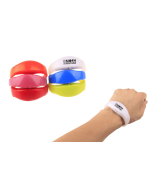
- Light it properly. The glowing headsets are the show — keep the room dim and add UV or glow elements so the colours pop. Glow-in-the-dark and LED wristbands carry the effect onto the dance floor.
- Run the return. The end of the night is where headsets go missing. Swap headset for deposit band at a single exit point, count the crates before the hire company leaves, and reconcile against the bond.
Silent disco ideas for schools, fundraisers and parties
School discos: the format solves supervision and noise in one move — teachers can talk at normal volume, and the hall next to a residential street stays quiet. Fundraisers: sell tickets by headset and add a glow-gear stall; our fundraising ideas and school fundraising ideas guides cover the mechanics. Work parties: a silent disco after dinner lets the dancers dance while the talkers talk — it features in our work Christmas party ideas. Weddings and 18ths: noise curfews stop being the reason the night ends at ten.
Wristbands, entry and glow on the night
A silent disco adds one logistics job a normal party does not have: several hundred headsets that all need to come back. A simple wristband system carries most of that load — a Tyvek entry band per ticket holder, a colour per session or age group, and a distinct band swapped against each returned headset. Add glow-in-the-dark or LED bands and the crowd itself becomes part of the light show.
Custom silicone bands are printed or debossed with your event name and start from a minimum of four per design; Tyvek suits high-volume single-night entry. Lead time depends on quantity — typically 10 to 14 business days, with larger runs taking longer and quicker turnarounds available on application — so order once your date and headset numbers are set.
Custom LED wristbands → Tyvek entry bands →
Silent disco FAQ
Can you hire silent disco equipment in Australia?
Yes — hire companies in every capital city rent headsets and transmitters per night, priced per headset with the transmitters included. Book early for weekend dates, confirm the bond terms, and allow about ten per cent spare headsets over your expected headcount.
Do silent discos work for school events?
Very well. Teachers can supervise and talk at normal volume, neighbouring streets hear nothing, and channel-switching keeps every year group happy. Pair headsets with a wristband per student for entry and headset returns, in house colours if you want the channel game to match.
Do you need a music licence for a silent disco?
Playing recorded music at an organised event generally needs a licence in Australia — OneMusic Australia administers most of it. Many venues already hold one, and hire companies can point you to what applies. Check before the night rather than after.
How many channels should a silent disco have?
Two is the minimum for the channel-switching fun; three is the sweet spot for mixed crowds — typically current hits, throwbacks and a wildcard. More than three splits the dance floor too thinly unless the event is very large.
Related reading
- Fundraising ideas for Australian schools, clubs and causes
- School fundraising ideas for primary and high schools
- Work Christmas party ideas for Australian teams
- Wristbands for events: the complete guide
- Music festival wristbands
Running a silent disco? Light up the wrists too.
LED, glow and entry wristbands from four per design — tiers, headset returns and the light show, designed in Sydney.
Frequently Asked Questions
Quick answers from the Handband team
What is a silent disco?
A silent disco is an event where guests dance to music streamed to wireless headphones instead of loudspeakers. With the headphones off, the room is near-silent.
How do silent disco headphones work?
Each headset receives one or more radio channels from a transmitter. Guests switch channels to pick a DJ or genre, and an LED on the headset shows which channel they are on.
How many channels do I need?
Most hire kits offer three channels, letting you run three DJs or playlists at once and see which is most popular by the headset colours in the crowd.
What does it cost to hire a silent disco?
Pricing is usually per headset for the night plus transmitters, so cost scales with guest numbers. Get a per-head quote based on your venue and hours.
Are silent discos good for schools and fundraisers?
Yes — no venue noise limits, easy to run later, and you can charge entry or hire per head, which makes them a strong fundraiser.
How do wristbands help at a silent disco?
Entry and tiered wristbands control who collects a headset, mark paid guests, and speed up the return of hire equipment at the end of the night.
← Previous
Custom Wristbands for Sports Teams and Clubs: Ideas, Uses and How to Order
Next →
What Wristband Colours Mean: Festival, Event and Awareness Bands
Comment(s)