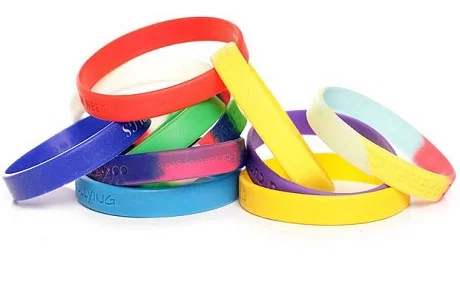
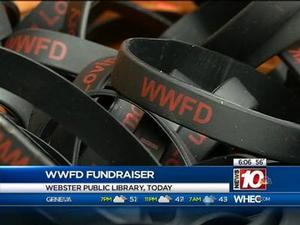
Wristband news in the health and first-responder space tends to repeat the same successful pattern: a community group orders bands, sells them at $5–$10 with margin going to a cause, raises meaningful money in days. The West Webster firefighter wristband campaign is one of dozens of similar drives that have raised tens of thousands for departments, victims and survivors.
Below is what those campaigns have in common and how any community can run a similar program.
Why Wristband Fundraisers Work for Cause News
- Cheap to produce. Bulk silicone bands cost cents at scale.
- Easy to sell. Donors get something physical for their $5–$10.
- Lasting visibility. Bands stay on for months — awareness compounds long past the news cycle.
- Community-led. Departments and local groups can run programs without external charity infrastructure.
The Common Pattern Across Successful Drives
- A clear cause. A specific firefighter, family, victim, or fund — not a vague “help us out”.
- A registered receiving charity. Trust matters — donors need to know where the money goes.
- Local press and social media amplifying the launch.
- Weekly progress updates with dollars raised.
- A public closing total with a thank-you.
Recommended for you
Products related to this article
Hand-picked to go with what you just read.
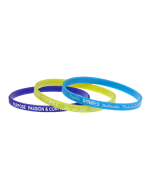
Designing the Cause Band
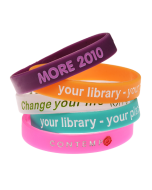
- Match colour to cause. Red for firefighters, yellow for cancer, pink for breast cancer.
- Short slogan. 1–3 words plus the receiving charity name.
- Engraved (debossed) text for permanence.
- Wide-band format for maximum visibility.
A Day-by-Day Launch Plan
- Day -42: Confirm cause and charity partner. Order bands.
- Day -28: Local press release prepared.
- Day -7: Bands arrive. Volunteer briefings held.
- Day 0: Public launch. First press coverage. Initial sales.
- Day +7–28: Weekly progress updates. School/workplace push.
- Day +30: Public total announcement. Thank-you to donors and partners.
Premium Tier — Aluminium Dog Tag
For inner-circle supporters and major donors, an engraved aluminium dog tag at $20–$30 is a more substantial keepsake. Dual-tier campaigns ($5 wristband + $25 dog tag) consistently raise more than single-product runs.
A Tool That Channels Goodwill Into Money
Wristband fundraisers won’t fix every problem. But for community causes that need money, awareness and visible solidarity, they’re among the highest-leverage tools available. Brief our team with the cause, partner charity and timeline — we’ll handle the rest.
Frequently Asked Questions
How do healthy-cause and first-responder wristband campaigns work?
Order custom debossed bands at $1–$2 unit cost. Sell at $5–$10 to community supporters. Difference goes to a registered cause or fund. A 200–500 band drive typically raises $500–$2,500 for the cause — with months of visibility on every wearer’s wrist.
Why do firefighter cause campaigns outperform other fundraisers?
First-responder fundraisers consistently raise more than equivalent campaigns for non-uniformed beneficiaries. Public goodwill is enormous and donors are quick to pledge for police, fire and paramedic causes.
What colours work best for cause-themed bands?
Match colour to cause: red for firefighters, yellow for cancer survivorship, pink for breast cancer, orange for anti-bullying, purple for memorial. Avoid colours already strongly associated with unrelated causes.
How long does production take for a community fundraiser?
Custom debossed bands take 2–3 weeks plus shipping. For tight timelines (a benefit dinner, anniversary), stock coloured bands ship within days — can be paired with a printed sticker.
Where should the proceeds go?
Pick a registered charity tied to the cause: department benevolent fund, registered first-responder charity, registered health charity, or family medical fund (with proper legal structure). Confirm partnership in writing and publish a final dollars-raised figure.

Written by
Founder, Handband
Founder of Handband; specialist in custom wristbands and promotional products for events, schools, charities, and brands.
← Previous
I’m an Organ Donor — See My Wristband: How Donor Bands Save Lives (2026)
Next →
Handbands and Healthy Living: How Visible Cues Make Habits Stick (2026)
Comment(s)