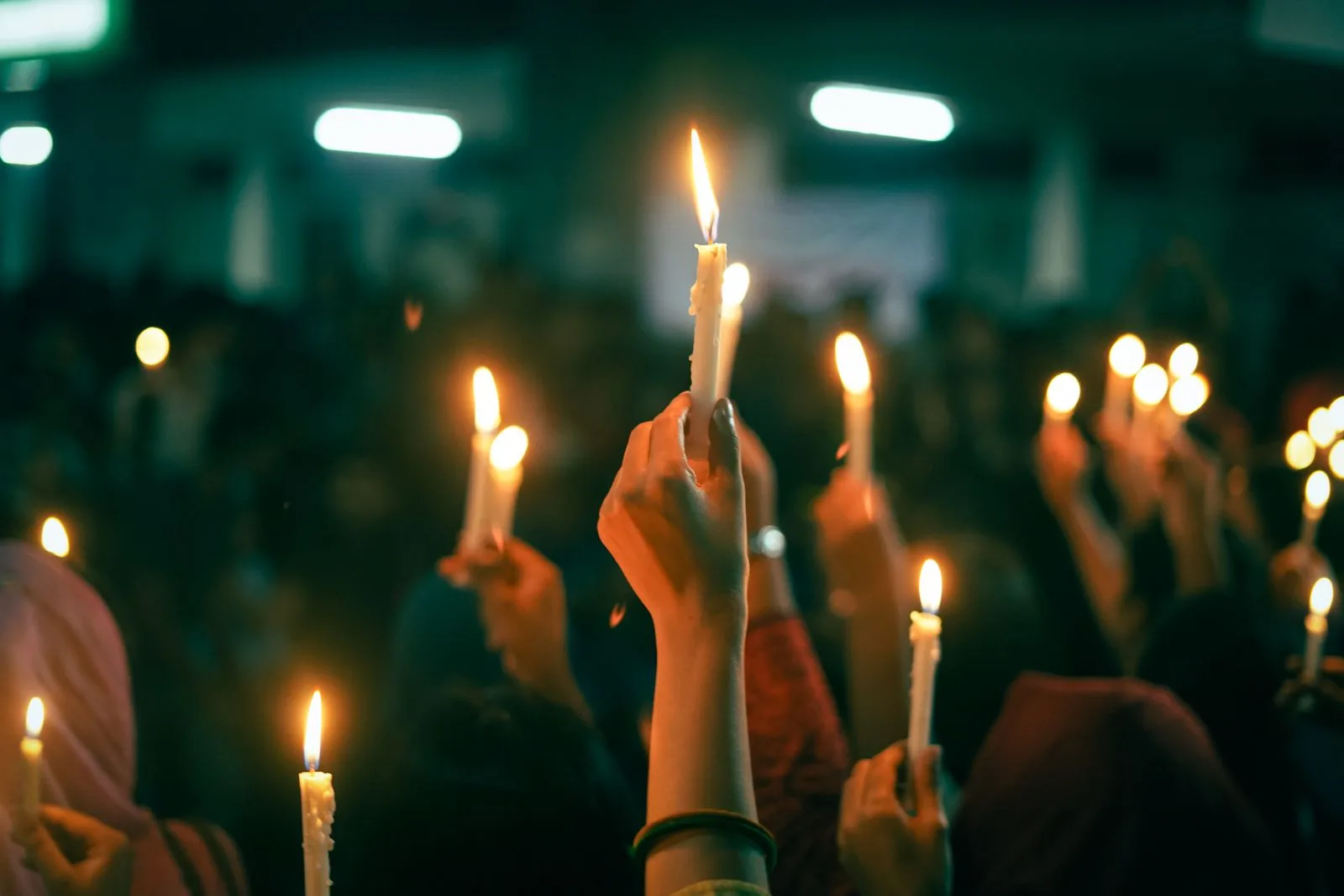

In 2013, the Pennsylvania town of Shamokin organised one of the most quietly-effective community anti-violence campaigns in recent memory. After a young girl was killed in a violent incident, residents launched a wristband drive called CONNect — one band per resident, the same word on every wrist, a community safety bracelet that turned grief into a visible commitment to keep watching out for each other.
The CONNect drive raised funds for the family, named the underlying problem (community violence), and started conversations about prevention — without using the standard fundraiser-poster template that fades in two weeks. This article walks through how anti-violence wristband campaigns work, the design and distribution choices that separate the campaigns that anchor a community from the ones that fade, and the modern playbook for memorial bracelet violence victim drives in 2026.
Why a Cut-Violence Campaign Wristband Works
Anti-violence campaigns face a unique challenge: people get fatigued by violence-prevention messaging that’s too abstract or too political. A wristband cuts through:
- Personal scale. A community safety bracelet honours one specific victim or cause, not a vague slogan.
- Visible solidarity. When 200 people in a small town wear the same band, the visual is the campaign.
- No politics required. A name + a year is harder to argue with than a policy demand.
- Conversation starter. Strangers ask “what does the band mean?” in cafes, at school pickup, at the gym.
The CONNect Format: One Word, One Year, Many Wrists
The Shamokin band was simple: a single word (“CONNect”), a memorial year, the victim’s first name. No URL, no sponsor logo, no slogan. The simplicity is the point — the band carries weight because it doesn’t try to do too much.
The engraving formats that work for community anti-violence campaigns:
- CAUSE WORD · YEAR (e.g., “CONNECT · 2026”)
- NAME · CAUSE (e.g., “FOR JESSICA”)
- CITY · CAUSE (e.g., “SHAMOKIN STRONG”)
Stick to 25 characters max. Read it aloud at full volume before approving the proof; if it sounds like a slogan, it isn’t right.
Recommended for you
Products related to this article
Hand-picked to go with what you just read.
Choosing Colour: Cause Conventions
Anti-violence campaigns don’t have one global colour, but the conventions that have stuck:
- Purple — domestic violence awareness (worldwide)
- Black & white stripes — anti-bullying (Australian National Day of Action conventions)
- Orange — gun-violence awareness (US Wear Orange movement)
- Teal — sexual-violence prevention
- Custom — the affected family’s preference often wins; personal beats protocol
Read our cause-awareness wristband piece for parallel campaigns and the anti-bullying wristband guide for the school-led version.
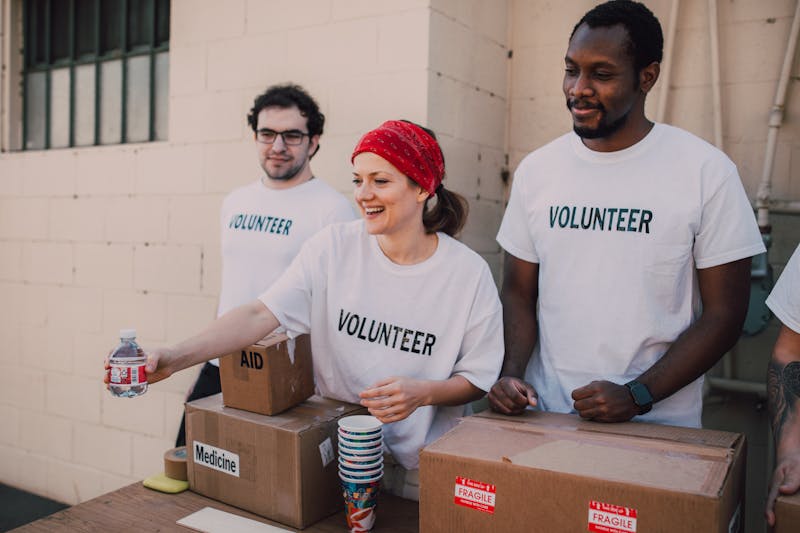
Distribution: Make the Band Visible Across the Whole Community
The CONNect campaign moved 800+ bands in a town of 7,000 people — a 12% wear rate that made the band genuinely visible at every gathering. Replicate that with a 4-channel plan:
- Civic anchor venue — the town hall, library, or community centre as the primary counter.
- Faith communities — churches, mosques, temples handing out at weekend services.
- Schools — high-school SRC and primary-school P&C distribute to families.
- Local businesses — cafes, gyms, hairdressers with a counter jar and laminated story card.
A community of 5,000-15,000 typically moves 500-1,500 bands across these channels in 4-6 weeks. Browse the Fundraising category for product options and bulk pricing.
Where the Money Goes: Three Common Paths
Anti-violence campaigns typically direct proceeds to:
- Direct to the affected family — medical bills, funeral costs, ongoing-support expenses (not tax-deductible).
- Local violence-prevention charity — in Australia: White Ribbon, Our Watch, 1800RESPECT support fund (deductible if DGR-registered).
- Memorial scholarship or community fund — established in the victim’s name; run by the local council or a school.
State the destination clearly on the laminated counter card. Donors of community anti-violence campaigns specifically value transparency on money flow — ambiguity kills late-stage donations.
Press & Public Officials: The Free Amplification Layer
Anti-violence campaigns get press coverage almost universally if you do three things:
- Email a 200-word summary + one photo to the local paper’s community-news desk after week 2.
- Invite the local mayor or council member to wear the band publicly — most agree if asked respectfully.
- Photograph the cheque presentation with the affected family. That photo runs.
See our celebrity-amplification piece for parallel coverage tactics — the same logic applies to local public officials.
Sensitivity: Talk to the Family First
Memorial bracelet violence victim campaigns are emotional terrain. Three guardrails before launch:
- Get explicit family permission for name and photo use. Ask them to choose the engraving format.
- Don’t over-share details of the incident in the campaign messaging. Press will fill in details if they want them.
- Plan an exit ritual — the campaign should have a clear closure date with a public cheque-presentation moment.
Read our memorial wristband ideas piece for the broader sensitivity guidance.
Beyond the Memorial: Ongoing Neighborhood-Watch Wristbands
Some communities turn a one-off violence-prevention campaign into an ongoing neighborhood-watch wristband program. Active members of the watch wear the same coloured band for visible identification at community events. The cost is low (.50- per band at 100+ quantity) and the symbol of community care lasts beyond the original drive.
Closing Thought
The CONNect campaign worked because the community already cared. The wristband didn’t generate the support — it gave already-caring neighbours something tangible to wear and talk about. Anti-violence wristband campaigns succeed or fail on community cohesion, not band design. If your town is still hurting from a tragedy and people want to do something, a silicone band is one of the cheapest and most lasting ways to make their care visible.
Frequently Asked Questions
What's the right colour for an anti-violence wristband?
Purple for domestic violence awareness (global standard). Orange for gun-violence (US Wear Orange convention). Teal for sexual-violence prevention. Black-and-white for anti-bullying. For memorial campaigns honouring a specific victim, the family's preferred colour often wins.
How much can a community anti-violence wristband campaign raise?
A 4-6 week campaign in a community of 5,000-15,000 typically moves 500-1,500 bands. Net raised: ,500-,000 after band cost. Larger multi-region or city-led campaigns can raise 0,000+.
Should we mention the violent incident on the wristband?
Generally no. The wristband typically carries the victim's first name, a year, and a single cause word — not details of the incident. Detail goes on a laminated counter card or press release, only with explicit family permission.
How do we set up a memorial fund for a violence victim?
Three options: direct family bank account, registered local violence-prevention charity (DGR-deductible donations), or an established memorial scholarship/community fund managed by the local council. Be transparent on the counter card about which path the proceeds take.
Can wristbands be used for ongoing neighborhood-watch programs?
Yes — many communities convert a one-off violence-prevention campaign into a permanent neighborhood-watch wristband. Active watch members wear the band at community events for visible identification. Cost: .50- per band at 100+ quantities.

Written by
Founder, Handband
Founder of Handband; specialist in custom wristbands and promotional products for events, schools, charities, and brands.
← Previous
John Brennan's Bowe Bergdahl Bracelet: How POW MIA Awareness Wristbands Work (2026)
Next →
How Do Others Use Handbands? The 6 Most Common Silicone Wristband Uses (2026 Customer Data)
Comment(s)