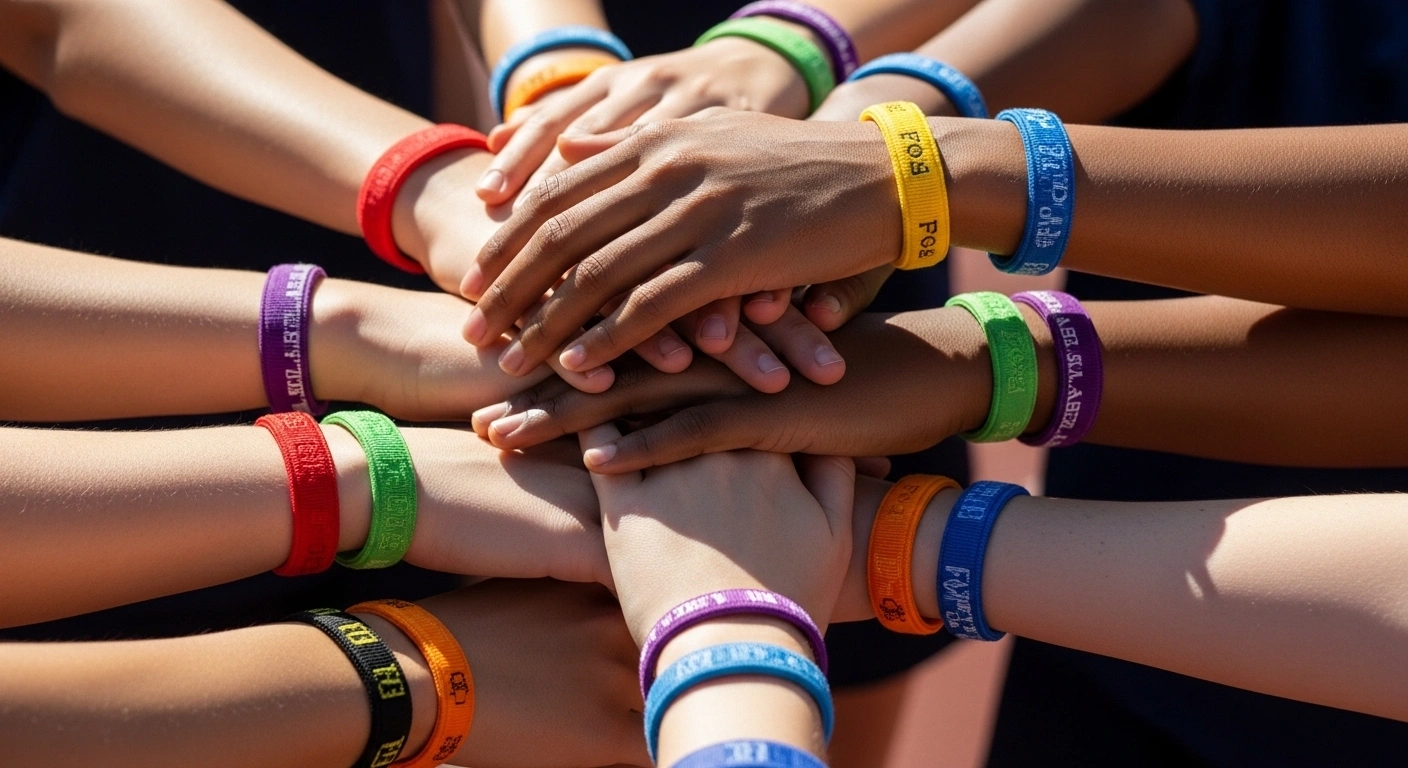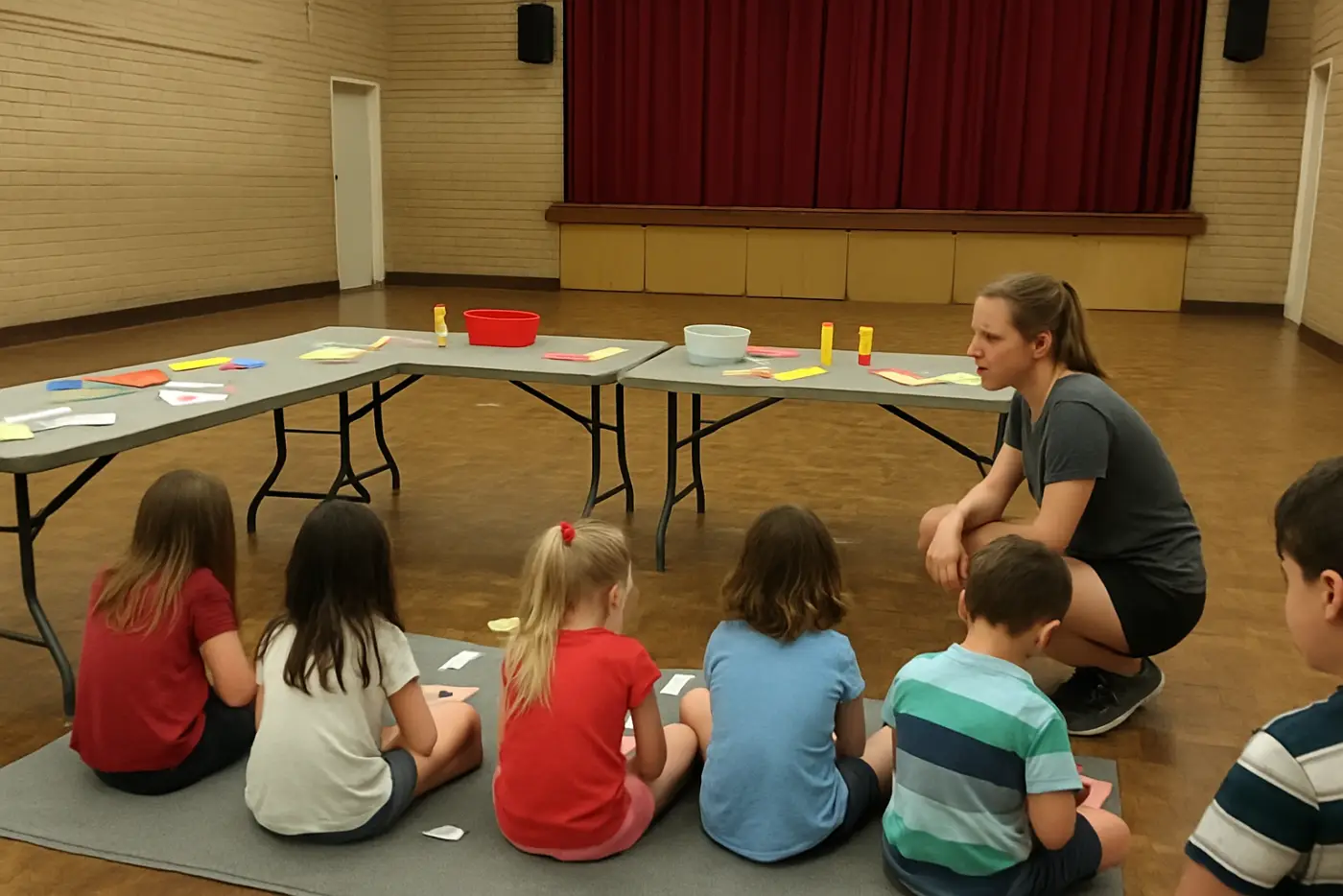
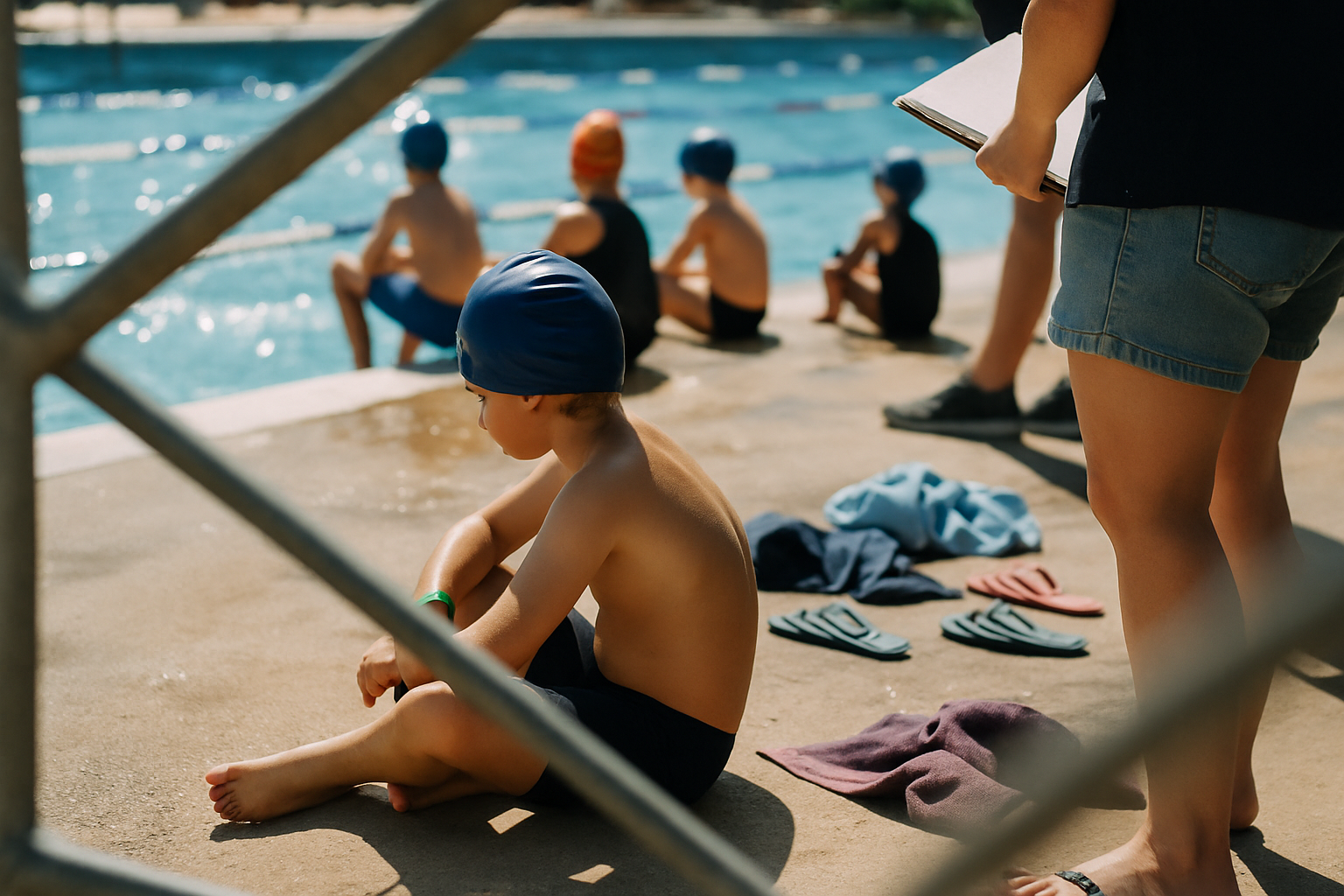
A swimming carnival puts hundreds of students around water with staff who cannot possibly know every child. Coloured wristbands answer the two questions that matter fastest: which house a student is in, and whether they are cleared to swim in deep water. Paper bands fail in a pool, so silicone is the practical choice.
The safety question comes before the sport
The most important information at a carnival is not which house a child is in — it is whether they can swim confidently in deep water. Marking swimming ability by colour lets any teacher or lifeguard make a call in a second, including staff supervising children they do not teach.
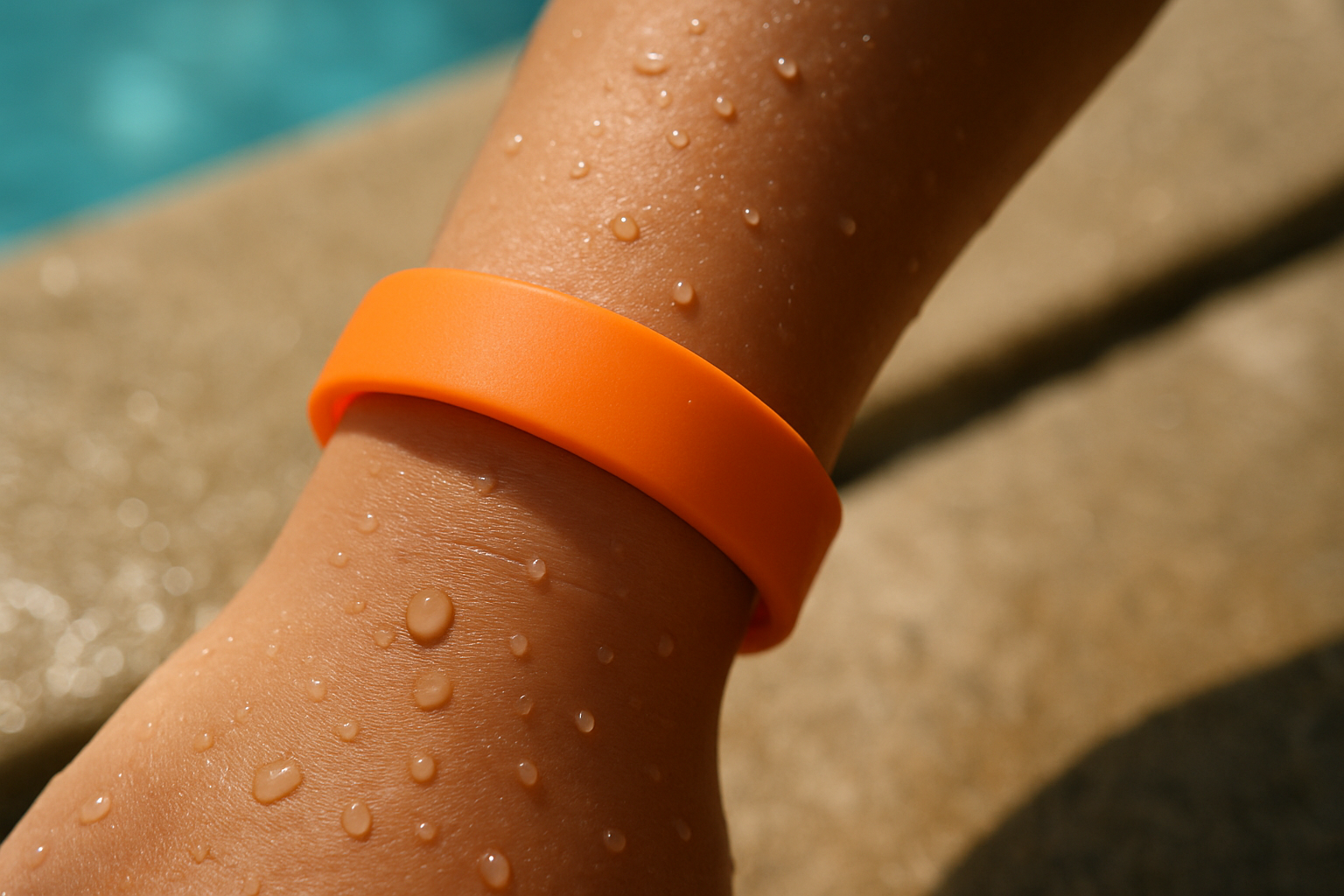
Why paper bands fail at a pool
Adhesive paper bands soften and lift in water, and once wet the printing runs. By the second event you have a pool deck of loose bands and no reliable marking. Silicone is unaffected by water, which is the whole reason it suits this setting.
Recommended for you
Products related to this article
Hand-picked to go with what you just read.
House colours that survive the day
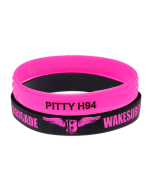
Carnivals run on house teams, and colour is the fastest way to sort students into marshalling areas. A custom band in each house colour holds up for the full day, and being reusable it can come back out for the athletics carnival.
Marking event entries without paper lists
Some schools use a second band or a marker to show which students are entered in which events, so marshals can call heats without checking a clipboard for every child. A plain colour band works as the secondary marker.
Sizing, comfort and swimming
A band worn while swimming has to be comfortable under stroke and not slide off a wet wrist. Size it properly rather than buying one adult size for the whole school, and check it does not catch on lane ropes or starting blocks.
Reuse across the season
Because silicone bands survive the day intact, a school can wash and store them for the next carnival rather than rebuying. Buying in house colours once and keeping a labelled box per house is the cheapest way to run this over several years. Consider a reusable printed band if you want a fixed message on it.
Frequently Asked Questions
Quick answers from the Handband team
What should a swimming carnival wristband show?
Swimming ability first — whether a student is cleared for deep water — and then house team. Ability is the safety-critical one.
Why not use paper wristbands at a pool?
They soften and lift in water and the printing runs. By the second event the marking is unreliable.
How do wristbands help marshalling?
House colours sort students into marshalling areas instantly, and a second marker can show event entries without checking a clipboard per child.
Are silicone bands comfortable for swimming?
Yes if sized properly. Buy child sizes rather than one adult size, and check they do not catch on lane ropes.
Can we reuse them next year?
Yes — wash and store them by house. Reuse across several carnivals is what makes silicone cheaper than paper overall.
Do wristbands replace supervision or roll marking?
No. They speed up decisions for staff supervising children they do not teach; the roll and supervision plan still apply.
What about students who should not swim that day?
Give them a distinct colour so any supervising adult can see it, rather than relying on a note held by one teacher.

Written by
Founder, Handband
Founder of Handband; specialist in custom wristbands and promotional products for events, schools, charities, and brands.
← Previous
North Artists Perform For Adina's Angels
Next →
Custom Wristbands for Parenting Group & Playgroup Meetups
Comment(s)