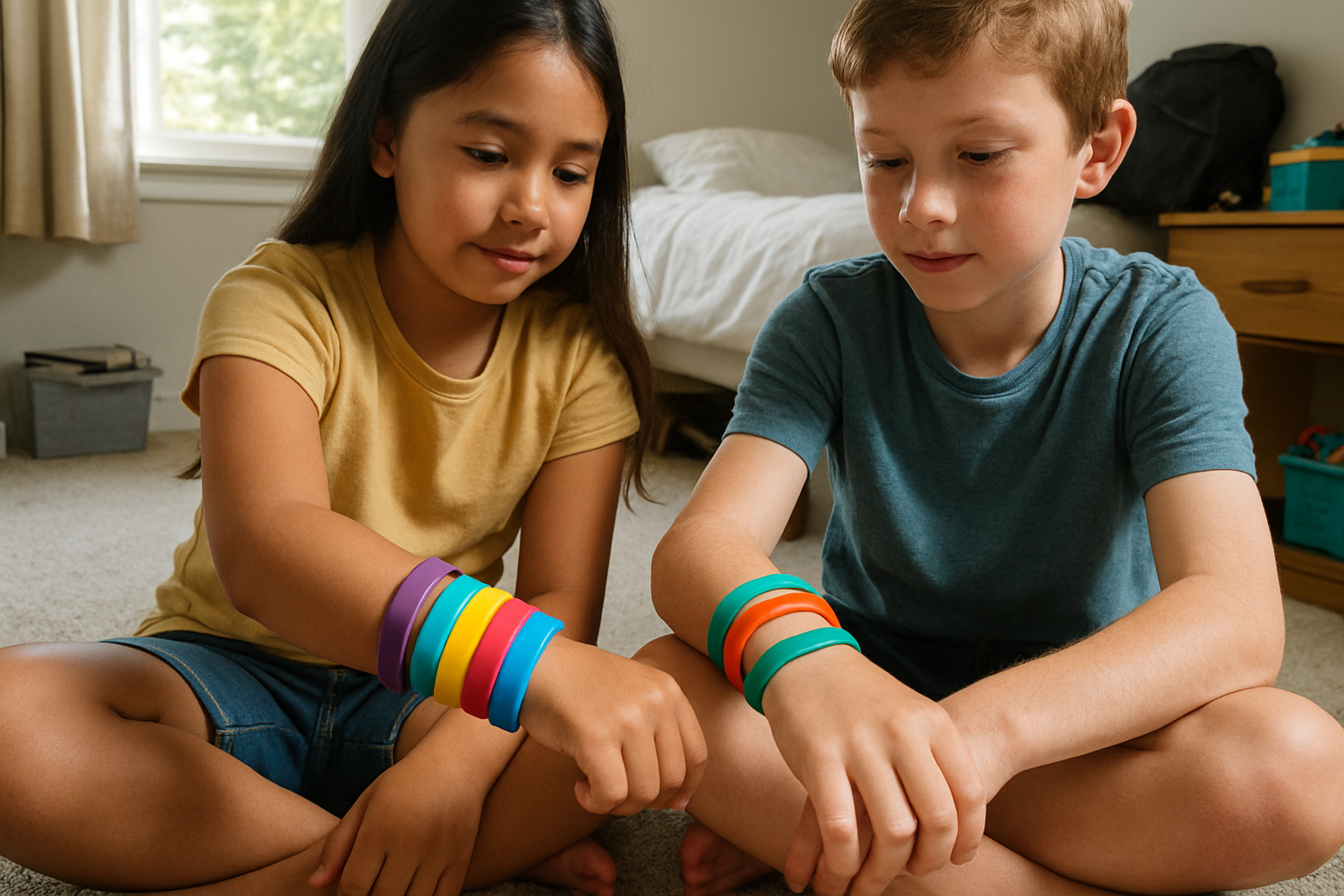
If you’ve tried buying a $50 toy that ends up forgotten in a drawer within a week, you already know: kids don’t need expensive things to be entertained. Custom silicone wristbands cost cents per unit and routinely outlast the most expensive birthday presents kids receive.
Below is why parents, schools and grandparents reach for Handband wristbands again and again — and the styles that suit different ages and use cases.
Why Wristbands Work for Kids
- Bright colours kids love. Multi-colour, neon, slap bands — designed for the eye of a 7-year-old.
- Cheap. Bulk packs cost cents per band — easy to use as small rewards.
- Safe. Hypoallergenic silicone, latex-free, food-safe.
- Versatile. Reward, identification, novelty, party favour — one product, many uses.
Five Ways Parents Use Them
- Holiday boredom-busters — reward chart with 5 tasks, band per completion.
- Theme-park safety — child’s name + parent phone engraved on the band.
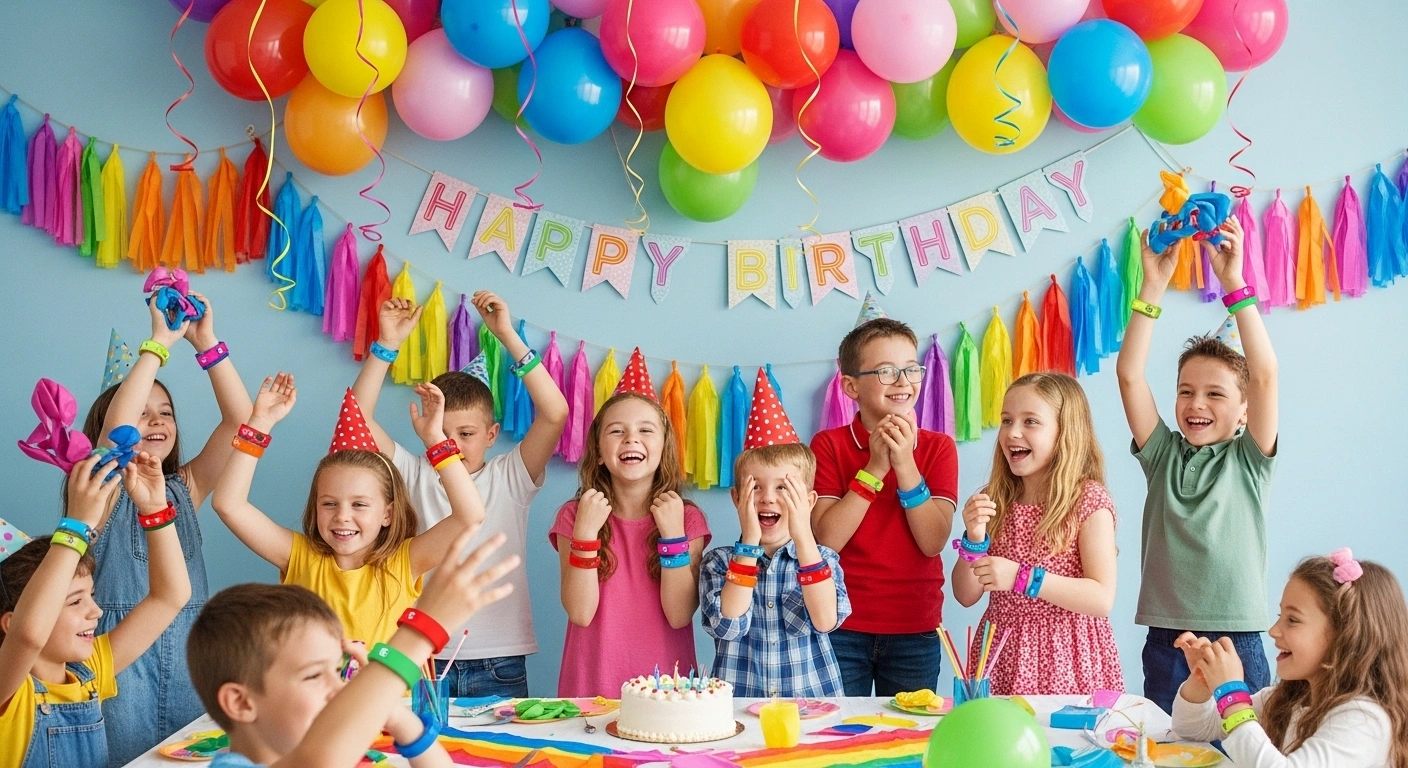
- Birthday party favours — bulk pack for everyone leaving the party.
- School identification — class colour or year-group ID for excursions.
- Treasure hunts — hidden bands as the prize for finding items.
Recommended for you
Products related to this article
Hand-picked to go with what you just read.
Choosing the Right Style for the Age
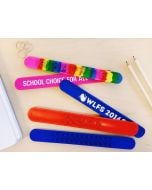
- Toddlers (2–4): soft skinny silicone bands or kid-sized debossed safety bands. Avoid loose-fit slap bands that could snag.
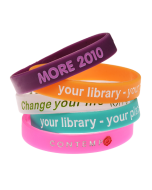
- Primary school (5–10): slap bands, multi-colour bands, novelty designs. Reward systems work especially well.
- Tweens (10–12): skinny styles, single bold colours, fashion-conscious designs.
- Teens (13+): engraved cause bands, custom designs, more “adult-looking” styles.
Personalised Lunch Boxes — A Hidden Win
Once school is back, custom-printed lunch boxes reduce the daily mix-up. Kids care about something with their name on it — and so do teachers, who can match found items to owners in seconds.
Holiday Boredom-Buster Kit
A typical kit:
- 20 mixed wristbands (slap, multi-colour, skinny): around $25
- 1 personalised lunch box: around $15
- 1 holiday workbook from your local library: free
- Total: under $50, lasts the whole holidays plus the term that follows.
A Tool That Just Works
Most kid-focused products try to be expensive or trendy. Wristbands are neither — and that’s exactly why they keep working. Order a starter pack, build a small reward system, and watch the boredom — and the tantrum cycle — ease up.
Frequently Asked Questions
Why are wristbands such a good fit for kids?
Three reasons: (1) bright colours kids love, (2) low cost so parents don’t mind replacements, (3) safety value — an engraved name and parent phone number means a lost child can be reunited with their family in minutes.
Are silicone wristbands safe for young children?
Yes — quality silicone is hypoallergenic, latex-free, food-safe and designed for daily wear. Bands stretch over the hand, survive swimming, sweat, sand and bath time. Kid-sized options are available for under-10s with smaller wrists.
What information should be on a kids’ safety wristband?
Three things: child’s first name (not surname), parent’s mobile phone number, and any critical medical info (allergies, EpiPen). Keep it short enough to read in 2 seconds. Engrave (deboss) the message so it doesn’t fade.
How can wristbands be used as a kids’ reward system?
Award a band per task completed (chores, reading, learning a skill). Kids respond strongly to visible, wearable progress. Many parents use 5-task systems where collecting all five unlocks a bigger reward like a movie or pizza night.
What ages are different wristband styles best for?
Slap bands and bright multi-colour bands suit ages 3–10. Skinny styles work for older kids (8+) who want something less “kid-like”. Custom debossed safety bands work for any age. Lunch boxes work from kindergarten through primary.

Written by
Founder, Handband
Founder of Handband; specialist in custom wristbands and promotional products for events, schools, charities, and brands.
← Previous
De Niro’s Restaurant Fundraising: How Hospitality Drives Charity Wristband Campaigns (2026)
Next →
Bracelet Sale Helps Leyden Township Boy Commemorate Sept. 11: A Memorial Fundraiser Template
Comment(s)