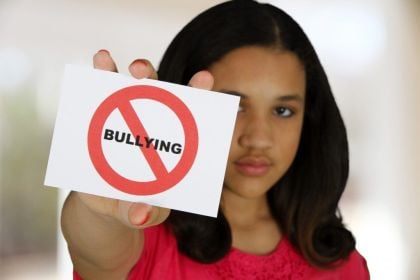
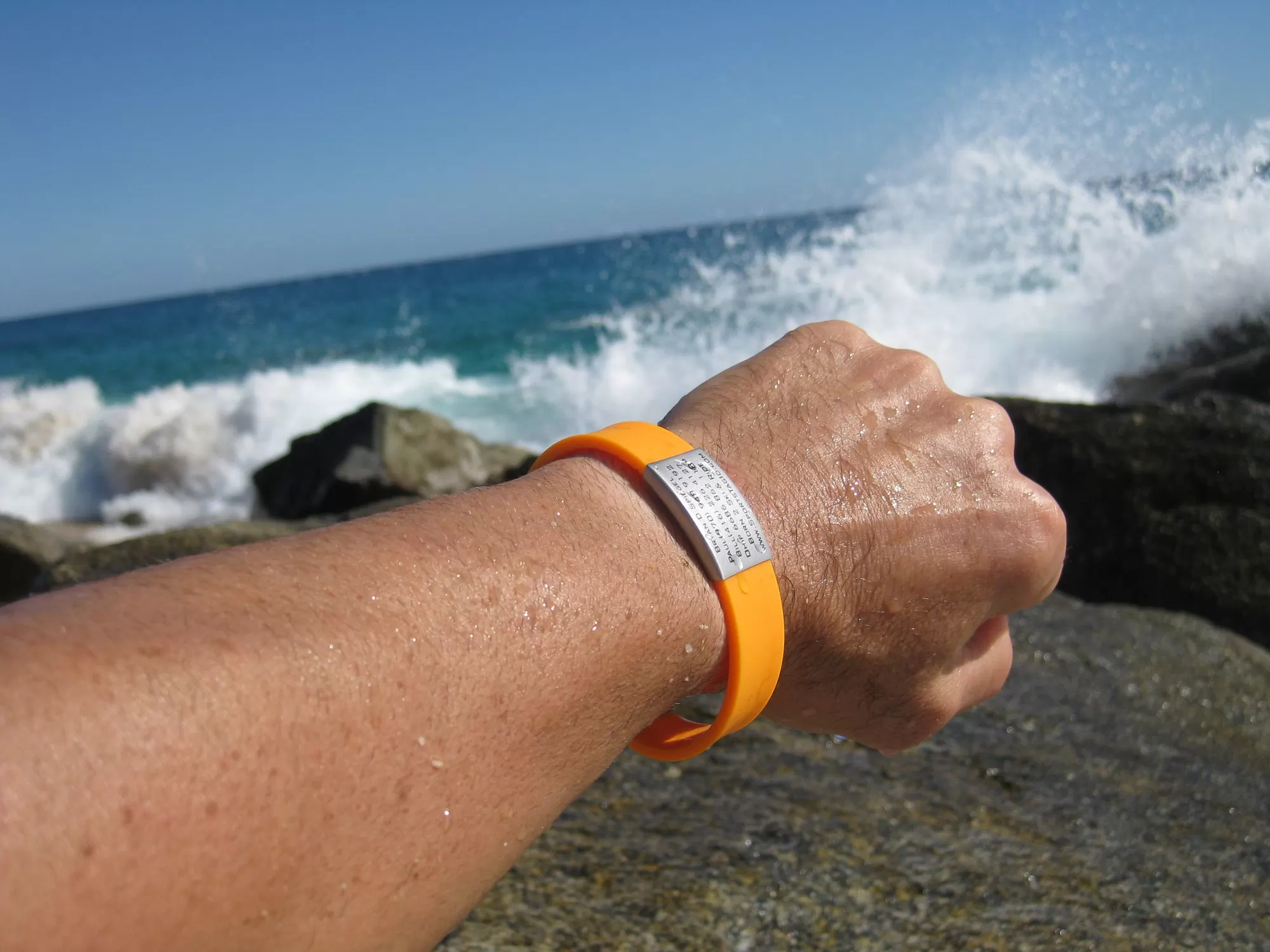
UK schools in Surrey have run some of the most successful student-led wristband campaigns in recent years — raising thousands for anti-bullying, mental-health awareness and tribute causes. The success comes from a consistent pattern: students lead, teachers support, the school endorses, and the charity gets the money.
Below is how Surrey-style student campaigns work, what schools can learn, and how to run a similar program at your school.
Why Student-Led Campaigns Outperform Adult-Led Ones
- Authenticity. Genuine student commitment moves donors more than corporate or staff messaging.
- Peer engagement. Classmates buy bands and wear them visibly — far higher than adult-led drives.
- Local press attention. Community newspapers love a student-led initiative.
- Sustained involvement. Students who lead a campaign typically come back next year for another.
The Six-Week Surrey Model
- Week 6: Student leaders meet with deputy head. Cause and charity confirmed. Order placed.
- Week 5: Parent newsletter goes out. Posters drafted. Campaign hashtag chosen.
- Week 4: Year-level lessons on the cause. Students brief their classmates.
- Week 3: Bands arrive. Volunteer briefing held. Sales kit prepared.
- Week 2–1: Daily lunch sales. Weekly progress assemblies.
- Week 0: Campaign close. Public total announced. Charity cheque presented.
Recommended for you
Products related to this article
Hand-picked to go with what you just read.
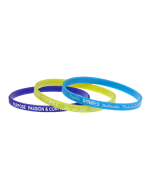
Designing a School Cause Band
- Match colour to cause. Pink for breast cancer, orange for anti-bullying, yellow for survivorship, purple for memorial, green for mental health.
- Short slogan. 1–3 words plus a hashtag the students chose.
- Charity name on inside. Donors want to know where the money goes.
- Debossed engraving. Engraved text never fades.
- Year stamp. Adds a collectible element — students collect each year’s band.
Common Causes That Work Well in Schools
- Anti-bullying (March National Day of Action, October).
- Mental-health awareness (May, October World Mental Health Day).
- Breast cancer awareness (October).
- Suicide prevention (September).
- Peer-support and inclusion (school-specific).
- Tribute campaigns for ill or deceased classmates.
Multi-Year Wins
Schools that run the same cause campaign annually with refreshed designs build cumulative culture. Year 1 raises $1,000. Year 3 raises $5,000. Year 5 raises $10,000. The students who led Year 1 come back as parents for Year 5.
Brief our team with your school’s cause and timeline. We’ll come back with the right product, design proof and delivery date.
Frequently Asked Questions
How can students run a successful wristband campaign at school?
Engage school leadership early. Co-design the campaign with student leaders so the school is the supporter, not the censor. Pair the band launch with classroom lessons, an assembly, and a clear charity partner. Order bands 4–6 weeks ahead of launch.
What kinds of causes do school wristband campaigns typically support?
Most common: anti-bullying, mental health, breast cancer awareness, suicide prevention, peer-to-peer support, refugee/asylum support, environmental causes, and tribute campaigns for ill or deceased classmates.
How much can a typical school wristband campaign raise?
200 bands at $5 each nets around $700–$1,000 for the cause. Whole-school drives (1,000+ bands) can raise $5,000–$10,000+. Town-wide multi-school campaigns regularly raise tens of thousands.
How do schools handle wristbands that conflict with uniform policy?
Most successful schools incorporate the cause band into the uniform rules during the campaign period. A 6-week structured program with leadership endorsement avoids the dress-code disputes that have hit ad-hoc student campaigns.
How quickly can student-led campaigns get bands ready?
Stock blank coloured bands ship within days. Custom-printed cause bands take 2–3 weeks plus shipping. Plan 4–6 weeks ahead for fully custom artwork — this also gives time for student leaders to brief teachers and parents.

Written by
Founder, Handband
Founder of Handband; specialist in custom wristbands and promotional products for events, schools, charities, and brands.
← Previous
Prince William Proudly Displays His Help For Heroes Wristband: The Royal-Endorsement Lesson (2026)
Next →
“Free Kate” Bracelets: How Cause Wristbands Support Civil-Rights Cases (2026)
Comment(s)