How to Start Planning Your Next Event: A Step-by-Step Guide to Wristbands, Supplies, and Logistics

Why Early Planning Is the Single Biggest Predictor of Event Success
Every seasoned event organiser will tell you the same thing: the events that go wrong almost always went wrong before the day even began. Venue double-bookings, wristband orders that arrived too late, volunteer rosters that were never confirmed, catering quantities that were pure guesswork — these are the symptoms of planning that started too late or moved too slowly.
This guide is for anyone who wants to run a smooth, well-supplied event — whether it’s a community fair, a corporate conference, a school fundraiser, or a multi-day festival. We cover every stage of the process, including the wristband decisions that are often left to the last minute and end up causing the most stress.
Step 1: Define Your Event Concept and Goals
Before you book a venue or print a poster, get absolute clarity on what you are trying to achieve. Is the event for fundraising, community engagement, entertainment, brand awareness, or celebration? Who is your audience? What does success look like?
Write a one-page event brief that covers: the purpose, the audience, the target attendance, the budget range, the key dates, and the core experience you want attendees to have. Everything that follows flows from this brief — and anyone who joins the organising team can be onboarded quickly when a clear brief exists.
Step 2: Secure Your Venue and Date
Popular venues book out 6-12 months in advance for weekend dates. Even for smaller events, confirm your venue as early as possible. Check venue capacity, available facilities, parking, accessibility, and whether exclusivity applies (i.e. can you use your own caterers and suppliers).
Date Conflicts to Avoid
Check for competing events in your area on the same date. A community fair scheduled on the same day as a major local sporting final will always lose attendance. Use community event calendars, school term planners, and public holiday lists to identify clear dates.
Step 3: Budget and Supplier Planning
Build your budget in categories: venue, equipment, staffing, catering, entertainment, marketing, printing, and event supplies. For each category, get at least two quotes from different suppliers. This not only protects your budget but often uncovers options you hadn’t considered.
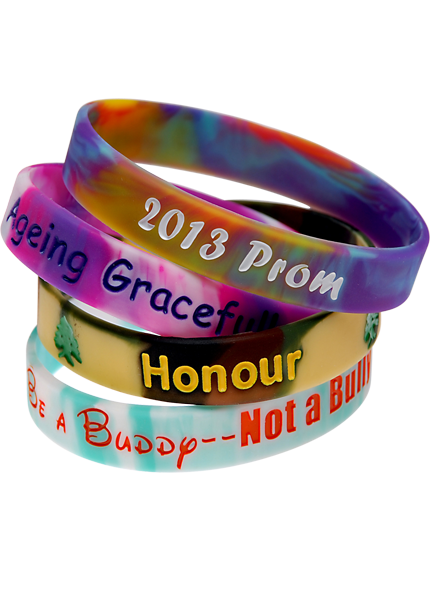
Event wristbands are frequently under-budgeted. Consider how many tiers of access you need (general, VIP, staff, vendor), whether you need printed bands or blank stock, and whether your event spans multiple days (requiring more durable bands). Browse our events wristband range to plan early.

Step 4: Build Your Team and Volunteer Roster
No matter how good your plan is, it only succeeds if the right people are in the right roles on the day. Map out every function your event requires — registration, ticketing, venue setup, catering, entertainment coordination, first aid, and pack-down — then assign a responsible person to each.
Briefing Your Team
Hold at least one full team briefing 1-2 weeks before the event. Provide a written run sheet with timing, responsibilities, and emergency contacts. Each team member should know exactly what they are doing, where they will be stationed, and who to call if something goes wrong.
Identifying Volunteers With Wristbands
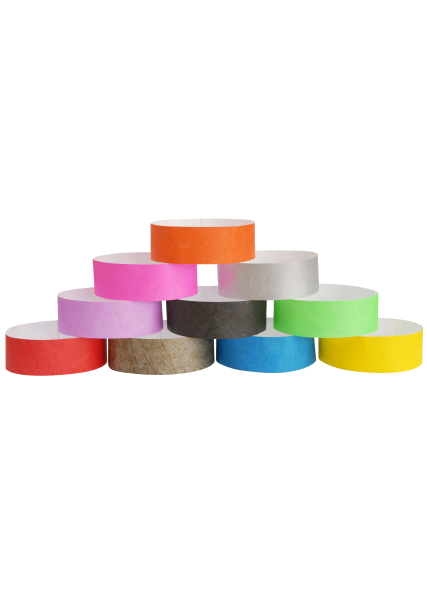
Colour-coded wristbands for staff and volunteers allow attendees and fellow team members to identify the right person quickly. Use a different colour per role: blue for general staff, red for first aid, yellow for information points, green for vendor coordinators. This removes ambiguity during busy periods and speeds up response times during incidents.
Step 5: Wristband Strategy — Access, Identity, and Experience
Your wristband strategy should be decided 4-6 weeks before your event — earlier if you need custom printing. Consider these variables.
Single-Day vs Multi-Day Events
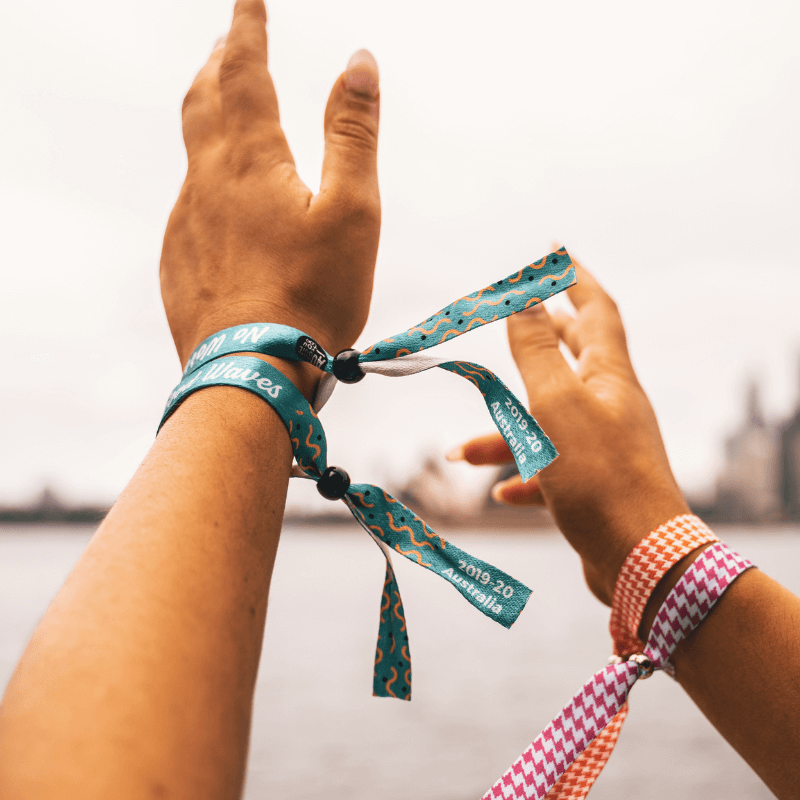
Tyvek wristbands are ideal for single-day events: affordable, tamper-evident, and available in many colours. For multi-day events, fabric wristbands with a barrel lock closure stay secure overnight and are comfortable for extended wear without causing skin irritation.
VIP and Tiered Access
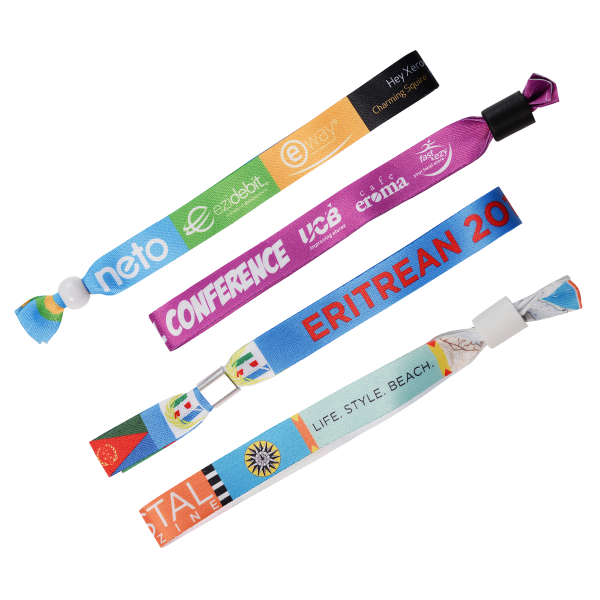
Printed wristbands for VIP tiers — with custom text, logos, or holographic security features — add a premium feel and reduce the risk of fraud. General admission can use blank Tyvek while VIPs receive custom fabric bands: this immediately signals status and manages queue expectations at access points.
Step 6: Marketing, Ticketing, and Pre-Event Communication
Build a marketing timeline that works backwards from your event date. For most community and mid-scale events, six weeks of promotion is sufficient. Use social media, email lists, community noticeboards, and local media to reach your target audience.
Send a pre-event information pack to all registered attendees 3-5 days before the event. Include parking directions, schedule, what to bring, and access instructions. Clear communication before the event reduces the volume of questions on the day and improves the overall attendee experience.
See our full branded event wristbands range to make your event look as professional as it runs.
Frequently Asked Questions
How early should I order wristbands for my event?
Order at least 3-4 weeks before your event for custom printed wristbands, or 1-2 weeks for blank stock. Add extra lead time during busy event seasons (summer and December). Always confirm your order quantity before placing — it is much cheaper to slightly over-order than to rush-order additional bands at the last minute.
How do I calculate how many wristbands I need for an event?
Calculate your expected total attendance and add 15-20% buffer for miscounts, staff, volunteers, VIPs, and replacements for damaged or lost bands. For multi-access-tier events, calculate each tier separately. A simple formula: (expected attendance x tier split %) x 1.15 = your order quantity per tier.
What is the difference between Tyvek and fabric wristbands for events?
Tyvek wristbands are single-use, water-resistant, and affordable — ideal for single-day events with high volume. Fabric wristbands are durable, comfortable for extended wear, and can be printed with custom designs — ideal for multi-day events, VIP tiers, and events where the wristband doubles as a souvenir. Fabric bands cost more per unit but provide a premium experience.
Can I get wristbands printed with my event logo?
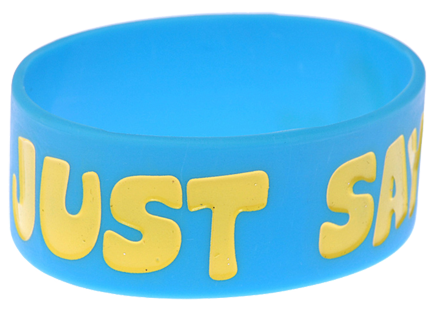
Yes. Custom printed wristbands can include your event logo, name, date, and any other design elements. Minimum order quantities apply for custom printing — check your chosen band type for specific minimums. For small events, a debossed or printed text band (without full-colour logo printing) is often the most cost-effective option.
April 12, 2026

Share on Facebook

Share on X

Share on Pinterest
Comment(s)
Recent Posts