Why Are Food Allergies Increasing in Children — and What Parents Can Do About It

When Melbourne GP Mukesh Haikerwal first noticed the signs of anaphylaxis in his one-year-old son, he knew immediately what he was seeing. "As a father it was horrendous," he recalled. "You have this child that won't settle and then you take off his top and he was beetroot red. I knew straight away it was an anaphylactic reaction." What he didn't anticipate was how hard it would be to get the rest of the world to take his son's nut allergy seriously — at kindergarten, at school, with other parents.
That experience reflects the reality millions of families around the world now face. Food allergies in children have become one of the most significant public health challenges of the modern era — and the question everyone is asking is: why are food allergies increasing in children, and why now?
How Common Are Food Allergies in Children Today?
The numbers are striking. Food allergy now affects approximately 1 in 10 children globally, according to a 2024 review published in Frontiers in Nutrition. In some countries, rates are even higher — and Australia sits at the very top of that list.
Research from the Murdoch Children's Research Institute's landmark HealthNuts Study found that 1 in 10 Australian infants at 12 months old has a clinically confirmed food allergy — the highest prevalence recorded anywhere in the world. By primary school age, 1 in 20 children still has an active food allergy, and 40% of primary school-age children are affected by some form of allergic disease.
Hospital admissions for food-induced anaphylaxis in Australia increased nine-fold between 1998 and 2019. In just the five years to 2019-20, emergency department presentations for anaphylaxis rose 51%. These aren't just statistics — they represent real families managing real medical emergencies.
Why Are Food Allergies Increasing in Children?
Scientists have been investigating this question for decades. There's no single answer — instead, a converging set of environmental, lifestyle, and biological factors appear to be driving the trend. As Professor Katie Allen, a leading paediatric allergy researcher at Melbourne's Royal Children's Hospital, has put it: "Allergy rates have risen faster than our genes can change" — pointing firmly to environmental causes rather than genetics.
The Hygiene Hypothesis
First proposed in the 1980s and extensively developed since, the hygiene hypothesis suggests that as modern environments became cleaner and children had less exposure to diverse microbes, bacteria, and parasites early in life, their immune systems were left without enough practice distinguishing between genuine threats and harmless proteins — like food. Studies show that growing up on a farm, being exposed to animals, and attending childcare early (by 6 months) all significantly reduce the risk of developing food allergies. Conversely, overly sanitised environments correlate with higher allergy rates.
Vitamin D Deficiency
Research out of Australia has consistently linked vitamin D insufficiency with dramatically elevated food allergy risk. One study found children with vitamin D deficiency at 12 months were 11 times more likely to have a peanut allergy. Fascinatingly, peanut allergy rates increase the further south you go in Australia — where UV exposure is lower during winter months — supporting a direct connection to vitamin D levels. Unlike many other countries, Australia has no mandatory vitamin D fortification in dairy products, which may contribute to its world-leading allergy rates.
The Role of Eczema and Skin Sensitisation
The Dual Allergen Exposure Hypothesis has emerged as one of the most compelling explanations for food allergy development. It proposes that when infants are first exposed to food proteins through inflamed or broken skin (as is common in babies with eczema), their immune systems learn to treat that protein as a threat. When they later eat the food, a full allergic reaction can follow. Eczema is now identified as the leading risk factor for food allergy — infants with eczema are 6 times more likely to develop egg allergy and 11 times more likely to develop peanut allergy.
Gut Microbiome Disruption
"Having lots of different diverse bugs in the intestine helps the system decide what we are eating is safe and what is dangerous," as Professor Allen explained in early research. Modern science has confirmed this in detail. A 2023 study published in Nature Communications found that delayed gut microbiota maturation in the first year of life is a hallmark of allergic disease in children. Children who developed food allergies had lower levels of protective bacteria such as Bifidobacterium and higher levels of harmful microorganisms. Early antibiotic use — which disrupts the microbiome — is a recognised contributing risk factor.
When Allergens Are First Introduced
For much of the 2000s, parents were advised to delay introducing potentially allergenic foods until after their child's first or even second birthday. It turns out this advice was counterproductive. The landmark LEAP Trial showed that early peanut introduction reduced peanut allergy development from 13.7% to just 1.9%. Research by Professor Allen's team found that children not introduced to eggs until after their first birthday were up to five times more likely to develop egg allergy. Current guidance now recommends introducing peanuts, egg, and other allergens between 4–6 months of age, under appropriate medical guidance.
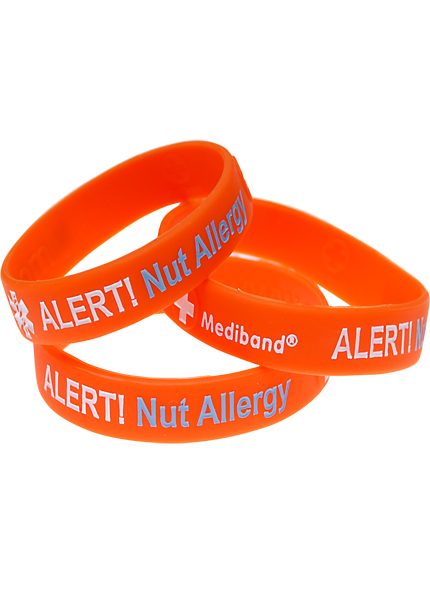
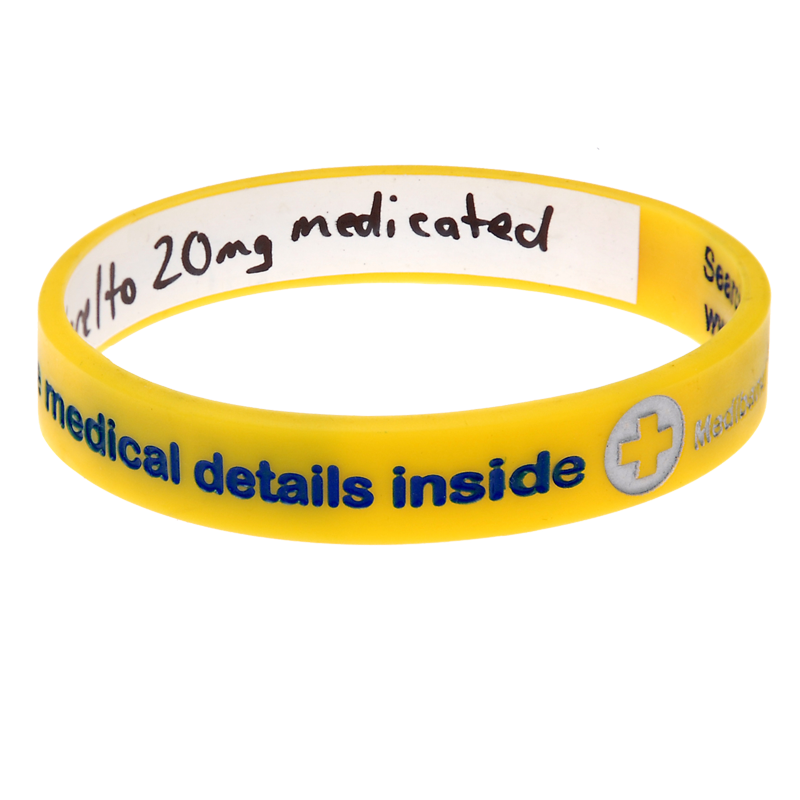
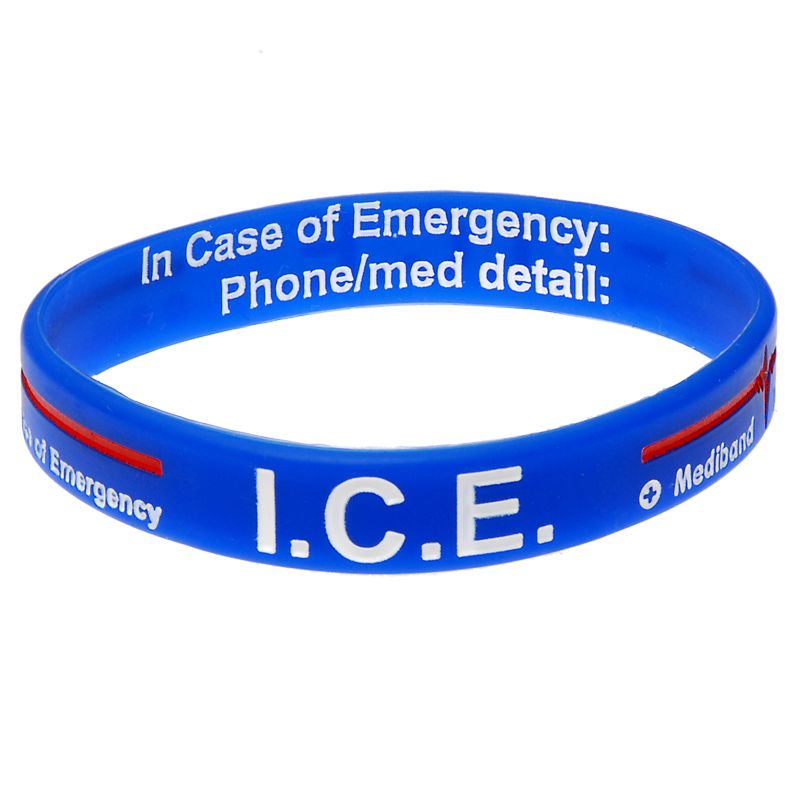
Shop Allergy Medical Alert Bracelets
Help first responders, teachers, and carers act fast — keep your child's allergy visible with a Mediband bracelet.



The Most Common Food Allergens in Children
Over 90% of childhood food allergy reactions are caused by just eight foods. Understanding which allergens carry the highest risk — and which children are most likely to outgrow — helps families plan and prioritise.
The Top Eight Food Allergens
The major food allergens in children are peanuts, tree nuts (including hazelnuts, cashews, almonds, pine nuts, and macadamias), egg, cow's milk, wheat, soy, fish, and shellfish. Sesame is increasingly recognised as a ninth major allergen in many countries. Peanut allergy is the most common cause of fatal anaphylaxis; shellfish and tree nut allergies are the most persistent into adulthood.
Which Allergies Are Most Likely to Persist
Approximately 80% of children eventually outgrow egg, wheat, and dairy allergies — though this can take years, and some children never do. Peanut, tree nut, sesame, fish, and shellfish allergies are far more likely to be lifelong. Research from the HealthNuts Study found that 45% of infants with food allergy still had persistent disease at age 10. Children with nut and seafood allergies should be considered to have permanent conditions unless confirmed otherwise by an allergist.
Food Allergy vs Food Intolerance — Understanding the Difference
These two terms are often used interchangeably but they describe very different conditions. Understanding the distinction matters — not just medically, but practically — for how you manage your child's diet and safety.
A food allergy is an immune system reaction to a specific food protein. Even a tiny trace can trigger a response. Symptoms can be immediate (within minutes) and range from hives and vomiting to anaphylaxis — a life-threatening emergency requiring epinephrine. A child with a confirmed food allergy generally cannot safely eat that food at all.
A food intolerance does not involve the immune system. Symptoms are typically digestive — bloating, headaches, stomach pain, fatigue — and tend to be dose-dependent: a small amount may be tolerated while a large amount causes problems. Intolerances are unpleasant but are not life-threatening.
If you're unsure which category applies to your child, don't guess. A skin-prick test from an immunologist confirms or rules out a true IgE-mediated food allergy. Blood tests can help identify intolerances. As nutritionist Emma Sutherland cautions: "If you only work on assumptions then you could be avoiding some foods that you think are causing the problem and still eating the ones that actually are."
How to Protect Your Child with a Food Allergy
A diagnosis is the start, not the finish. Protecting a child with a food allergy requires a multi-layered approach: formal medical management, clear communication with everyone involved in their care, and everyday safety equipment.
Get a Formal Diagnosis and Specialist Review
If you suspect your child has a food allergy, ask your GP for a referral to an allergy specialist (immunologist or allergist). A skin-prick test or specific IgE blood test will confirm the allergy and its severity. Do not manage a potential serious food allergy based on observation alone — knowing exactly what your child is and isn't allergic to is critical for both safety and quality of life.
Create a Written Allergy Action Plan
Work with your child's doctor to create a formal allergy action plan. This document should specify the allergen, describe the symptoms of both mild and severe reactions, and outline step-by-step instructions for each scenario — including when and how to administer an epinephrine auto-injector (EpiPen). Provide copies to your child's school, teacher, sports coach, and any regular carers.
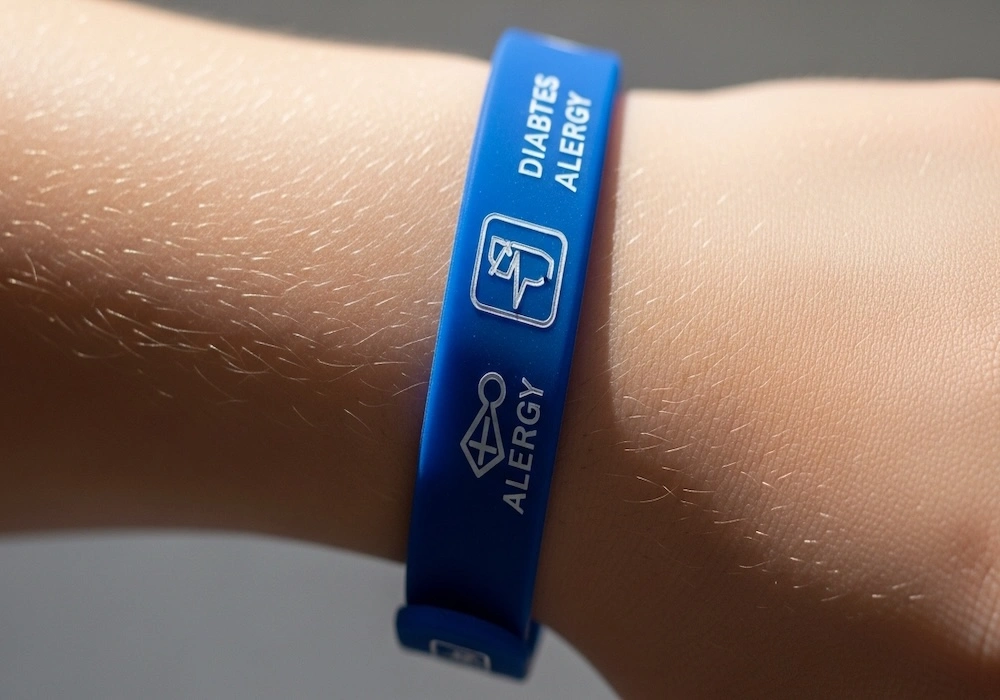
Ensure Your Child Wears a Medical Alert Bracelet
A medical alert bracelet is one of the simplest and most effective safety measures available for a child with a food allergy. When a child has a reaction at school, on a sports field, or anywhere away from home, a bracelet tells every adult — and every first responder — exactly what's happening and what to do. Mediband's allergy bracelets are designed for children: soft, waterproof silicone that can be worn all day, every day, in bright colours that children actually want to wear.
Allergy Symptoms to Watch For
Symptoms of an allergic reaction typically develop within minutes to an hour of exposure and may include:
- Swelling of the face, lips, or tongue
- Hives or skin redness
- Vomiting or stomach cramping
- Coughing, wheezing, or difficulty breathing
- Runny nose or watery eyes
- Dizziness or collapse (signs of anaphylaxis)
Anaphylaxis requires immediate emergency treatment — call emergency services and administer epinephrine without delay. Do not wait for symptoms to improve on their own.
Frequently Asked Questions
Why are food allergies increasing in children?
Research points to several converging factors: reduced microbial exposure in early childhood (hygiene hypothesis), vitamin D deficiency, skin sensitisation via eczema before oral introduction, disrupted gut microbiome from antibiotics and modern diet, and delayed allergen introduction during infancy. No single cause explains the rise — it appears to be a combination of environmental and lifestyle changes occurring over the past 30–40 years.
Can children outgrow food allergies?
It depends on the allergen. Around 80% of children outgrow egg, wheat, and dairy allergies over time. Peanut, tree nut, sesame, shellfish, and fish allergies are much more likely to be lifelong. An allergist can retest periodically to monitor whether tolerance has developed — never assume an allergy has been outgrown without specialist confirmation.
What is the difference between a food allergy and a food intolerance?
A food allergy involves the immune system and can cause life-threatening anaphylaxis — even trace amounts can trigger a severe reaction. A food intolerance does not involve the immune system and is not life-threatening; symptoms are typically digestive and dose-dependent. A skin-prick test from an immunologist is the most reliable way to confirm a true food allergy.
What should I do if my child has a severe allergic reaction?
If your child shows signs of anaphylaxis — throat tightening, difficulty breathing, sudden drop in blood pressure, or loss of consciousness — administer their epinephrine auto-injector (EpiPen) immediately and call emergency services. Lay them flat with legs raised (unless breathing is difficult). A second dose may be given after 5 minutes if symptoms do not improve. All anaphylaxis cases require hospital observation even if the child appears to recover.
Why does my child need a medical alert bracelet for a food allergy?
If your child has a reaction away from home — at school, sport, or a friend's house — a medical alert bracelet tells every adult and first responder exactly what the allergy is and what to do. Research shows 95% of emergency medical professionals check for medical alert jewellery during emergencies. A bracelet is often the only source of medical history available when a child cannot speak for themselves.
April 12, 2026

Share on Facebook

Share on X

Share on Pinterest
Comment(s)
Recent Posts