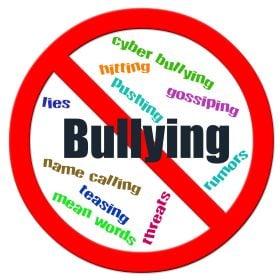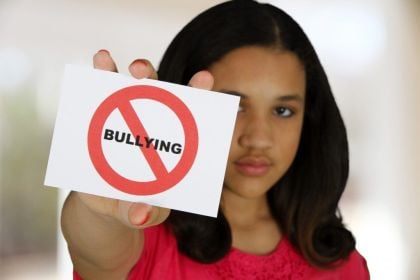

Understanding Bullying and Why It Happens
Bullying is a serious issue that affects children and adults alike — in schools, workplaces, and online environments. Understanding why bullying happens is the first step toward effective prevention. Bullies often act out of insecurity, a need for control, or a lack of empathy skills. Recognising these patterns helps bystanders, educators, and parents respond constructively.
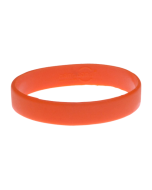
Awareness campaigns — including wearing anti-bullying wristbands — create visible solidarity with those who are targeted. They signal to every student or employee that bullying is not tolerated in your community.
Tip 1: Build Confidence Through Peer Support
Bullying thrives in isolation. When schools and organisations create strong peer support networks — mentoring programs, buddy systems, or class-wide awareness initiatives — potential targets have allies and bullies lose their primary power source. Wristbands worn by the whole class or team signal unity and belonging.
Recommended for you
Products related to this article
Hand-picked to go with what you just read.
Tip 2: Speak Up and Report Immediately
One of the most common barriers to stopping bullying is fear of retaliation or being seen as a "dobber." Encourage young people to report bullying immediately to a trusted adult, teacher, or counsellor. Schools with clear, anonymous reporting channels see faster resolution and fewer repeat incidents.
Tip 3: Use Awareness Activities to Build Empathy
Programs like anti-bullying days, orange ribbon campaigns, and class discussions on emotions build empathy systematically. Emotional literacy — understanding and naming one's own emotions — is one of the strongest predictors of prosocial behaviour. The emotion bracelet is a classroom tool specifically designed to help children connect language to feelings.

Tip 4: Involve the Whole School Community
Effective anti-bullying programs don't stop at the classroom door. They involve parents, support staff, canteen workers, bus drivers, and after-school program leaders. When every adult in a child's day is aligned on expectations and language, bullying has nowhere to hide. School-wide wristband campaigns during anti-bullying events create visual, shared commitment across the entire community.
Tip 5: Promote Ongoing Conversation — Not Just Annual Events
Anti-bullying week is valuable, but sustainable change requires ongoing dialogue. Incorporate regular circle time, emotional check-ins, and bystander training throughout the year. The Say No to Bullying wristband worn year-round sends a continuous message rather than a once-a-year statement.
The Role of Branded Awareness Campaigns in Preventing Bullying
Visible symbols matter. When students or employees wear an emotion awareness band or an anti-bullying wristband, they make a public commitment to empathy and respect. This public declaration creates social accountability — making it harder for bullying behaviour to be dismissed or overlooked.
For schools running anti-bullying programs, bulk orders of orange or custom-coloured wristbands allow every student to participate in a unified awareness display. The visibility of the campaign extends beyond the classroom walls — into buses, shopping centres, and sporting fields — amplifying your message exponentially.
Frequently Asked Questions
How do wristbands help with anti-bullying campaigns?
Anti-bullying wristbands create visible solidarity among students or colleagues. When everyone in a class, team, or school wears the same awareness band, it signals a shared commitment to respect and inclusion — making it socially harder for bullying to go unaddressed. They also spark conversations about emotional wellbeing and peer support.
What colour wristband represents anti-bullying?
Orange is the most widely recognised colour for anti-bullying awareness campaigns globally. Blue is also commonly used in many programs. Handband offers both solid orange wristbands and the 'Say No to Bullying' wristband designed specifically for anti-bullying initiatives.
What are emotion bracelets and how are they used in schools?
Emotion bracelets are wristbands featuring emotion-related words or symbols designed to help children identify and communicate their feelings. They're used in classrooms as a prompt for emotional check-ins, circle time discussions, and conflict resolution activities. They're particularly effective for younger students still developing emotional literacy.
How can I organise a school anti-bullying wristband campaign?
Start by choosing a wristband colour or design that reflects your school's commitment to respect. Order in bulk for cost efficiency, and launch during a school assembly or National Anti-Bullying Day. Follow up with classroom discussions, role-play activities, and a pledge that students can sign to reinforce the campaign message.

Written by
Founder, Handband
Founder of Handband; specialist in custom wristbands and promotional products for events, schools, charities, and brands.
← Previous
5 Reasons You Need Handbands for Your Next Event
Next →
8 Reasons Your Christmas Celebrations Need Handband
Comment(s)