
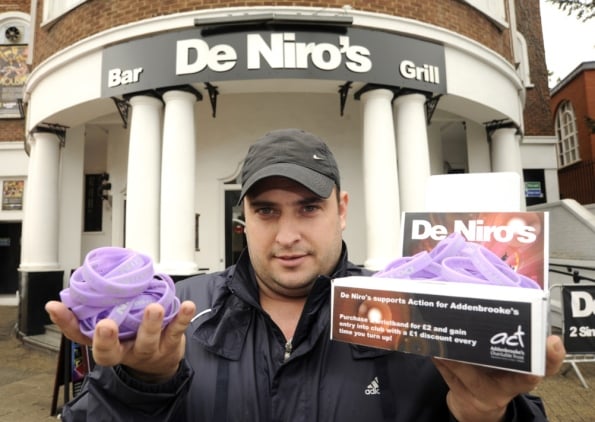
Robert De Niro’s Tribeca restaurant has been a regular host of celebrity-chef charity events — raising hundreds of thousands for causes from cancer research to disaster relief. The model is simple and replicable: a restaurant, a celebrity (or local hero), a clear cause, and branded merchandise that turns the event into ongoing visibility.
Below is how the De Niro fundraising model works, why it generates outsized results, and how any restaurant or cafe can run a similar program at any scale.
The De Niro Model in Three Steps
- Pick a single cause with a clear, emotionally resonant mission.
- Anchor the event with a known voice — celebrity, local mayor, prominent customer.
- Sell branded merchandise (wristbands, t-shirts, signed menus) tied to the event.
Why Restaurants Are the Right Venue
- Captive audience. Diners are already there; the fundraiser ask is low-friction.
- Built-in willingness to pay. A restaurant audience is in spending mode.
- Local visibility. A bricks-and-mortar venue can’t be ignored by the local community.
- Repeatable. The same restaurant can run quarterly fundraisers with different causes.
Recommended for you
Products related to this article
Hand-picked to go with what you just read.
Where Wristbands Fit
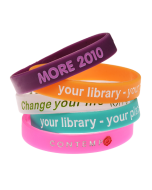
A custom debossed wristband co-branded with the restaurant and the cause turns a single fundraiser meal into months of visibility:
- The diner wears it home and for weeks afterwards.
- Friends ask “what’s that?” — the diner mentions the restaurant.
- Social-media photos include the band — free brand impressions.
- Repeat diners associate the restaurant with community causes.
A Replicable Small-Restaurant Model
- Pick a local cause the staff and customer base care about.
- Order 100–200 custom debossed bands ($300–$500).
- Run a fundraiser week with a percentage-of-sales pledge.
- Sell bands at $5–$10 alongside the meals.
- Publish a final total with a public thank-you to diners.
Beyond the Restaurant — Coffee Shops and Cafes
The same model works at smaller venues. A cafe can run a “coffee for a cause” week with branded coffee-cup bands as the daily reminder. Customers carry the band on their reusable cup for months — ongoing visibility for both the cafe and the cause.
The De Niro Lesson
Hospitality businesses are uniquely positioned to combine commerce and cause without it feeling forced. A clear charity, a branded keepsake, and a real meal create a sustainable model that compounds far better than one-off donation drives.
Frequently Asked Questions
How do restaurants run successful charity fundraisers?
Three patterns work especially well: (1) percentage-of-sales nights where a portion of every meal goes to charity, (2) branded merchandise sales with bands, t-shirts and keepsakes, (3) celebrity-chef events with paid tickets. Combine all three and a single restaurant evening can raise tens of thousands.
Why are wristbands a good fit for restaurant fundraising?
They’re cheap, recognisable and worn long after the meal. Diners get a physical takeaway tied to the cause — turning a one-night event into ongoing brand visibility for both the restaurant and the charity.
How can a small bistro or cafe replicate this model?
Order 100–200 custom debossed bands (~$300–$500). Sell at $5–$10 each during the fundraiser week. Pair with a percentage-of-sales pledge. Even small venues raise $1,000–$3,000 per fundraiser week.
Should the band carry the restaurant name or just the cause?
Both. Co-branding is the win. The band reminds diners they ate at the restaurant AND supported the cause — a double association that drives word-of-mouth far longer than any single advertising campaign.
How quickly can a restaurant get fundraiser bands ready?
Stock blank coloured bands ship within days. Custom debossed bands take 2–3 weeks plus shipping. Plan 4–6 weeks ahead of the fundraiser launch for a fully branded design.

Written by
Founder, Handband
Founder of Handband; specialist in custom wristbands and promotional products for events, schools, charities, and brands.
← Previous
Lance Armstrong Fell Hard, but Livestrong Should Rise: The Cause-Wristband Lesson (2026)
Next →
Why Handbands Are Great for Kids: 5 Reasons Parents & Schools Love Them (2026)
Comment(s)