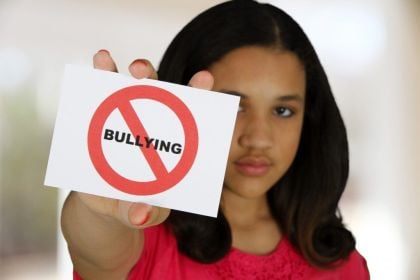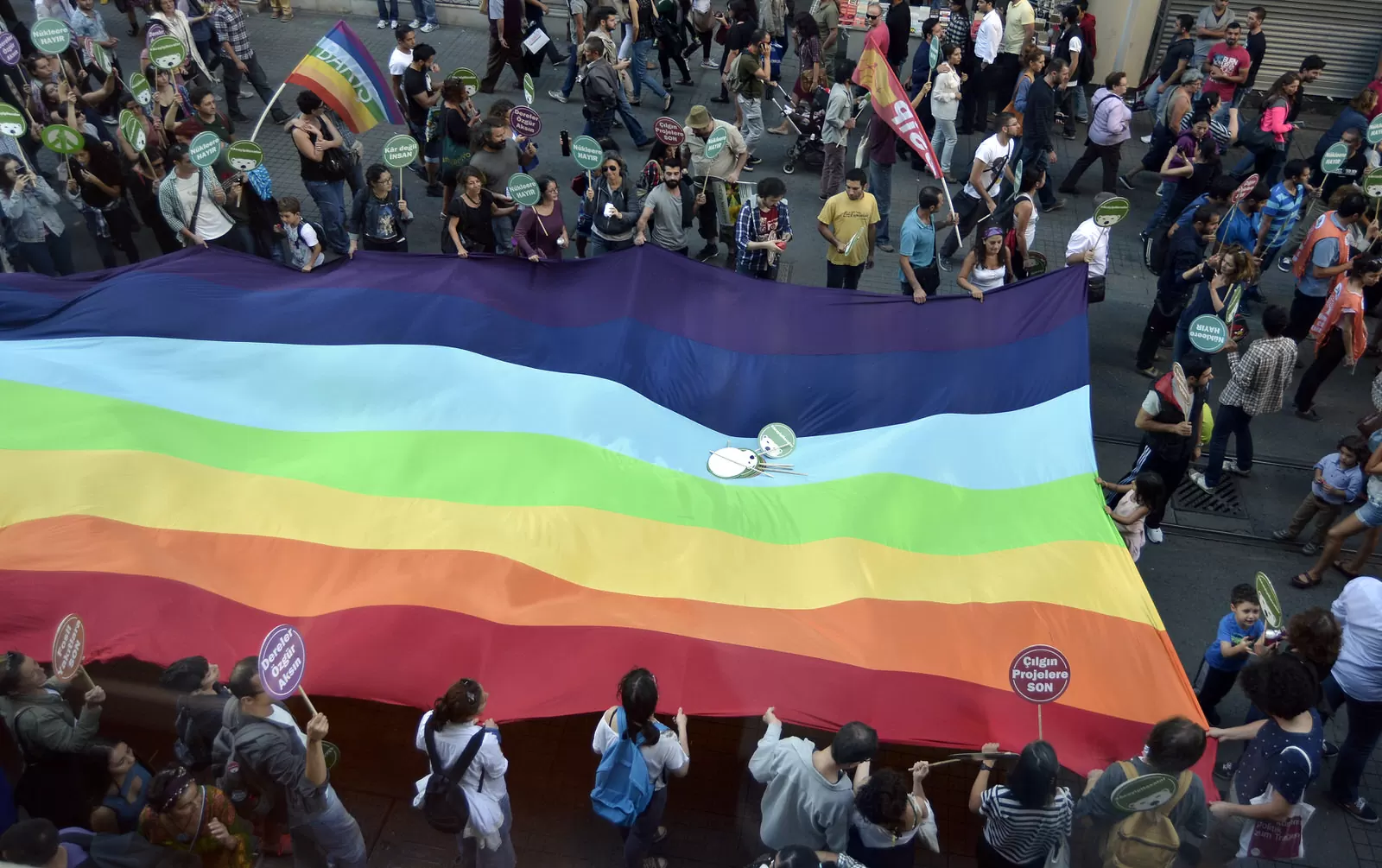
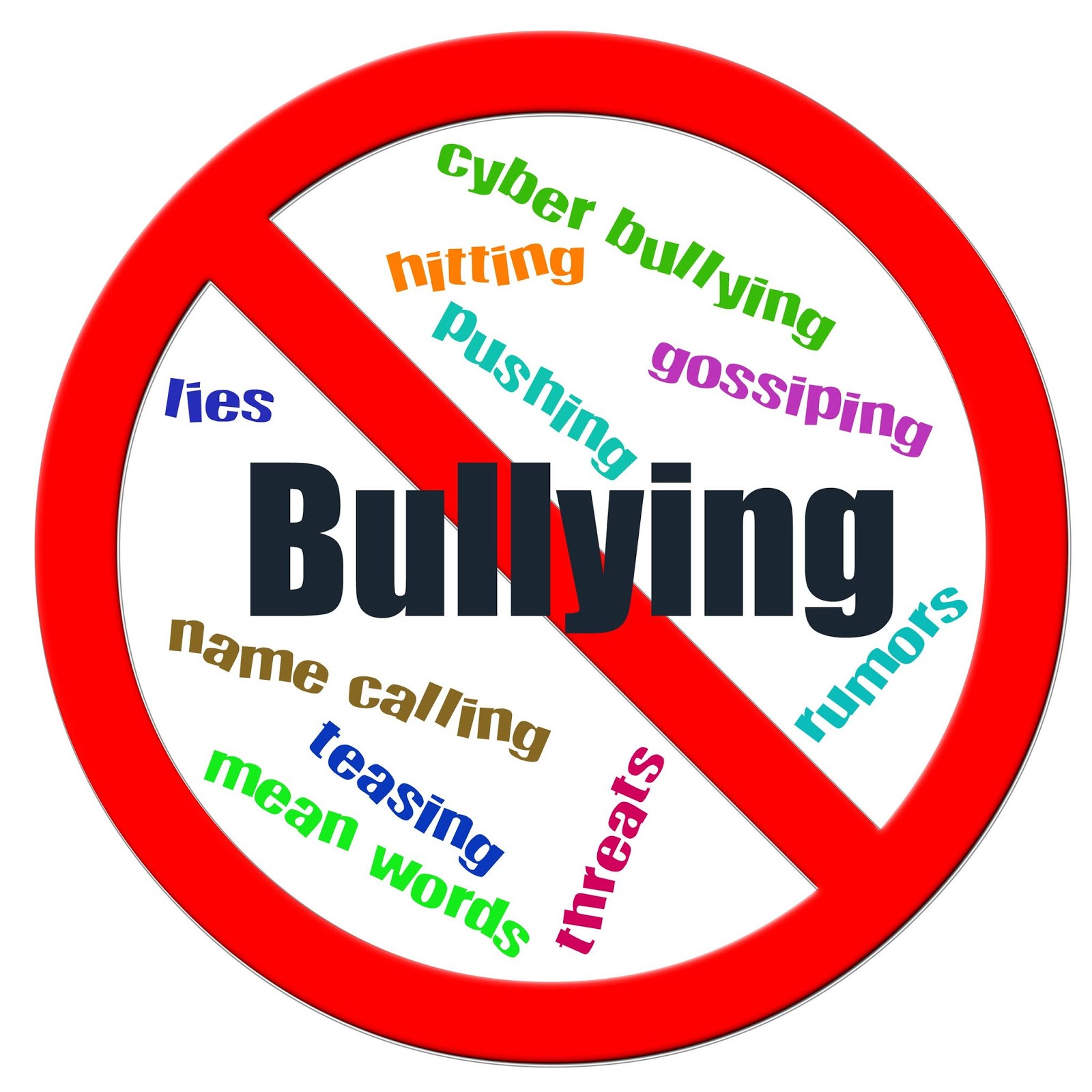
The National Day of Action Against Bullying and Violence is one of the most important moments in the school calendar. It is a public, dated commitment to a problem that costs students attendance, learning and mental health every year — and it gives schools a focal point for bringing students, staff and parents together against bullying.
Handband has supported the day with our Say No to Bullying wristbands and bulk school orders for years. Below is a guide to using wristbands effectively as part of your campaign — for primary schools, high schools and workplaces.
Why a Day of Action Matters
Bullying does not stop because of one day a year. But a national day of action does three things that quietly shift the long-term culture:
- It gives schools a built-in date to plan around — assemblies, lessons, fundraisers, parent communications.
- It signals to the bystander majority that the social norm is on their side.
- It anchors the conversation publicly — in newsletters, on social media, at the school gate.
Schools that mark the day well typically see fewer reported incidents in the following term. The day is a forcing function for work that schools should be doing anyway — updating policies, training staff, building peer-support networks.
The Role of Wristbands
A wristband is not a strategy. It’s a visible signal that the strategy exists. Used well, it does three things:
- Lets every student declare themselves against bullying without having to make a speech.
- Carries the message past the assembly — into the bus, the playground, the dinner table.
- Gives the silent majority a low-cost way to stand up.
Recommended for you
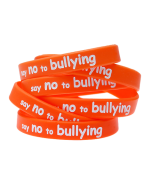
Products related to this article
Hand-picked to go with what you just read.
A Practical Day-of-Action Plan
- Six weeks out: order wristbands (allow time for proofing and shipping). Brief teaching staff on lesson content.
- Three weeks out: send parents a newsletter explaining the day — and how parents can support the conversation at home.
- Two weeks out: run year-level lessons on what bullying looks like (especially online and exclusion).
- The week of: whole-school assembly with student speakers; distribute wristbands; launch peer-led activities (videos, art walls, lunchtime stalls).
- The day: everyone wears their wristband; year groups complete a structured activity; close with reflection circles in the last lesson.
- The term after: keep the wristband visible. Refresh the conversation monthly. Track reported incidents.
Choosing the Right Wristband
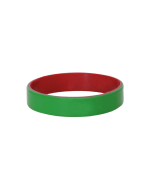
- Pre-printed Say No to Bullying: instant recognition; great for one-day events.
- Custom debossed: engrave your school’s anti-bullying pledge for a personalised feel.
- Blank coloured (orange or white): cheapest option for whole-school distribution.
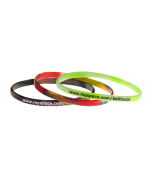
- Skinny styles: preferred by high-school students who don’t usually wear chunkier bands.
- Emotion bracelet: pairs naturally with bullying content because it gives kids language for how they’re feeling.
Workplaces and the Day of Action
Workplace bullying is just as harmful and increasingly publicised. Companies that mark the day usually combine training, a clear reporting channel update and a small physical signal — like a wristband — that staff wear for the day. The visibility from senior leaders matters most: when the CEO wears the band, the policy feels real.
Make It Count Past One Day
The single best predictor of whether a national-day campaign produces real change is whether the work continues afterwards. A wristband is the smallest, cheapest, most visible way to keep the message alive for weeks. Pair it with the harder, slower work — policy, training, peer support, reporting — and you’ll see the difference compound.
Order your anti-bullying wristbands early, and let the day be the start of something, not the end.
Frequently Asked Questions
What is the National Day of Action Against Bullying and Violence?
An annual day — held on the third Friday of March in Australia — that focuses schools and communities on taking a public stand against bullying and violence. It’s now part of a broader global movement, with similar dates marked across the UK, US, NZ and Europe.
Why use wristbands as part of an anti-bullying campaign?
Wristbands turn a one-day campaign into a daily, visible reminder. Students see them on their classmates’ wrists for weeks afterwards, which keeps the message alive and shifts the bystander culture — the silent majority who actually decide whether bullying continues.
How can a school start preparing for the next day of action?
Plan 4–6 weeks ahead: order wristbands in your school colours or the iconic orange Say No to Bullying band, brief teachers on the lesson plan, write a parent newsletter, and schedule a whole-school assembly with student speakers. The earlier you book, the smoother the day runs.
Are anti-bullying wristbands suitable for primary, high school, and workplaces?
Yes — with different framing. Primary kids respond to bright colours and stories. High schoolers prefer skinny styles with a clear hashtag. Workplaces use them alongside formal training and policy refreshers. Same product family; different positioning.
Can custom wristbands say something more specific than "Say No to Bullying"?
Absolutely. Many schools order custom debossed bands with their own slogan or anti-bullying pledge (e.g. "Stand up. Speak up." or "Always include"). It makes the band feel like the school’s own and reinforces the program internally.

Written by
Founder, Handband
Founder of Handband; specialist in custom wristbands and promotional products for events, schools, charities, and brands.
← Previous
Silicone Wristbands for Marketing: The Complete Branding Guide for Businesses
Next →
Silicone Wristbands That Won’t Break: A Durable Branding Tool (2026 Guide)
1 Comment(s)
Karen Schumacher
Mar 29, 2015 08:12
I reckon this a brilliant idea for fundraiseing at all schools across Australia