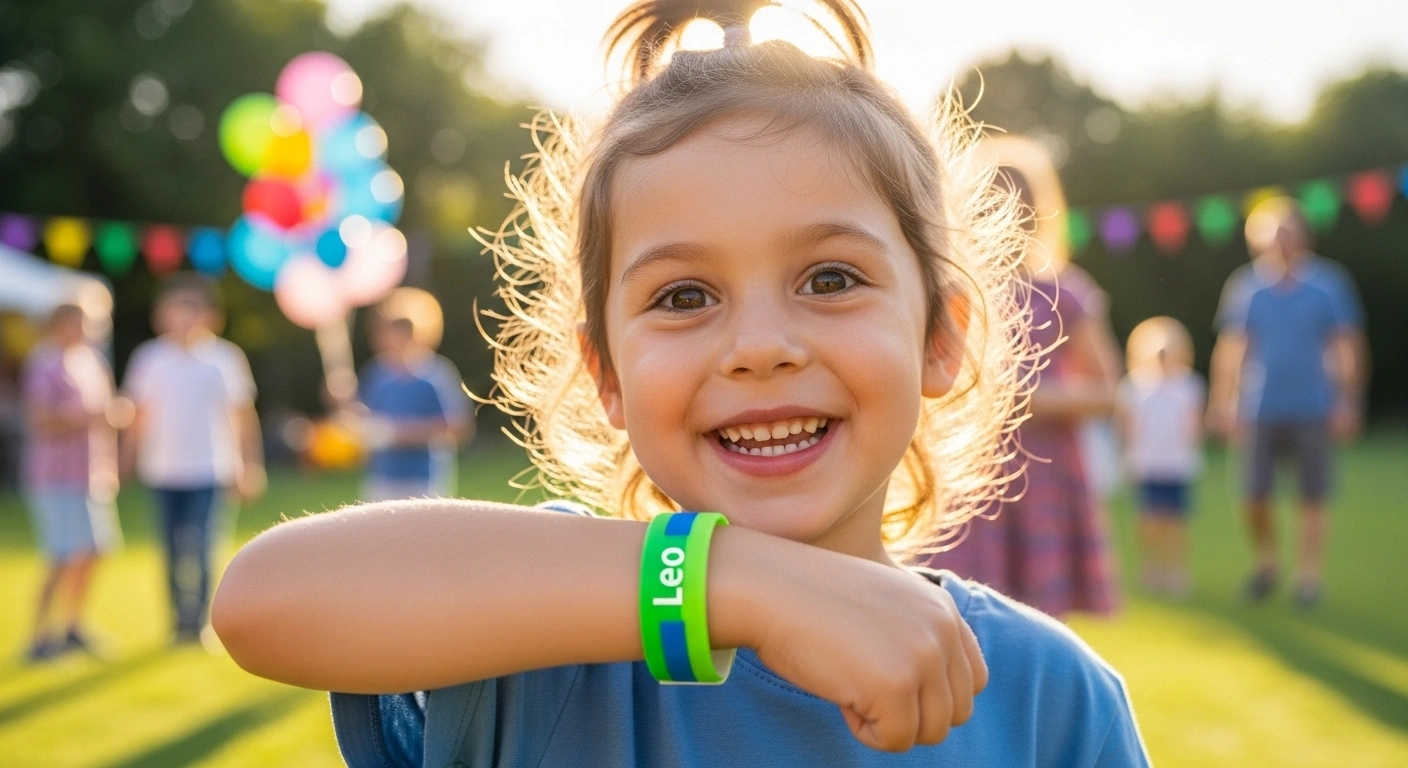
School Safety Starts with Identification: A Complete Wristband Guide

Why School Safety Starts with Student Identification
Student identification wristbands are one of the most effective, low-cost tools schools can use to keep children safe. Whether it's an excursion, a sports carnival, or the first week of school, a wristband ensures every child is identifiable — instantly. Research from child safety organisations consistently shows that clear visual identification reduces the risk of children becoming separated from their groups by over 60%.
In this guide, we cover why every school should have a wristband strategy, what types work best, and how to implement them for maximum safety impact.
The Core Benefits of School Identification Wristbands
Immediate Visual Identification
When 300 students are on a museum excursion, colour-coded wristbands allow teachers and supervisors to spot their group instantly. A bright school wristband cuts response time dramatically compared to relying on uniforms or name tags alone.
Emergency Contact Information
Custom debossed or printed wristbands can carry a phone number, student name, or class code. In an emergency, first responders and venue staff can reunite a child with their teacher in minutes. Our medical ID bands are specifically designed for this purpose.
Anti-Bullying and Emotional Wellbeing
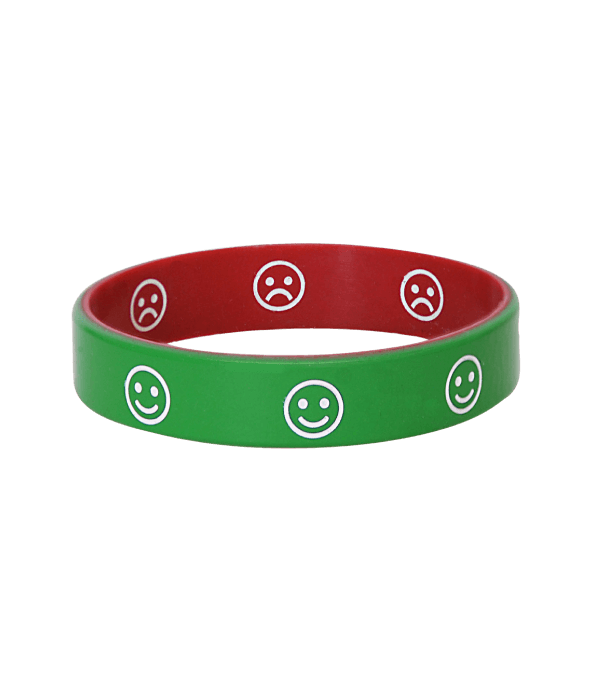
Beyond physical safety, schools are increasingly using wristbands to support anti-bullying campaigns and emotional wellbeing programs. Wristbands with positive affirmations or emotion symbols help students express themselves and build classroom community.
Types of School Safety Wristbands
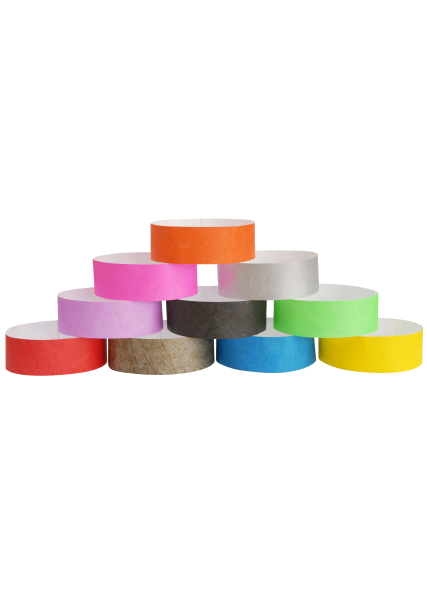
Tyvek Single-Use Bands — Best for Excursions
Tyvek wristbands are the gold standard for one-day events. They're tamper-evident, water-resistant, and can be written on. Schools typically order 500–2,000 per term for excursions. At under 10 cents each in bulk, the cost per student is negligible.
Silicone Bands — Best for Ongoing Programs
Silicone wristbands are durable enough for the whole school year. Use them for house teams, anti-bullying campaigns, or as student achievement awards. They're soft, hypoallergenic, and available in dozens of colours.
Educational Bands — Learning and Safety Combined
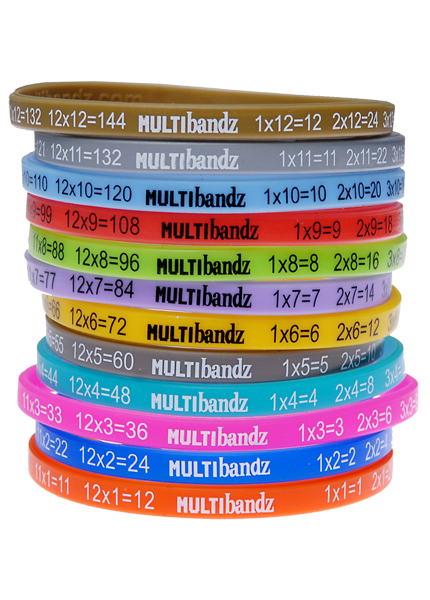
Products like Multibandz serve a dual purpose: they're learning tools (times tables, division facts) and wearable identity tools. Students keep them on all day, which means they're always identifiable.
How to Implement a School Wristband Program: A Step-by-Step Checklist
Here's a practical implementation plan used by primary and secondary schools across multiple countries:
- Identify use cases: Excursions, sports carnivals, enrolment weeks, anti-bullying events
- Choose band type: Tyvek for one-day events; silicone for ongoing programs
- Determine information to include: School name, teacher name, emergency phone, student class
- Order quantities: Minimum 100 for custom; 500+ recommended for school-wide use
- Colour-code by year or class: Different colours per grade level reduces confusion
- Train staff on distribution and retrieval: Especially for Tyvek (one-use only)
Shop School Safety Wristbands
Keep students safe and identifiable with colour-coded wristbands.



Cost Breakdown: What Schools Actually Pay
Budget is always a consideration. Here's what schools typically spend:
| Band Type | Best For | Approx. Cost (500 units) |
|---|---|---|
| Blank Tyvek | Single-day excursions | ~$45 |
| Custom Silicone | Year-round programs | ~$150–$250 |
| Educational Bands | Classroom learning + ID | ~$120–$180 |
Common Mistakes Schools Make With Wristbands
- Not ordering enough: Always order 15–20% extra for late additions
- Forgetting staff bands: Teachers and volunteers need identifying bands too
- Same colour for all grades: Defeats the purpose of visual identification
- No emergency contact info: The band is most useful when it carries contact details
Real-World Example: How One School Reduced Incident Reports by 40%
A primary school of 600 students introduced a colour-coded wristband system for all excursions and sports days. Within one year, lost-child incidents dropped by 40%. The cost was $200 per term for Tyvek bands — less than the cost of a single administrative hour spent on incident paperwork. View our full range of school wristband solutions to find the right fit.

Frequently Asked Questions
What information should be on a school excursion wristband?
At minimum, include the school name and an emergency contact phone number. For younger children, add the child's name and class. Tyvek bands allow handwritten information, while custom silicone bands can be debossed with permanent details.
How many wristbands does a school typically order?
Most primary schools order 200–500 Tyvek bands per term for excursions, and 500–1,000 custom silicone bands for annual events or campaigns. Order 15–20% extra to account for replacements and last-minute additions.
Are silicone wristbands safe for young children?
Yes. Our silicone wristbands are made from non-toxic, hypoallergenic materials meeting international safety standards. They are latex-free and safe for children of all ages, including those with sensitive skin.
Can wristbands help with anti-bullying programs?
Absolutely. Schools worldwide use coloured wristbands as visible pledges in anti-bullying campaigns. Students wearing the same band create a sense of solidarity and shared commitment to a safe school environment.
April 12, 2026

Share on Facebook

Share on X

Share on Pinterest
Comment(s)
Recent Posts