How to Improve Workplace Health and Safety: Wristbands for Identification, Zones, and Visitor Management

The Role of Visual Identification in Workplace Safety
Effective workplace health and safety depends on clear, instant communication. In busy environments — warehouses, construction sites, hospitals, manufacturing facilities, and large offices — visual identification tools allow staff, managers, and visitors to immediately understand who belongs where and what access rights they hold.
Colour-coded wristbands are one of the simplest, most cost-effective tools for achieving this. At a glance, a wristband communicates whether someone is a permanent staff member, a contractor, a visitor, or a person with restricted access. This reduces the risk of unauthorised entry, supports compliance with WHS obligations, and improves overall situational awareness on the floor.
Colour-Coded Wristband Systems for Access Control
A well-designed colour system might assign:
- Green: Full-access permanent staff
- Blue: Contractors with supervised access
- Red: Restricted zone — senior authorised personnel only
- Orange: Visitors requiring escort at all times
- White: Temporary or short-term workers
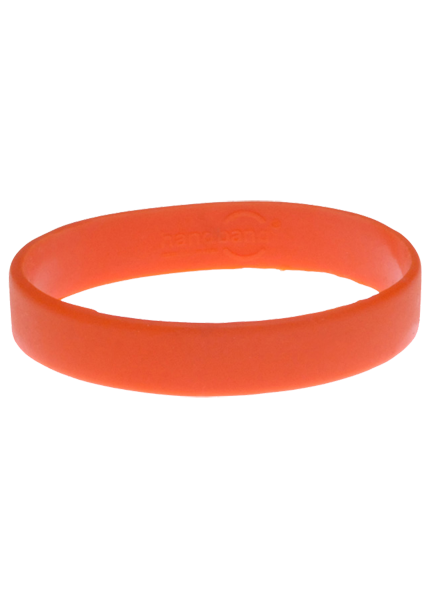
This system requires zero technology beyond the wristbands themselves, making it extremely reliable and maintenance-free. Blank silicone bands in each colour can be ordered in bulk and assigned at the reception desk as people arrive.



Visitor Management with Wristbands
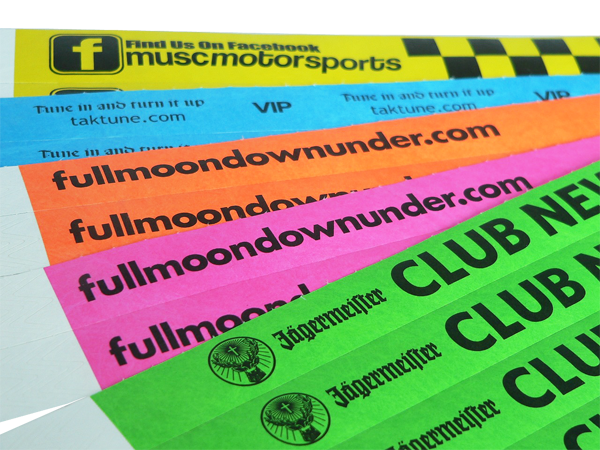
Managing visitors in a workplace setting requires balancing hospitality with security. Single-use Tyvek wristbands are ideal for visitor management: they are tamper-evident, inexpensive, and can be disposed of at the end of the visit. For higher-security environments, inkjet printable Tyvek wristbands allow you to print the visitor’s name, date, and access level directly onto the band for an auditable record.
Zone Management on Large Sites
Large industrial or construction sites often have multiple zones with different risk profiles — general access areas, PPE-required zones, and exclusion zones for heavy machinery or hazardous materials. Wristbands can be issued to match each zone’s access requirements, providing a visible signal to supervisors and safety officers at a glance.
Brightly coloured silicone bands are highly visible even in low-light or high-activity environments. Red wristbands for restricted zones, green wristbands for general access, and orange wristbands for visitors form an instantly readable system that requires no training beyond a simple colour chart at the entry point.
Custom Debossed Wristbands for Permanent Identification
For long-term workplace identification programmes, custom debossed wristbands offer a more durable and professional solution. These can feature the company name, department, employee number, or access tier pressed directly into the silicone — making them difficult to duplicate or transfer between individuals.
Wristbands in Healthcare and Medical Settings
In healthcare environments, patient identification wristbands are a fundamental safety tool. They ensure that the right treatments are administered to the right patients, that allergy alerts are prominently displayed, and that at-risk patients (such as those with fall risk or infection control requirements) are immediately identifiable to all staff.
Inkjet printable bands allow medical facilities to print patient details, barcode identifiers, and allergy alerts directly on the band, integrating seamlessly with patient management systems.
Implementing a Wristband-Based Safety System: Practical Steps
- Map your zones: Identify the different access levels and associated risks in your workplace.
- Assign colours: Choose a colour for each access tier and document the system.
- Order in bulk: Stock sufficient wristbands for all permanent staff, plus contingency for visitors and contractors.
- Brief all staff: Ensure everyone understands what each colour means and is empowered to challenge anyone not wearing the correct band.
- Review regularly: Update the system as your workforce, zones, or risk profile changes.
Frequently Asked Questions
How do colour-coded wristbands improve workplace safety?
Colour-coded wristbands provide instant visual identification of staff, contractors, and visitors. Supervisors and safety officers can immediately see whether someone has the correct clearance for a given area without stopping to verify paperwork.
What type of wristband is best for visitor management?
Single-use Tyvek wristbands are ideal — they are tamper-evident, inexpensive, and can be disposed of after each visit. Inkjet printable Tyvek allows you to print names and dates directly on the band for an auditable record.
Can wristbands be used in healthcare settings?
Yes — inkjet printable wristbands are widely used in hospitals and clinics for patient identification, allergy alerts, fall-risk flagging, and integration with barcode scanning systems.
How many colours do I need for a workplace wristband system?
Most workplaces can operate effectively with 3-5 colours. Common systems use green (full access), orange (visitor), red (restricted), and blue (contractor). The key is simplicity — too many colours reduces instant recognition.
April 12, 2026

Share on Facebook

Share on X

Share on Pinterest
Comment(s)