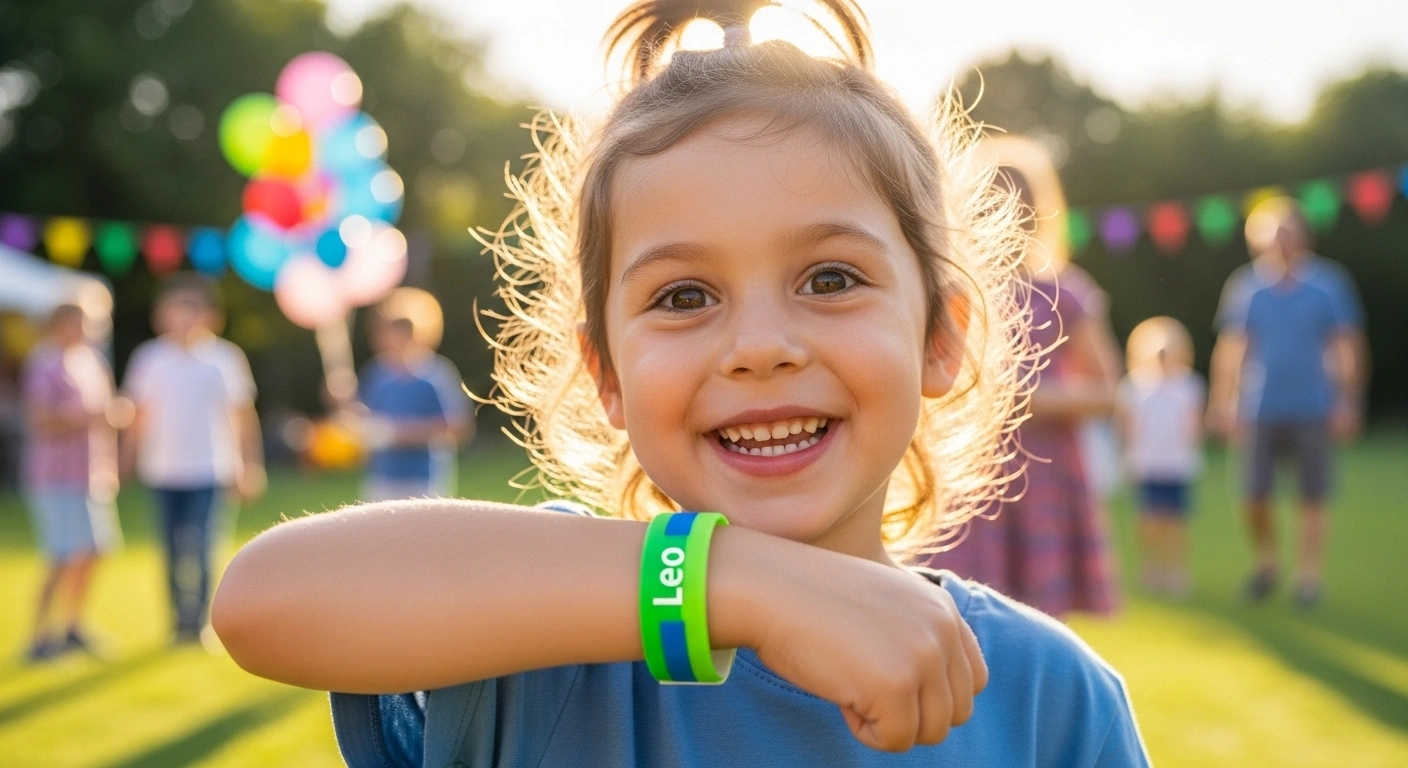
How to Help Your Child Express Their Feelings: Emotion Bracelets, Activities, and Communication Tips
Why Emotional Expression Matters for Children
Children experience the full spectrum of human emotions long before they have the vocabulary to describe them. Frustration, sadness, excitement, and anxiety are all present from infancy — but the ability to identify and communicate those feelings develops gradually throughout childhood. When children cannot express how they feel, those unspoken emotions often emerge as behaviour: tantrums, withdrawal, aggression, or refusal to engage.
Helping children build emotional literacy — the ability to identify, name, and express feelings — is one of the most impactful things a parent, teacher, or carer can do. Research consistently links emotional literacy with better mental health outcomes, stronger relationships, and improved academic performance.
Creating a Safe Space for Big Feelings
Validate Before You Problem-Solve
When a child is upset, the natural adult instinct is to fix the problem as quickly as possible. But jumping straight to solutions — "Just ignore them" or "It's not a big deal" — communicates to the child that their feelings are not valid. Before offering solutions, take a moment to acknowledge the feeling: "I can see you're really frustrated right now. That makes sense." This simple step builds trust and makes the child more receptive to guidance.
Use Feeling Words Daily
Normalise emotional vocabulary as part of everyday conversation. When you talk about your own feelings — "I'm feeling a bit anxious about this meeting today" — you model that feelings are normal, nameable things. Ask open questions throughout the day: "What was the best part of school today? Was there anything that felt hard?" Over time, this creates a household culture where feelings are discussed openly rather than pushed aside.
Colour-Coded Emotion Tools and Wristbands
Visual and tactile tools can bridge the gap for children who struggle to find words for their feelings. Colour-coded emotion systems — where colours represent different emotional states — give children a concrete, non-verbal way to communicate how they are feeling. This approach is widely used in schools, therapy settings, and at home.
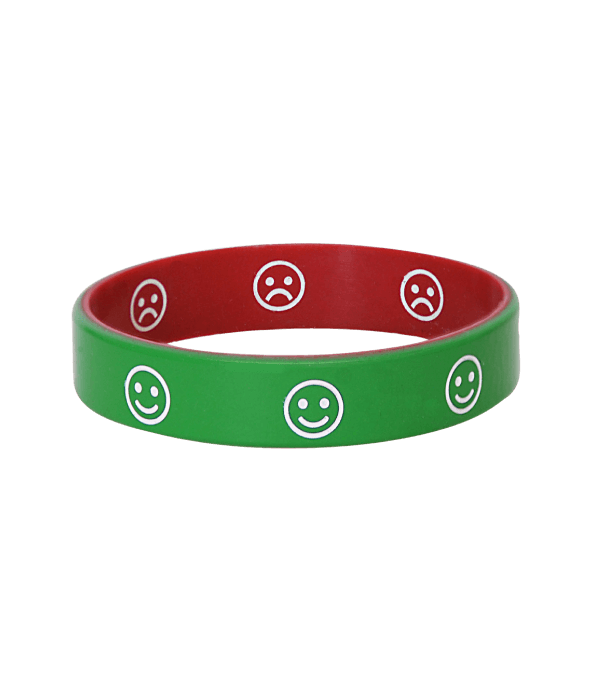
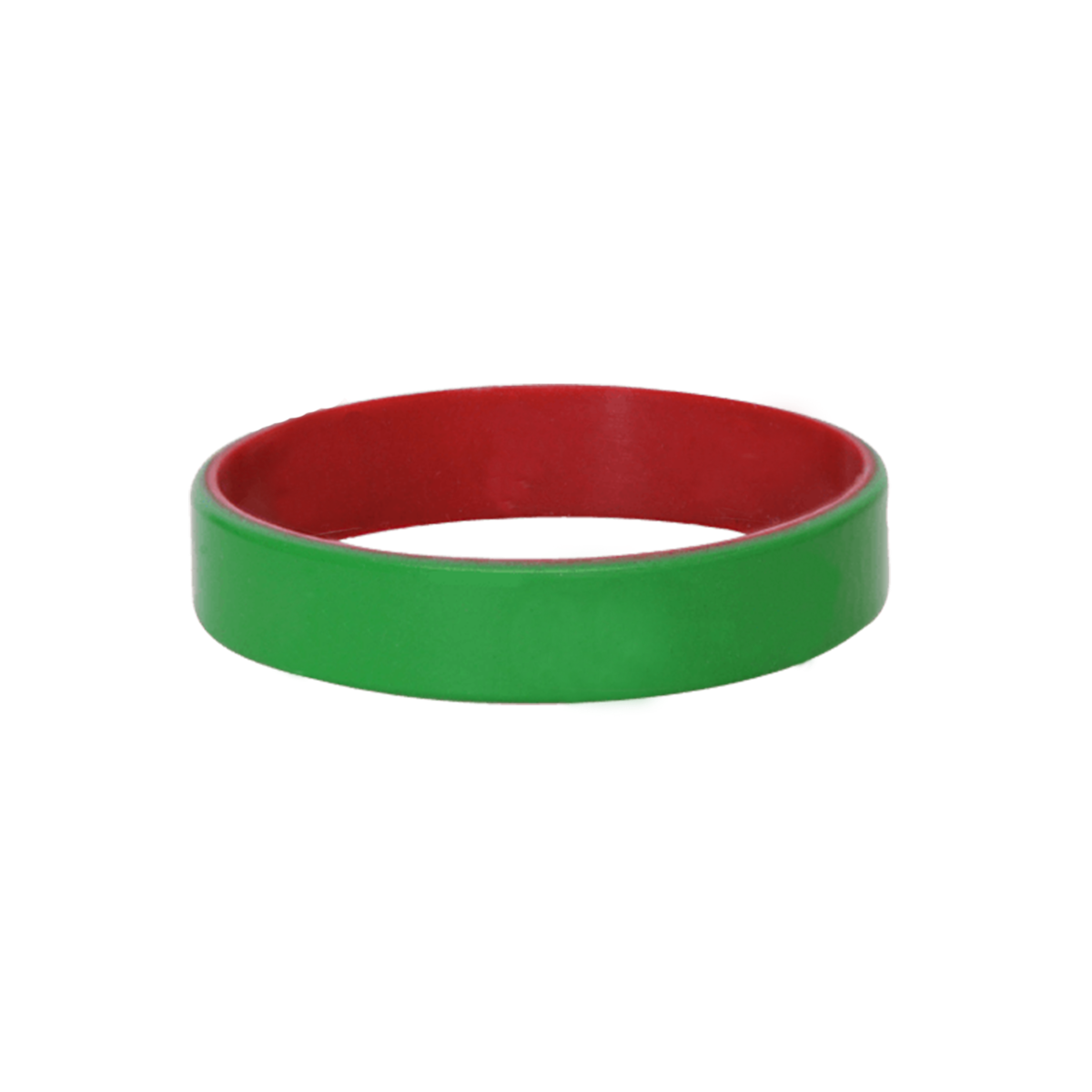
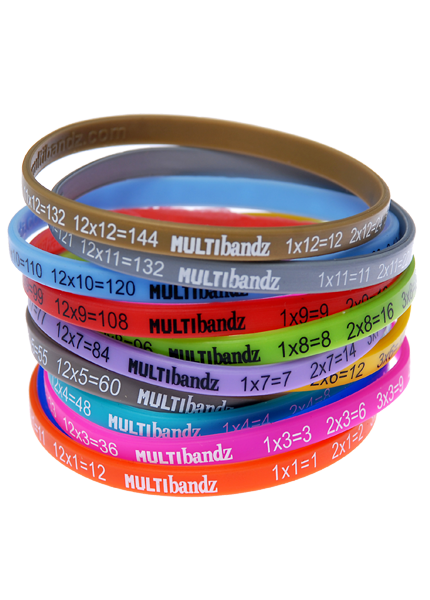
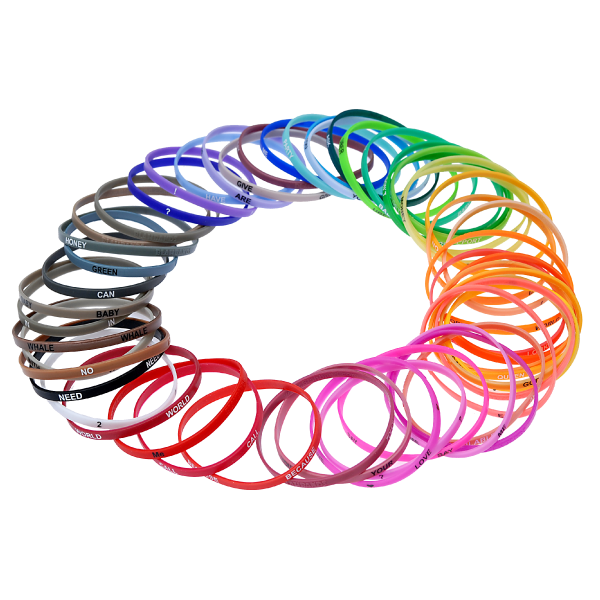
One practical implementation is an emotion wristband system. Children are given wristbands in different colours, each representing an emotional state. At check-in time (morning, after lunch, or before bed), children select the wristband that matches how they feel. The act of choosing a colour is often easier than finding words, particularly for younger children or those with limited verbal communication.
A simple colour system might be:
- Yellow — Happy/Excited
- Blue — Sad/Lonely
- Red — Angry/Frustrated
- Green — Calm/Content
- Orange — Worried/Nervous
Explore our range of school and wellbeing wristbands for colour-coded options that work well in classroom and home settings.
Activities That Build Emotional Literacy
Feelings Journals
Encourage older children (7+) to keep a simple feelings journal. This does not need to be a diary — it can be as simple as drawing a face or circling a colour each day. The act of recording feelings regularly builds self-awareness and gives children a private space to process experiences without judgement.
Emotion Check-In Rituals
Establish a daily check-in ritual — perhaps at dinner or before bed — where each family member shares one feeling from their day. Use a feelings chart or emotion wheel as a visual prompt. Children who see adults regularly naming their own feelings learn that emotional expression is a normal, healthy practice.
Role Play and Storytelling
Children often find it easier to discuss feelings through fictional characters than to talk directly about themselves. Use books, puppets, or imaginative play to explore emotional scenarios. Ask questions like: "How do you think the bear felt when his friend didn't invite him?" This builds empathy and emotional vocabulary in a lower-stakes environment.
Our wristband and wellbeing product range includes options specifically designed to support emotional learning in school and home environments.


Supporting Children in School Environments
Schools are increasingly adopting structured wellbeing programmes that include emotion check-ins, mindfulness activities, and visual communication tools. Teachers can use wristband systems as part of morning circle time, allowing students to signal their emotional state without drawing attention to themselves. This is particularly valuable for children who are shy, anxious, or have communication difficulties.
When schools and homes use consistent emotional vocabulary and tools, children experience a unified framework that reinforces learning across both environments. Partnering with your child's teacher to understand what language and systems are used at school allows you to mirror those at home.
When to Seek Additional Support
Most children go through phases of emotional dysregulation — it is a normal part of development. However, if a child consistently struggles to manage emotions in ways that significantly impact daily life, friendships, or learning, it may be worth seeking support from a child psychologist, school counsellor, or family therapist. Early intervention makes a substantial difference in long-term outcomes.
Signs that additional support may be beneficial include: persistent aggression, extreme anxiety about everyday situations, prolonged withdrawal from social interaction, or significant changes in sleep or appetite following an emotional event.
For more school wellbeing resources, explore our schools range.
Frequently Asked Questions
April 12, 2026

Share on Facebook

Share on X

Share on Pinterest
Comment(s)
Recent Posts