Sleep is the foundation everything else sits on. Adults who consistently sleep less than 7 hours have significantly higher rates of cardiovascular disease, depression, type 2 diabetes and early death. Schools full of sleep-deprived teenagers report worse grades, more behavioural issues and higher mental-health crises. The fix isn’t a new app — it’s the boring habits that already work, paired with visible cues that make them stick.
Below is how families, schools and individuals use Handband wristbands as a daily nudge for better sleep — and how to design one that doesn’t end up in a drawer.
The Habit-Stacking Logic
Behaviour change research consistently finds that simple visible cues triple habit-formation success rates. The wristband is in your field of view every time you check the time, fill the kettle or open the fridge. A daily reminder of “Sleep First” or “Lights Off 10:30” nudges the next decision better than willpower alone.
Real-World Patterns That Work
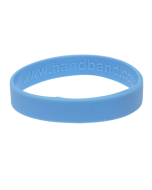
- Family sleep band. A pale-blue band for “Lights Off 9pm” (kids) and 10pm (parents).
- Weekly streak system. Earn a band each week of meeting your sleep target.
- School wind-down program. High-school class earns bands for hitting weekly bedtime targets.
- Personal goal band. Engrave your own “Sleep First” or “[Year] Goals” reminder.
Recommended for you
Products related to this article
Hand-picked to go with what you just read.
Designing a Sleep-Habit Wristband
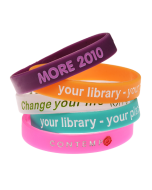
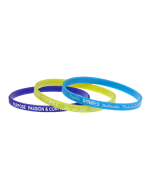
- Keep the slogan under 4 words. Long messages are invisible at glance distance.
- Pick a calming colour. Pale blue, sage green, soft white work better than bright neon.
- Use debossed engraving. Engraved text never fades.
- Pair with a written goal. The band reinforces the goal — it doesn’t replace it.
Pair the Band With Real Sleep Hygiene
- Same wake time every day, weekends included.
- No screens for the last 30 minutes before bed.
- Cool, dark room.
- Caffeine cutoff at 2pm.
- 5–10 minute wind-down ritual: stretching, breathing, reading.
A Cheap Cue, Compounding Effect
A wristband is the cheapest, longest-lasting habit cue available. Order one, write a clear sleep goal, and let the band do the daily reminding for the next 12 months. The compounding effect on health, mood and productivity is one of the highest-ROI behaviour changes you can make.
Frequently Asked Questions
Can a wristband actually help me sleep better?
On its own, no. But used as a daily reminder, it works the same way habit-tracking apps do — a visible cue that nudges the next decision. Pair the band with a structured habit (a fixed bedtime, a written wind-down routine, no screens after 9pm) and the cue compounds the behaviour change.
What sleep slogan would work on a wristband?
Short and personal. Examples: “Sleep First”, “Lights Off 10:30”, “No Phone in Bed”, “Wind Down”. Keep it under 4 words. Engraved (debossed) text doesn’t fade.
Are bands a good fit for whole-family sleep programs?
Yes. A matching coloured band per family member with a short shared slogan turns better-sleep into a small daily team commitment. Kids respond to wearing the same band as their parents.
How can schools use wristbands for healthy-sleep programs?
Pair Multibandz times-tables learning bands with a sleep-hygiene colour. Award a band each week for kids who hit their bedtime target. Pair with a parent newsletter explaining the program at home.
Are silicone wristbands comfortable to wear at night?
Yes. Quality silicone is hypoallergenic, latex-free and lightweight. Most wearers forget they’re wearing them — including overnight. Skinny styles are especially comfortable for sleep wear.

Written by
Founder, Handband
Founder of Handband; specialist in custom wristbands and promotional products for events, schools, charities, and brands.
← Previous
Handbands & Hot Marketing Ideas: The Cheapest Cost-Per-Impression Tool (2026)
Next →
Handbands and Health News: Turning Awareness Into Action (2026 Calendar)
Comment(s)